Bakuchiol
A plant-derived retinol alternative with a solid head-to-head trial against retinol for photoaging, plus the practical advantage of daytime and pregnancy-friendly use for many people.
At a glance
What Bakuchiol does for skin, and how to read the practical safety signals.
- Retinol-like results: Randomised trial showed comparable improvements in fine lines and pigmentation vs retinol.
- Gentler onboarding: Same study found less scaling and stinging than retinol over 12 weeks.
- Daytime-friendly: Unlike retinoids, bakuchiol does not carry the same photosensitivity baggage.
- Type
- Botanical active
- Rating
- Pregnancy
- Considered safe
- Comedogenic rating
- 0/5 (Won't clog pores)
- Vegan
- Yes
- Suited skin types
- All skin types
On this page
The short answer
Bakuchiol is a plant-derived compound — usually from Psoralea corylifolia — that skincare marketing loves to call "natural retinol." The science is more interesting than the slogan: gene-expression work shows it hits some of the same renewal pathways as retinoids, and a proper randomised trial put it head-to-head with retinol on real faces.
It is not retinol wearing a hemp T-shirt. But for people who want retinoid-like improvements in fine lines and uneven tone without the peeling audition, bakuchiol is one of the few alternatives with clinical data behind it.
I reach for it in conversations where someone wants renewal but retinol keeps winning the battle against their skin barrier — or where pregnancy makes vitamin A derivatives a hard no.
What the evidence actually shows
Head-to-head with retinol. Dhaliwal's 2019 double-blind study assigned 44 participants to twice-daily 0.5% bakuchiol or 0.5% retinol for 12 weeks[1]. Both groups improved wrinkle severity and hyperpigmentation. Bakuchiol caused less scaling and stinging. That is the study everyone cites, and for once the hype is proportional to the data.
Mechanism. Chaudhuri and Bojanowski's work used gene-expression profiling to show bakuchiol upregulates collagen-related and retinoid-pathway genes without being a vitamin A derivative[2]. Translation: it nudges skin toward renewal through overlapping biology, not by converting into retinoic acid in your skin.
What it is not. Bakuchiol has a thinner evidence base for acne than retinol or salicylic acid. For signs of ageing and mild pigmentation, the case is stronger. For deep cystic breakouts, it is a supporting act, not the headline.
How to use it
- Concentration: Look for 0.5–1% in leave-on products. Lower in rinse-off formulas rarely does much.
- When: Morning or night. Unlike retinoids, daytime use is not automatically ruled out — though SPF still matters for pigmentation goals.
- Frequency: Once or twice daily if your skin tolerates it. Bakuchiol is generally easier to introduce than retinol, but "generally" is doing some work; patch test anyway.
- Application: After cleansing, before moisturiser. A few drops or a pea-sized amount depending on the formula.
Give it at least eight to twelve weeks before you declare victory or defeat. Renewal ingredients are marathon runners.
Where it fits in a routine
Bakuchiol is the rare active that does not force you to reorganise your entire bathroom:
- Niacinamide: stacks cleanly for barrier support and uneven tone.
- Vitamin C: morning antioxidant, bakuchiol at night — or both AM if your skin likes it.
- Allantoin and hyaluronic acid: sensible comfort layers around any active.
- Retinol: pick one renewal ingredient as your main act unless you are deliberately transitioning between them.
If your routine already has five serums and a mood board, bakuchiol is probably not what you are missing. Simplicity first.
When it won't help
Bakuchiol will not replace prescription retinoids for stubborn acne, melasma management, or advanced photoaging that needs tretinoin-level intervention. It will not fix a routine built on harsh cleansing, skipping moisturiser, or treating SPF as optional.
It is also not automatically better than retinol because it is plant-derived. "Natural" is a sourcing story, not a performance guarantee.
For sensitive skin that flares from almost everything, patch test and introduce slowly — bakuchiol is gentler on average, not gentle for everyone.
My goal with this guide was to gather the useful science on bakuchiol in one place, so you can stop hunting for the next clever fix and do the simple, effective things your skin actually needs.
That is also why I made the Danish Skin Care Kit: a calm routine built around documented ingredients, and one that has helped more than 100,000 people with problem skin. If even the smallest question is still nagging you, send me an email at info@danishskincare.com.
Common questions
Is bakuchiol as effective as retinol?
For photoaging signs like fine lines and hyperpigmentation, Dhaliwal's 12-week trial found comparable improvement between 0.5% bakuchiol and 0.5% retinol. Retinol still has a much longer evidence history for acne and deep photoaging, so 'equal' depends on what you are treating.
Can I use bakuchiol with retinol?
You usually do not need both. They work on overlapping pathways. If you are transitioning off retinol, bakuchiol can bridge the gap. Running both at full strength is more likely to irritate than to double your results.
Can I use bakuchiol during pregnancy?
Bakuchiol is commonly recommended as a retinol alternative in pregnancy because it is not a vitamin A derivative. Still discuss any active with your clinician, especially if you are treating a specific condition.
Reading a real label?
Scan a product to see how it is formulated
Upload a photo of the ingredient list and get a quick ingredient-by-ingredient read against the evidence-led database.
I recommend these products

Our retinol moisturiser is the retinoid path. Bakuchiol is the swap-in when retinol tolerance or pregnancy rules it out.

Niacinamide and azelaic acid cover overlapping redness and uneven tone goals without adding another retinoid.

Start with the Kit if you want a simple baseline routine before adding a bakuchiol serum on top.
Skin conditions it actively helps with
Where the published evidence puts Bakuchiol on the short list of active ingredients worth reaching for.
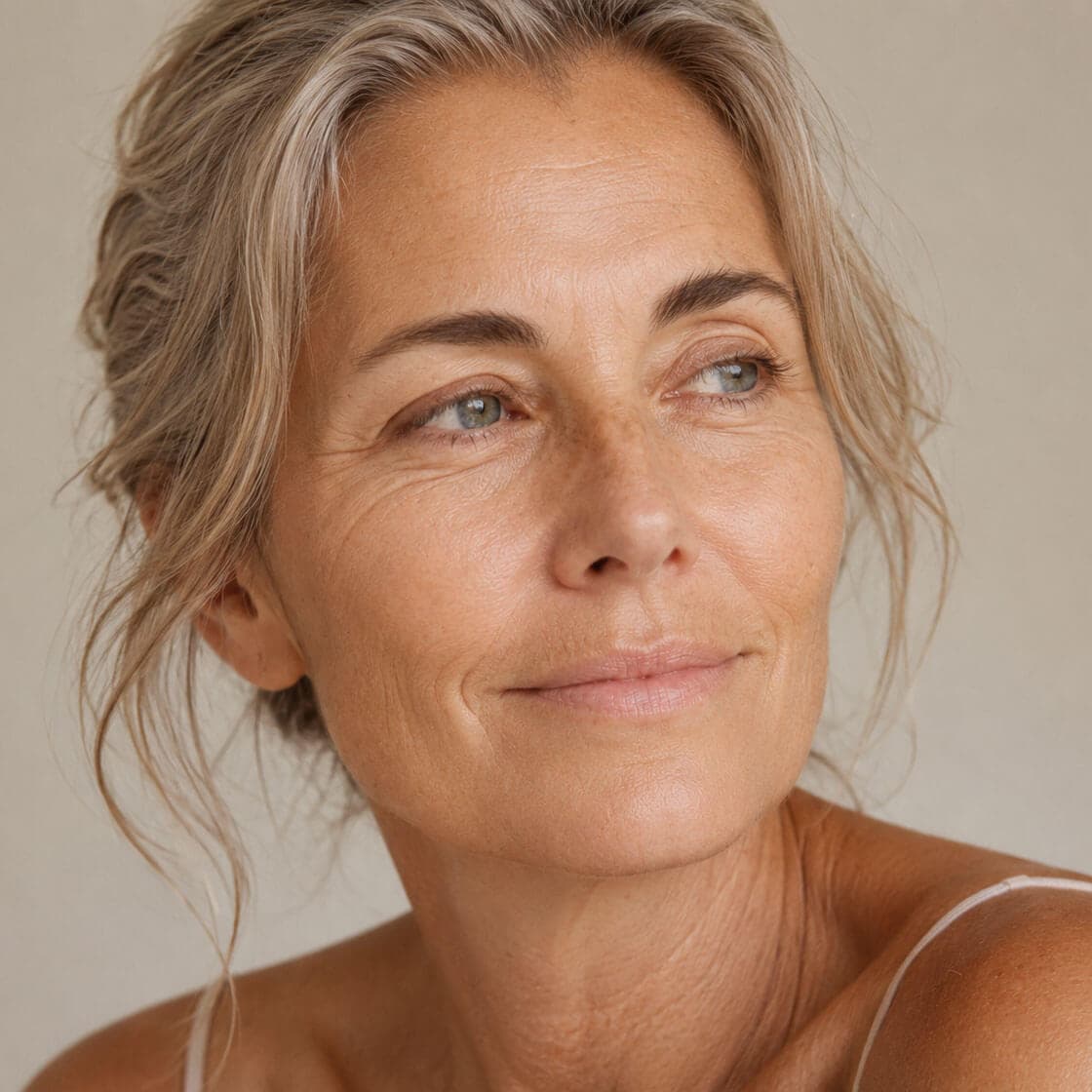
Signs of ageing
Wrinkles, sallowness, slack tone, and uneven pigment all share the same drivers. Here's the unglamorous routine that genuinely slows them.
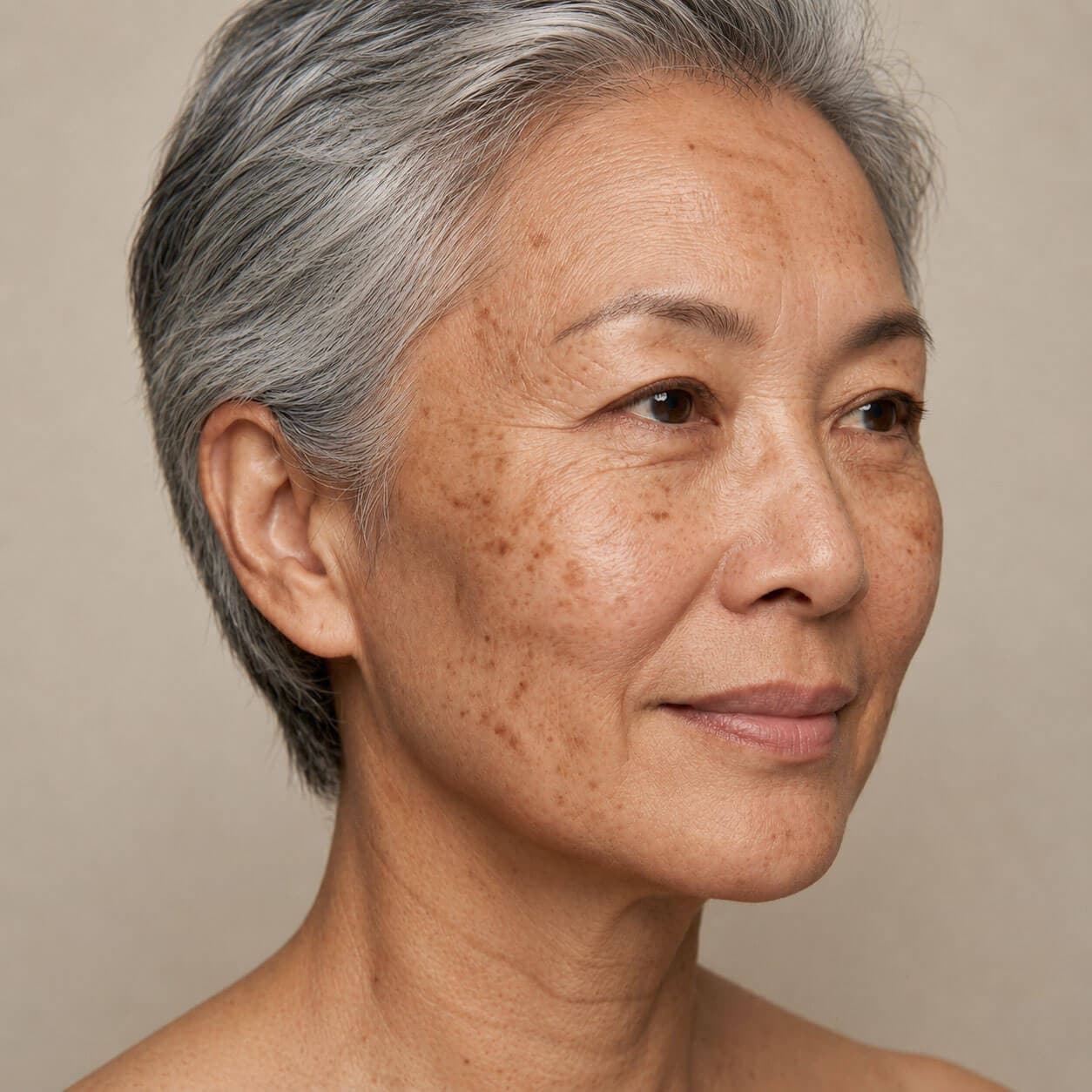
Pigmentation
Pigmentation is one of the most-asked-about, most-misunderstood skin concerns. Here's what's happening in your skin and the slow, evidence-led routine that actually fades it.
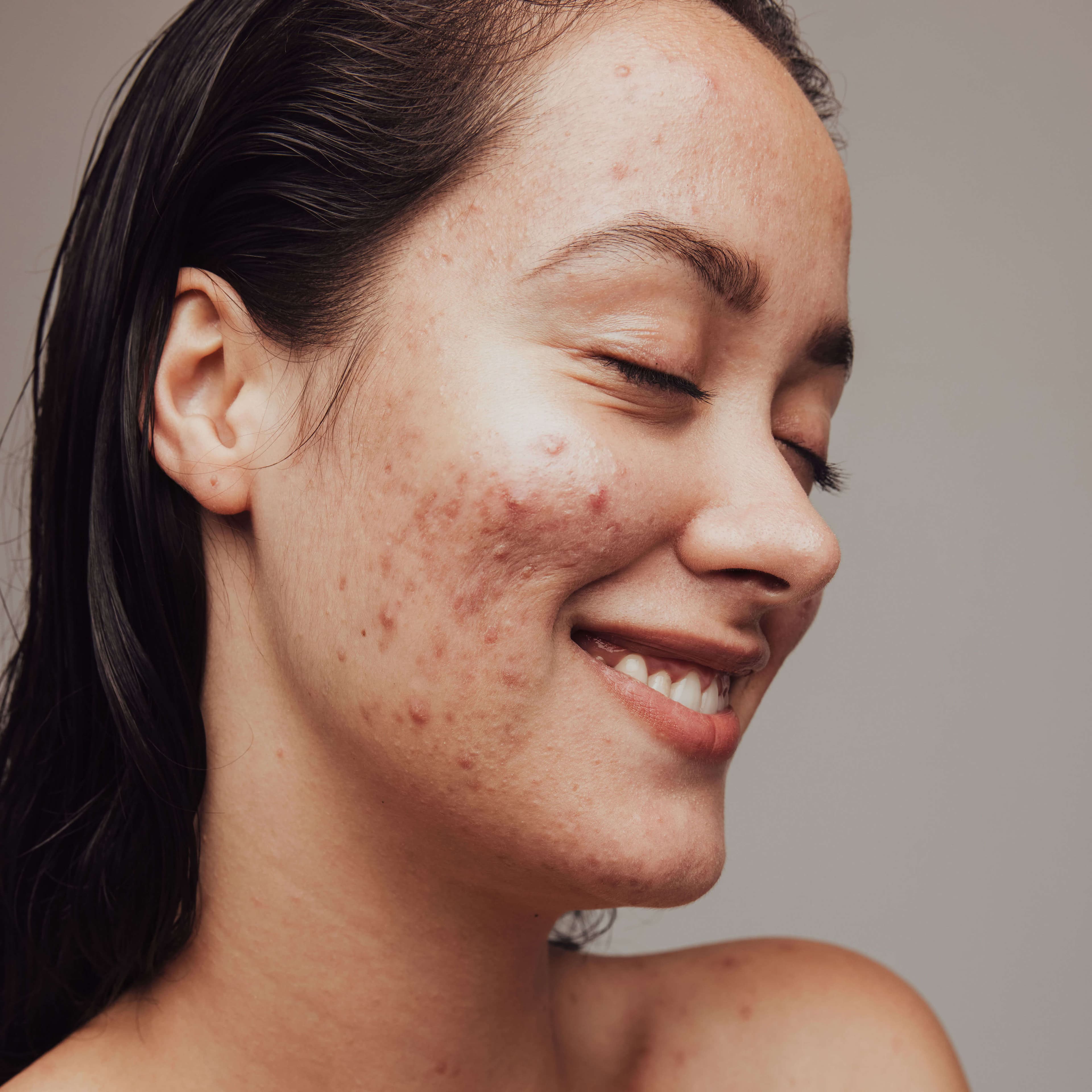
Acne and blemishes
A clear-headed guide to acne: what's actually happening in your skin, what the evidence says works, and a simple routine that doesn't make things worse.
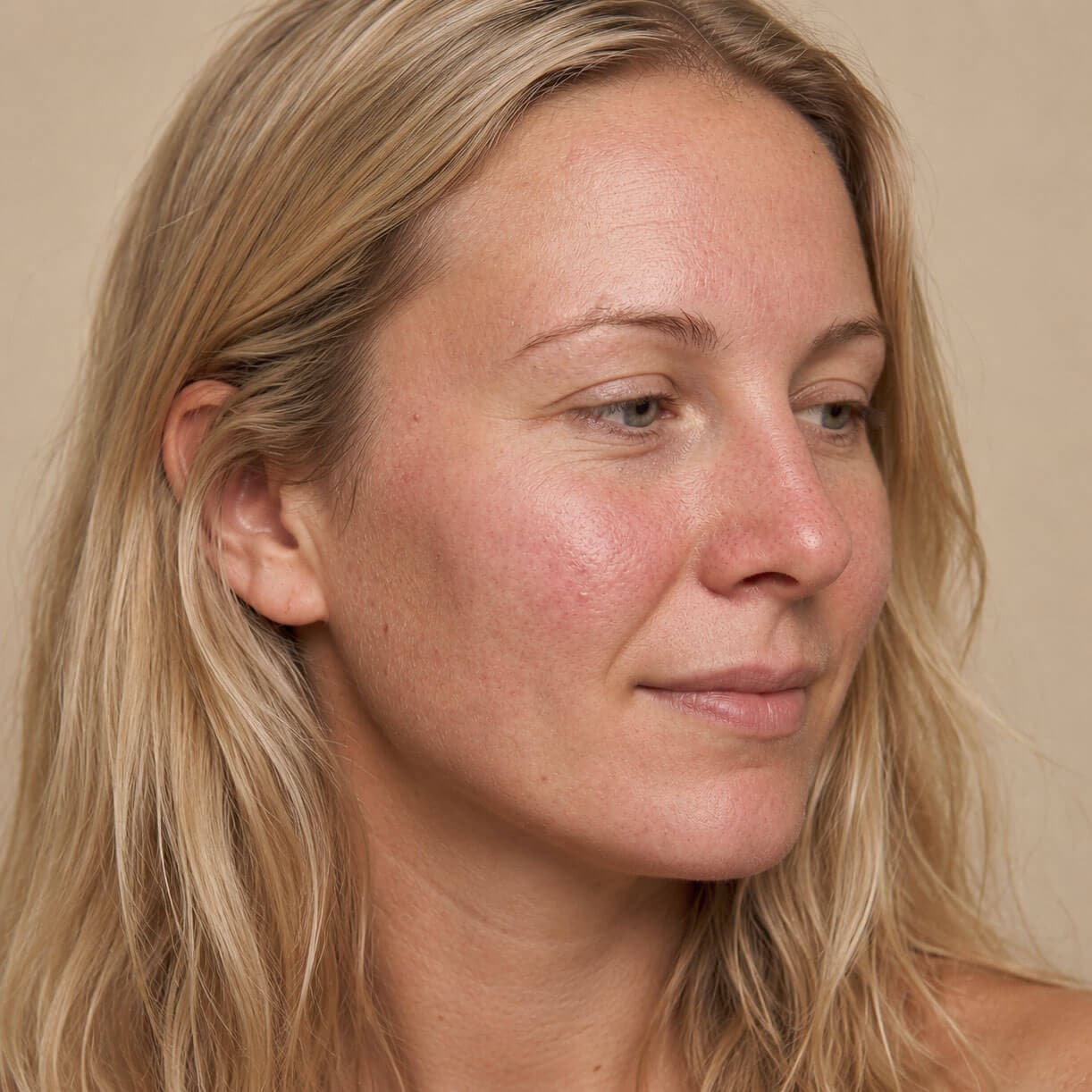
Sensitive skin
"Sensitive" is a symptom, not a diagnosis. Learn what drives reactive skin, the routine that calms it, and what to leave out.
Related ingredients
Citations
- Dhaliwal S, et al. Prospective, randomized, double-blind assessment of topical bakuchiol and retinol for facial photoageing. Br J Dermatol. 2019;180(2):289–296. — PMID 29947134
- Chaudhuri RK, Bojanowski K. Bakuchiol: a retinol-like functional compound revealed by gene expression profiling and clinically proven to have anti-aging effects. Int J Cosmet Sci. 2014;36(3):221–230. — PMID 24471735