
Milk and acne: what the evidence really says
Milk can be linked with acne for some people, especially acne-prone teenagers and young adults, but it is not a universal trigger. Here is the calm way to test it.
On this page
Milk is one of those acne topics where people become very certain very quickly.
One person removes milk and swears their skin changed in two weeks. Another drinks milk every day and has no problem. Someone else removes every dairy product, then also changes cleanser, starts three supplements, sleeps better, and gives the oat latte all the credit.
Skin rarely gives us such clean drama.
When I struggled with acne, I wanted one guilty thing. One food. One ingredient. One tiny villain I could remove and finally stop thinking about my skin. After helping more than 100,000 people with problem skin, I have learned that acne usually works more like a stack: hormones, oil, clogged follicles, irritation, stress, routine, and sometimes diet.
Milk can be part of that stack for some people. If you want the broader skin picture first, start with the acne and blemishes guide.
It is not proof that dairy is bad. It is not proof that you must become afraid of breakfast.
The short answer
Milk may worsen acne in some acne-prone people, especially teenagers and young adults eating a Western-style diet.
A 2022 systematic review on diet and acne[1] found that high glycemic load has the clearest diet signal, while dairy evidence is more mixed and depends on the population studied. A large 2018 dairy meta-analysis[2] found higher odds of acne among children, adolescents, and young adults who consumed dairy, including milk, but the authors also warned about heterogeneity and bias across studies.
That means the practical takeaway is not "milk causes acne for everyone."
The practical takeaway is:
- If your acne is stubborn and you drink milk often, milk is reasonable to test.
- If you already know milk does nothing to your skin, do not turn it into a fear.
- If your routine is chaotic, fix the routine first. Otherwise every diet test becomes blurry.
Why milk might matter
Milk is biologically active food. That is not scary. It is simply true.
Researchers often discuss milk in acne because of insulin and insulin-like growth factor 1, usually shortened to IGF-1. These signals can affect oil production, follicle behaviour, and inflammatory pathways involved in acne.
A 2018 meta-analysis focused specifically on milk[3] found a positive association between milk consumption and acne risk, with skim milk showing a slightly stronger association than full-fat milk in subgroup analysis.
That skim-milk detail surprises people. The internet often assumes fat is the problem. Acne biology is rarely that neat.
How to test milk without becoming weird about food
If milk seems suspicious, run a boring test. Boring is good. Boring gives cleaner answers.
For 6 to 8 weeks:
- Remove milk consistently.
- Keep cheese, yogurt, sugar, supplements, and skincare stable if you can.
- Take one photo each week in the same light.
- Track new inflamed pimples, not every tiny pore.
- Reintroduce milk afterward and watch whether the same pattern returns.
If your skin clearly improves, then flares again when milk returns, you have useful personal data.
If nothing changes, milk was probably not your main lever. That is also useful. You get to stop negotiating with your coffee.
Do you need to avoid all dairy?
Not automatically.
Milk has more consistent acne association than some other dairy categories, but the evidence is still imperfect. Yogurt and cheese do not behave exactly like milk in every study. Fermented foods, sugar and acne patterns, genetics, age, hormones, and baseline acne severity all matter.
So I would not start with a dramatic "no dairy ever" rule.
Start with the thing you use most often. If that is milk in coffee, cereal, protein shakes, or smoothies, test that first. Keep it simple enough that you can repeat it.
The bottom line
Milk can be an acne trigger for some people. It is not a moral failure, a poison, or a universal enemy.
If acne keeps flaring despite a calm routine, milk is worth testing for 6 to 8 weeks. If the question is really protein shakes, use the whey protein and acne guide instead. Do it like a skincare experiment, not a panic diet.
Your skin needs clarity. Your life still needs breakfast.
People also ask
Can milk cause acne?
Milk is associated with acne in several observational studies, especially in teenagers and young adults, but that does not prove it causes acne for every person. The useful question is whether your skin has a repeatable pattern with milk.
Is skim milk worse for acne than whole milk?
Some studies find a stronger association with skim or low-fat milk than full-fat milk. The reason is not fully settled, so it is better to test your own pattern than assume one type is automatically safe.
How long should I stop milk to test acne?
Six to eight weeks is a practical test window. Keep your skincare routine stable, avoid changing five diet habits at once, then reintroduce milk and watch whether breakouts reliably return.
Keep the routine steady while you test milk
If you change milk, sugar, supplements, cleanser, treatment, moisturiser, and sleep in the same week, your skin cannot tell you anything useful. I would keep the Danish Skin Care Kit steady first, then test milk calmly if the pattern keeps pointing there.

A simple acne-prone skin routine to keep steady while you test whether milk affects your breakouts.
Full transparency: Danish Skin Care is my own company — I formulated these products and earn from every sale. That's exactly why I only recommend them where they genuinely fit the guide you just read.
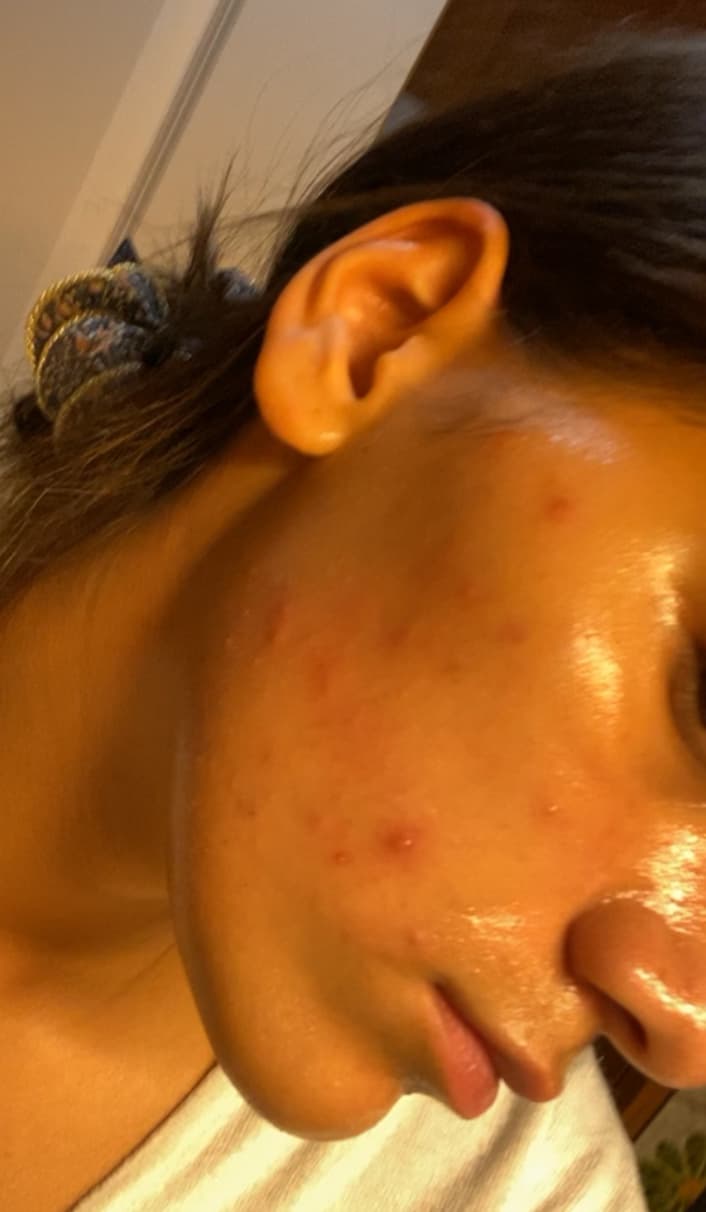
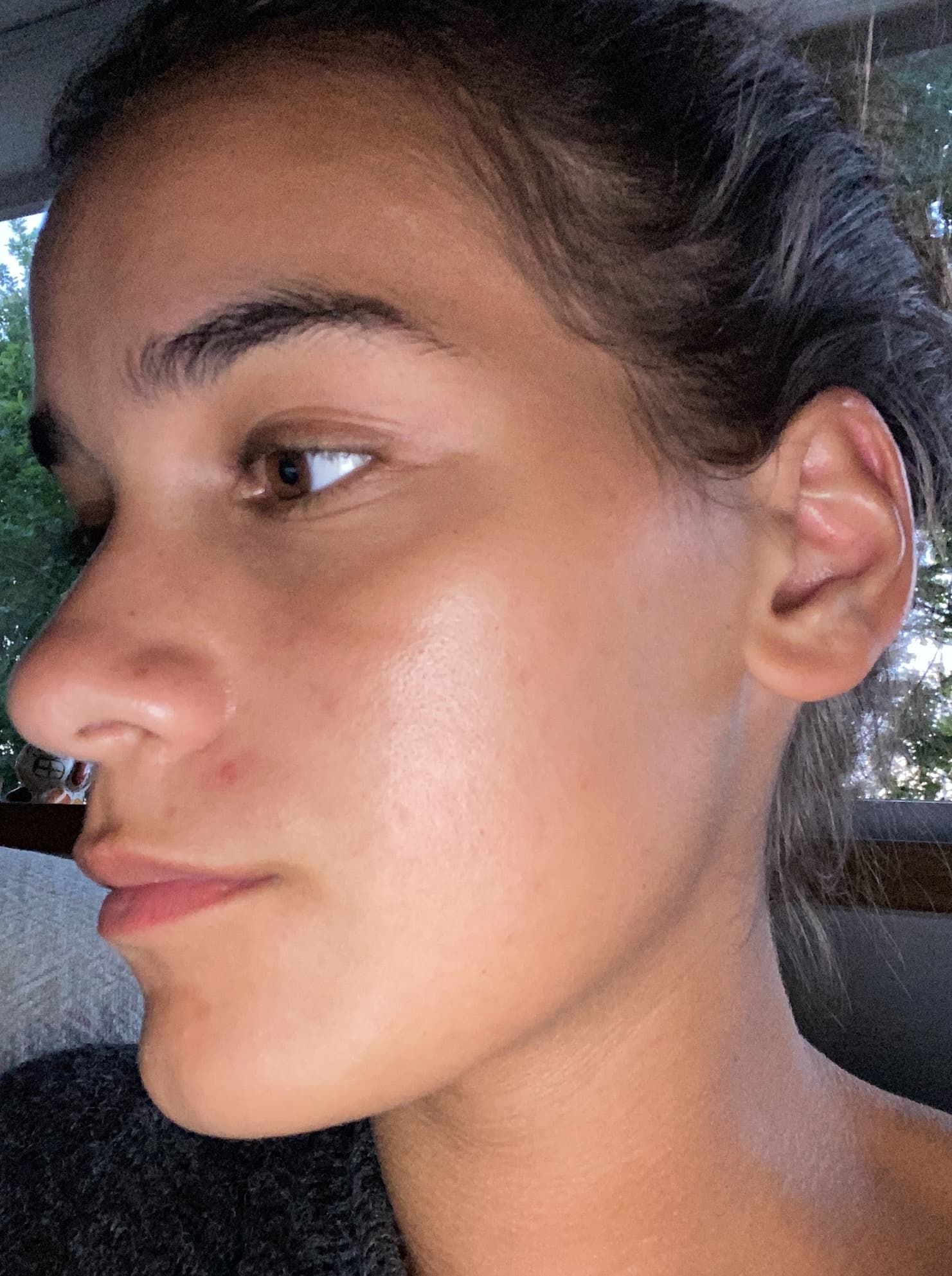
Real results from simple routines
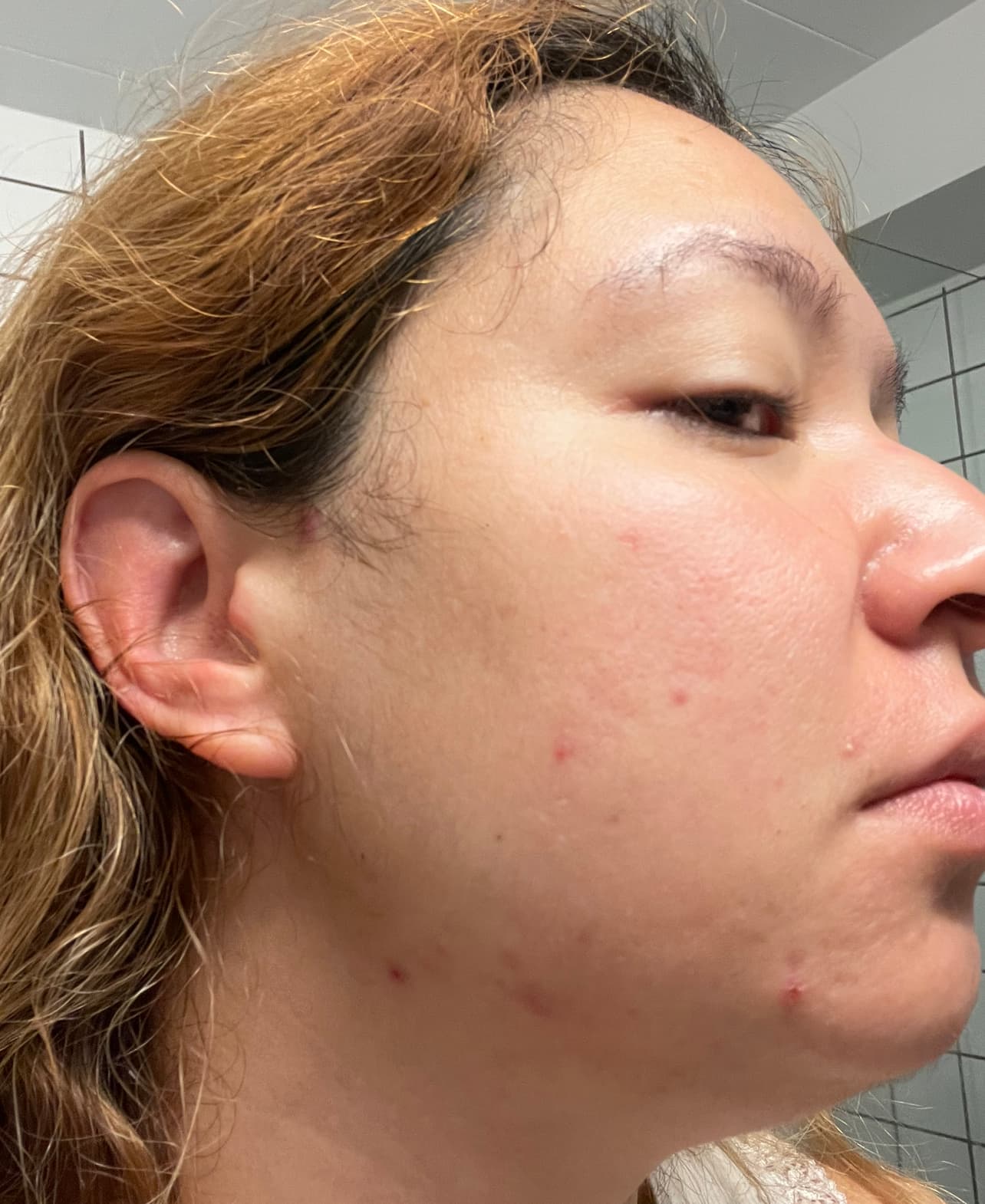
A few real before-and-after cases from people using Danish Skin Care for skin concerns related to this guide. No filters, no miracle promise. Consistent skincare over time.
 Before
 After
After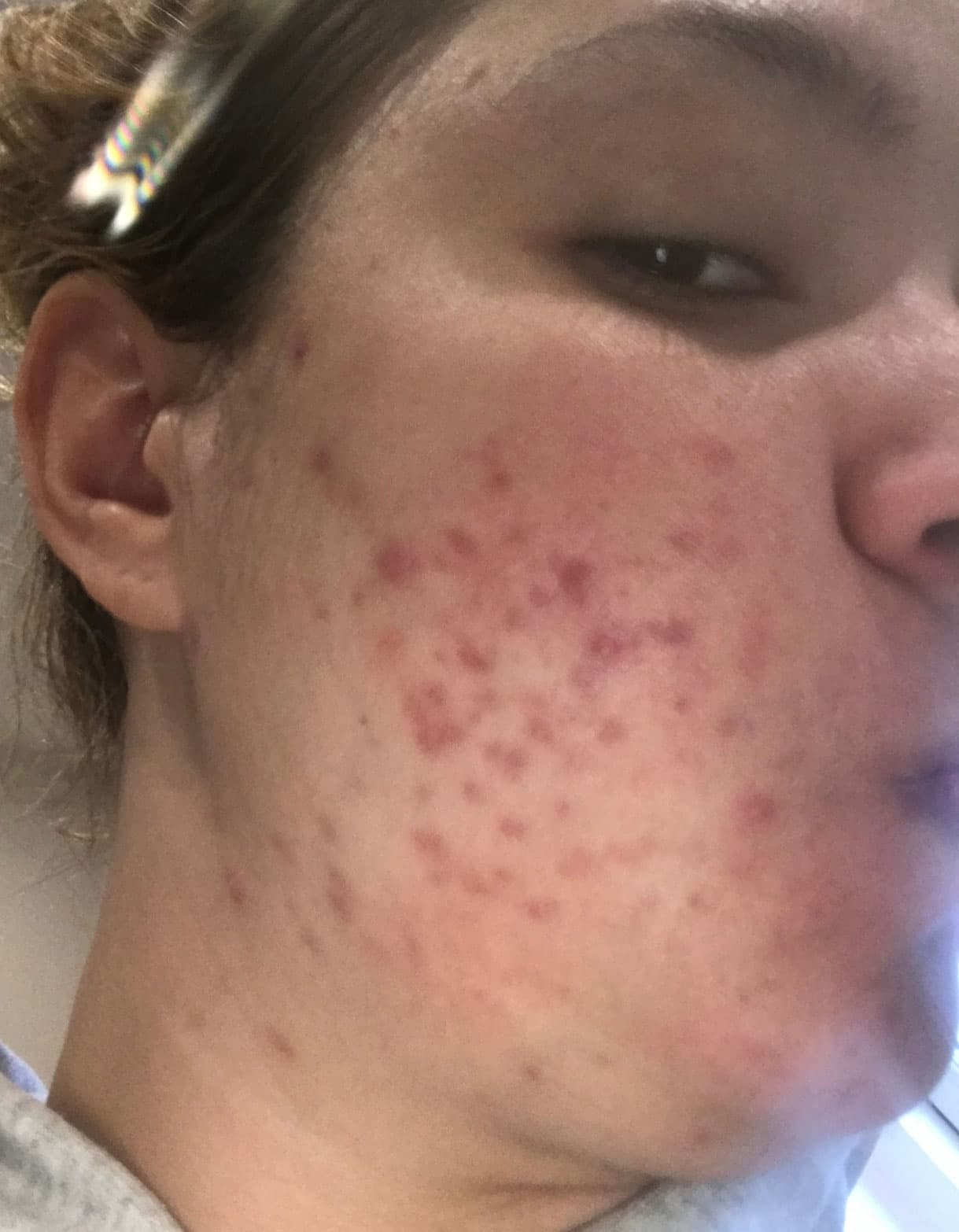 Before
 After
After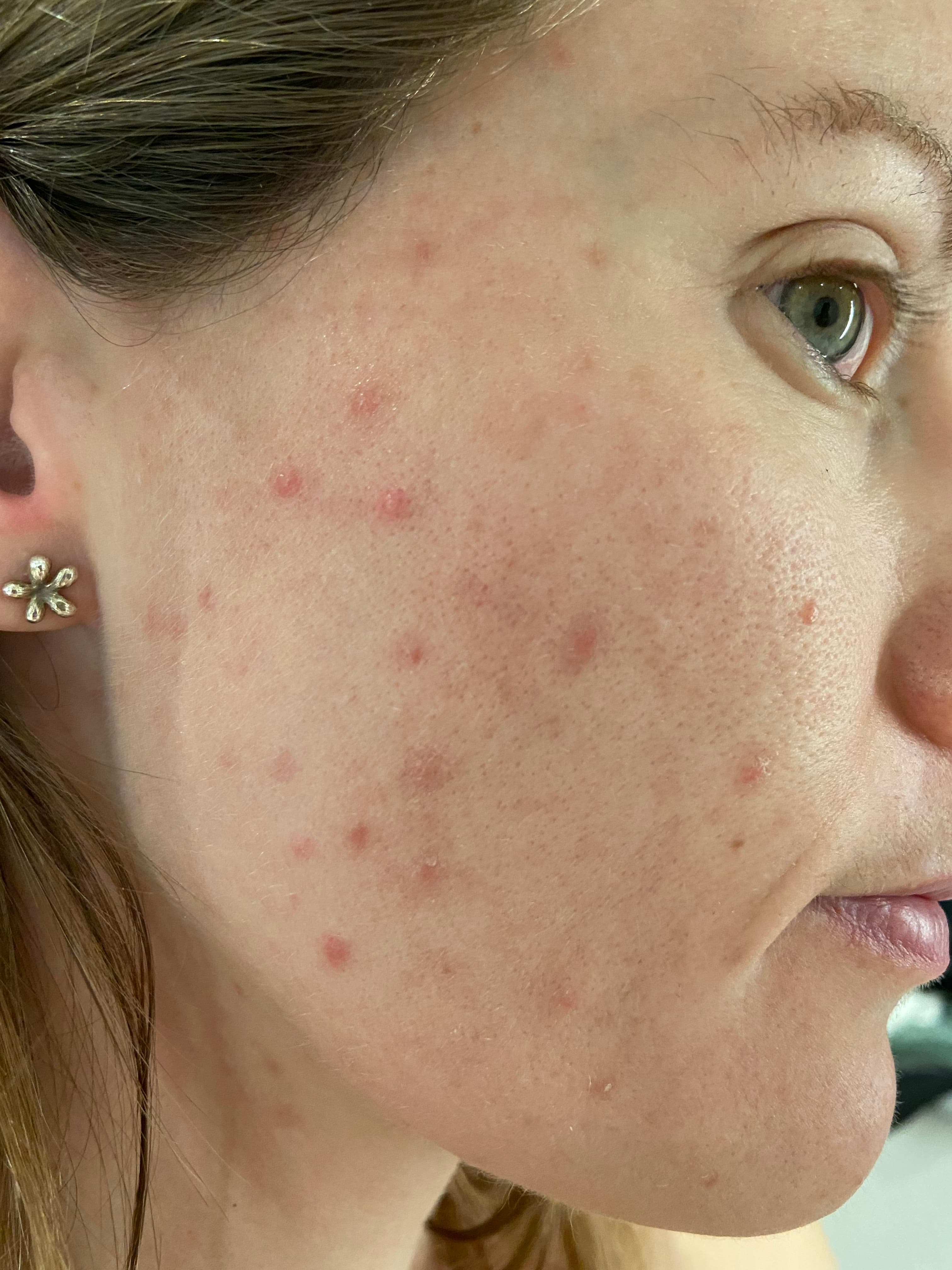 Before
 After
AfterKeep reading
Citations
- Dall'Oglio F, et al. Diet and acne: A systematic review. JAAD Int. 2022;7:95-112.PMID 35373155
- Juhl CR, et al. Dairy Intake and Acne Vulgaris: A Systematic Review and Meta-Analysis of 78,529 Children, Adolescents, and Young Adults. Nutrients. 2018;10(8):1049.PMID 30096883
- Dai R, et al. The effect of milk consumption on acne: a meta-analysis of observational studies. J Eur Acad Dermatol Venereol. 2018;32(12):2244-2253.PMID 30079512