
Sugar and acne: the glycemic load link explained simply
Sugar does not dirty your skin, but high-glycemic eating can aggravate acne biology for some people. Here is what to change without becoming obsessive.

On this page
Sugar gets blamed for acne in a very old-fashioned way.
Eat sweets, get pimples. Case closed.
Except skin is not that simple. I wish it were. When I had acne, I would have loved one rule that solved the whole thing. Instead, acne behaved like acne: hormonal, inflammatory, stubborn, and annoyingly good at ignoring my confident theories.
Still, sugar is not irrelevant.
The better word is glycemic load. Less catchy than "sugar", but much more useful.
The short answer
High-glycemic eating can worsen acne for some people.
That means foods and drinks that digest quickly and push blood sugar and insulin higher: sugary drinks, sweets, white bread, some cereals, pastries, and snack-heavy meals without much protein or fibre.
A 2022 systematic review on diet and acne[1] found that high glycemic index and higher glycemic load have a modest but meaningful pro-acne signal, supported by randomized trials.
So no, sugar does not make your skin "dirty."
But frequent blood sugar spikes may nudge acne biology in the wrong direction.
Why glycemic load matters
Acne happens inside the follicle. Oil production, sticky dead skin cells, Cutibacterium acnes, hormones, and inflammation all play a part. The acne and blemishes guide covers that bigger pattern if you want the full routine context.
High-glycemic meals can raise insulin. Insulin can interact with IGF-1 and androgen signalling, which may influence sebum production and follicle behaviour.
In normal language: a high-sugar pattern can make the acne environment a little more enthusiastic.
That does not mean one cookie creates one pimple. Acne is not an accounting system.
It means the overall pattern can matter.
What clinical research found
A 2007 randomized trial[2] compared a low glycemic-load diet with a conventional high glycemic-load diet in young men with acne. After 12 weeks, the low glycemic-load group had a greater reduction in acne lesion counts and improvements in some metabolic markers.
It was not a perfect study, and diet research is difficult. People change more than one thing when they change food.
But it gives a useful direction: slower, steadier meals may help acne-prone skin for some people.
What to change first
Do not start with punishment.
Start by making meals more stable:
- Add protein to breakfast.
- Replace sugary drinks with water most days.
- Pair carbohydrates with fibre, fat, or protein.
- Choose oats, rye, beans, lentils, vegetables, potatoes, fruit, or whole grains more often.
- Keep sweets as sweets, not as the foundation of the day.
This is not about becoming the person who brings a glycemic index spreadsheet to dinner.
It is about reducing the repeated spikes that may aggravate acne biology.
Do you have to quit sugar completely?
No.
Most people do better with a realistic pattern than a dramatic rule. If you ban every sweet food, think about sweets all day, then rebound on Friday night, the plan is not helping your skin or your sanity.
Try consistency instead of purity.
If acne is active, aim for lower-glycemic meals most of the time for 8 to 12 weeks. Keep your skincare routine steady. Then judge by your skin pattern, not by one random pimple after dessert.
The bottom line
Sugar is not the only acne trigger. It is not a moral issue. It is not dirt coming out through your pores. If you are testing food patterns, keep milk and acne and chocolate and acne separate from the sugar question so the answer stays clearer.
But high-glycemic eating can push acne-prone skin in the wrong direction for some people.
Build steadier meals. Keep your routine calm. Let your skin show you whether the change matters.
People also ask
Does sugar cause acne?
Sugar does not cause acne by itself, but high-glycemic eating can worsen acne in some people by affecting insulin and related hormone signals.
What is a low-glycemic diet for acne?
It means choosing slower-digesting meals more often: protein, fibre, vegetables, beans, whole grains, nuts, and less frequent sugary drinks or refined snacks.
How long does it take for less sugar to help acne?
Give it 8 to 12 weeks. Acne lesions form over time, so food changes rarely show their full effect in a few days.
Pair sensible food habits with steady skincare
Lower-glycemic eating can be useful, but it should not become another stressful acne project. I developed the Danish Skin Care Kit so the skincare side stays simple while you build food habits that feel realistic.

A simple acne routine to combine with sensible lower-glycemic habits.
Full transparency: Danish Skin Care is my own company — I formulated these products and earn from every sale. That's exactly why I only recommend them where they genuinely fit the guide you just read.
Real results from simple routines
A few real before-and-after cases from people using Danish Skin Care for skin concerns related to this guide. No filters, no miracle promise. Consistent skincare over time.
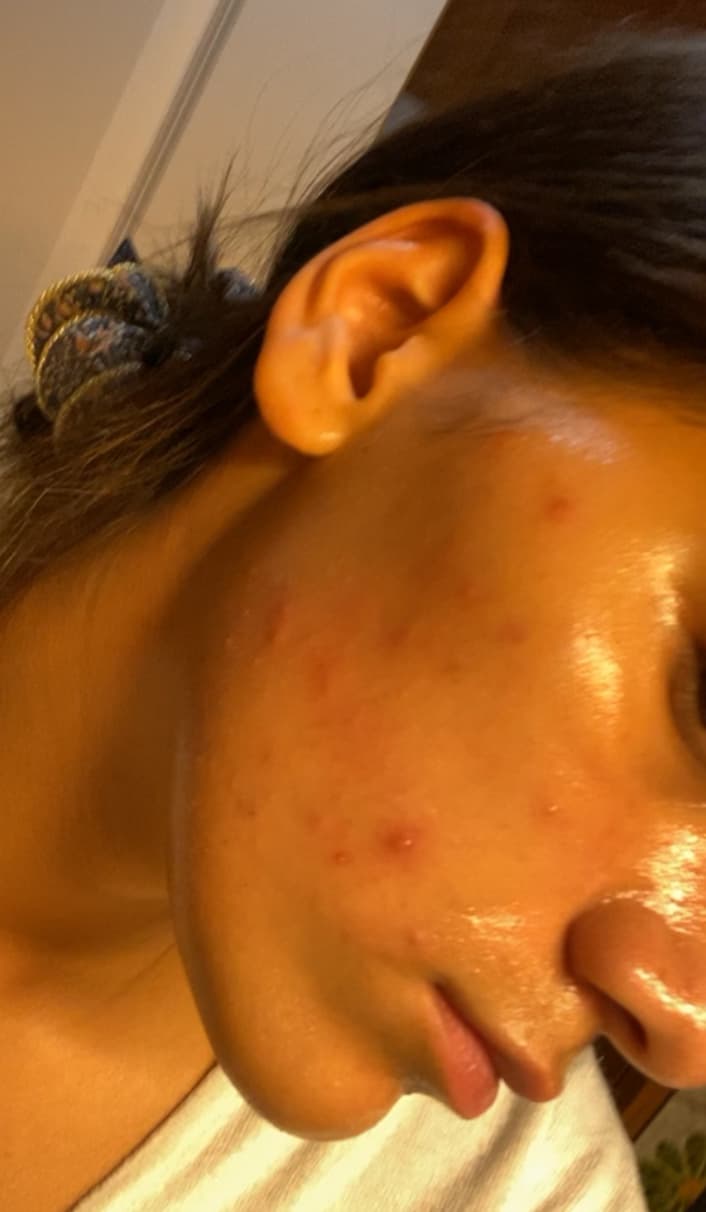 Before
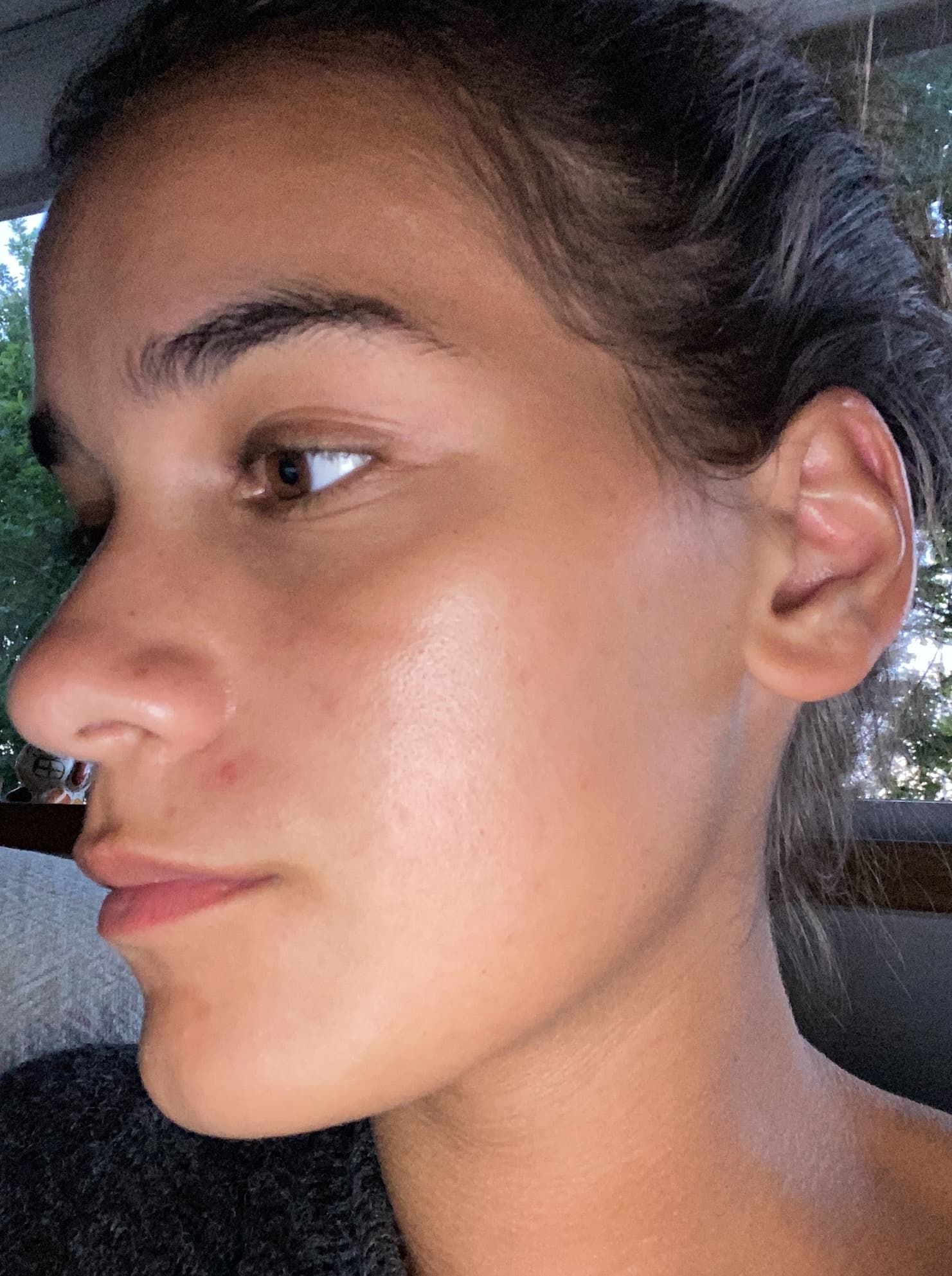 After
After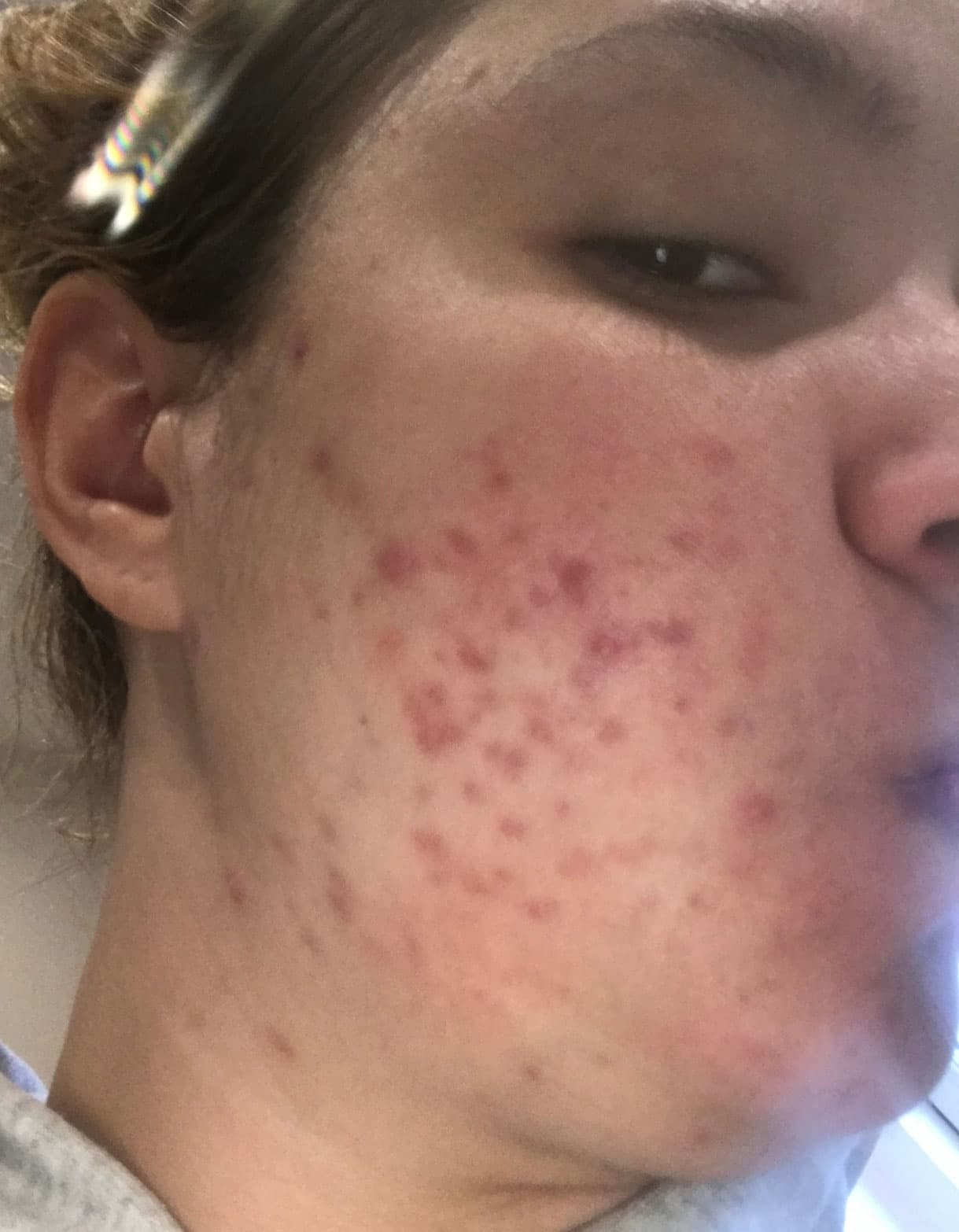 Before
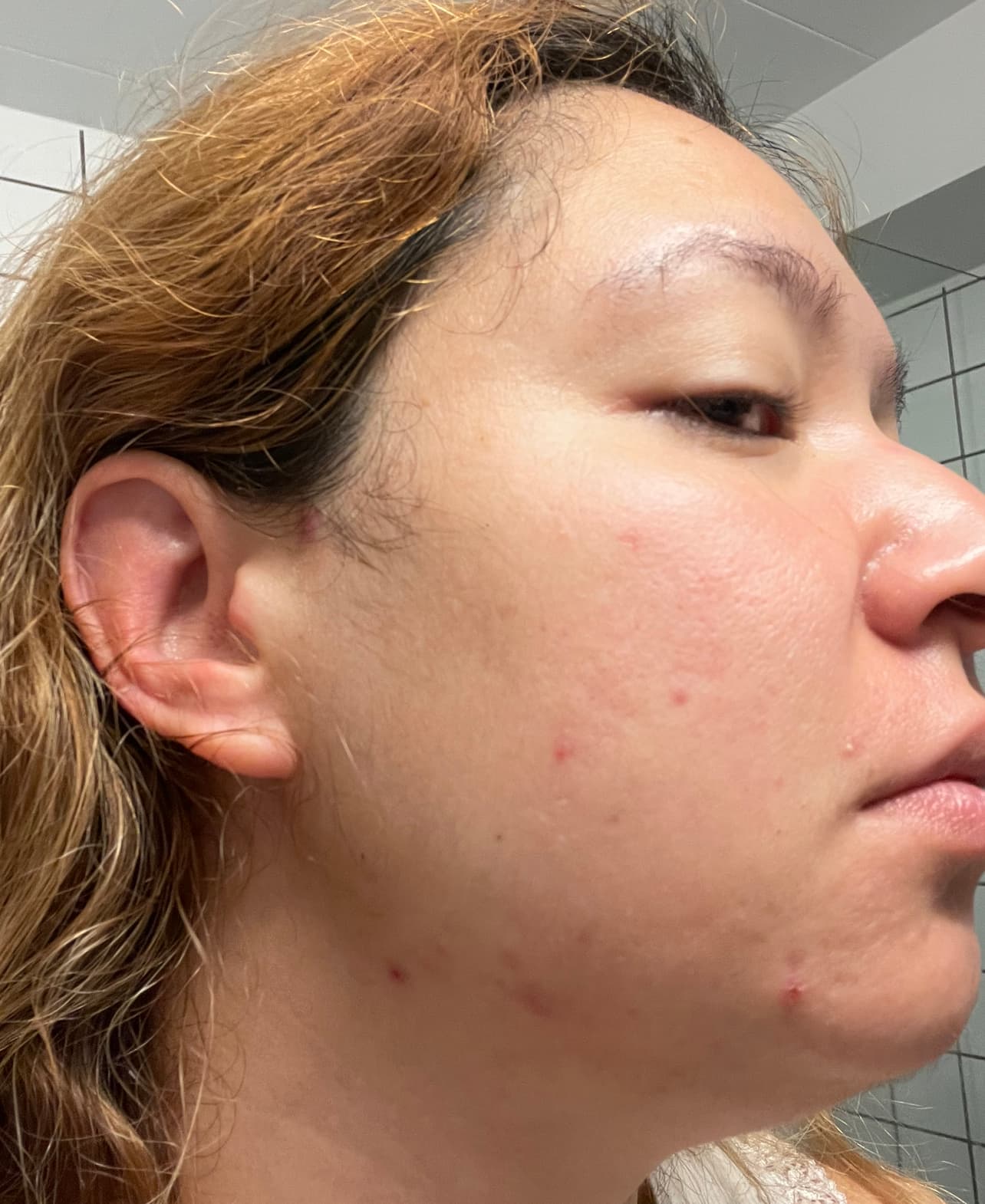 After
After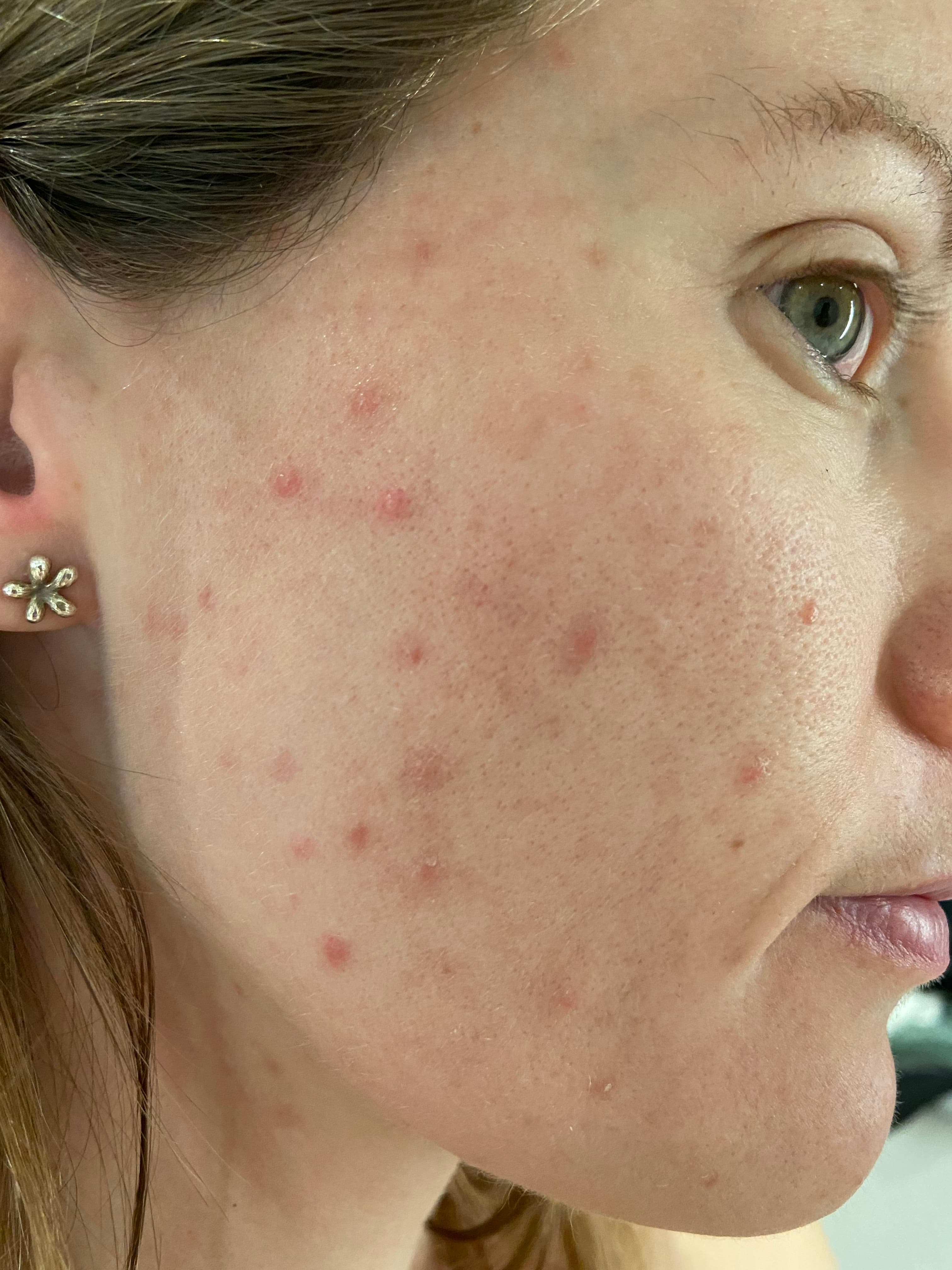 Before
 After
AfterKeep reading
Citations
- Dall'Oglio F, et al. Diet and acne: A systematic review. JAAD Int. 2022;7:95-112.PMID 35373155
- Smith RN, et al. The effect of a high-protein, low glycemic-load diet versus a conventional, high glycemic-load diet on biochemical parameters associated with acne vulgaris. J Am Acad Dermatol. 2007;57(2):247-256.PMID 17448569