
Sodium Hydroxide
A strong alkaline ingredient used in tiny, controlled amounts to adjust formula pH. Helpful in finished skincare, but not something to use on skin as a raw material.
At a glance
What Sodium Hydroxide does for skin, and how to read the practical safety signals.
- pH adjuster: Helps raise or fine-tune the pH of a finished formula.
- Not a treatment active: It does not exfoliate, clear acne, or repair the barrier by itself.
- Formula-dependent safety: Raw sodium hydroxide is caustic, but finished cosmetics use it in controlled systems designed to be nonirritating.
- Type
- pH adjuster
- Rating
- Pregnancy
- Considered safe
- Comedogenic rating
- 0/5 (Won't clog pores)
- Vegan
- Yes
- Suited skin types
- All skin types
On this page
What does sodium hydroxide do in skincare?
Sodium hydroxide is a pH adjuster.
On ingredient lists you may see Sodium Hydroxide. Older or more chemistry-heavy sources may call it lye or caustic soda. In skincare, its normal job is not to act like an active ingredient. It helps the finished formula land at the right pH.
That distinction matters because sodium hydroxide as a raw material is harsh. Sodium hydroxide inside a carefully made cleanser, moisturiser, sunscreen, or serum is a different conversation.
What the evidence shows
Cosmetic safety. The Cosmetic Ingredient Review safety assessment on inorganic hydroxides[1] describes sodium hydroxide and related ingredients as alkaline salts used primarily as pH adjusters in cosmetics. The panel concluded they are safe for current cosmetic use when formulated to be nonirritating, with special caution for high-pH hair straighteners and depilatories.
That is the whole point: context decides the risk.
A drop of raw sodium hydroxide is not the same thing as a pH-adjusted finished formula where the ingredient has done its behind-the-scenes work.
Why pH matters. A 2018 review on skin pH[2] explains that surface pH affects barrier enzymes, shedding, and microbial balance. Sodium hydroxide will not repair the barrier by itself, but pH control can help a product feel more compatible with skin.
Why a formula might need it
Some ingredients make a formula too acidic or too alkaline at first.
Formulators use pH adjusters to bring the final product into the intended range. You may see sodium hydroxide in:
- cleansers
- moisturisers
- SPF products
- salicylic acid products
- azelaic acid formulas
- gels and serums
Think of it like seasoning a soup at the end. You are not eating a spoonful of salt. You are eating the finished soup after the balance has been corrected.
Is sodium hydroxide bad for skin?
Raw sodium hydroxide can burn skin. That is true, and there is no reason to soften it.
But INCI lists are not raw-material warning labels. They tell you what was used to make the final formula. In many products, sodium hydroxide is present because it helped neutralise or adjust the formula. The finished pH and the full product decide comfort.
For sensitive skin, the useful question is not "Does this contain sodium hydroxide?" The better question is:
- Does the product sting?
- Does it leave the face tight?
- Does redness last after use?
- Is the formula fragrance-free and gentle enough for daily use?
- Does the overall routine keep the skin calm?
If a product feels comfortable and does not leave your skin angry, sodium hydroxide on the ingredient list is usually not a reason to panic.
Where it fits in a routine
You do not use sodium hydroxide as a separate skincare step.
You meet it inside finished formulas, often near ingredients that need pH adjustment, such as citric acid, sodium citrate, salicylic acid, or azelaic acid.
This is exactly the kind of boring formulation detail I like. Nobody buys a cleanser because it contains sodium hydroxide. People keep using a cleanser because the finished product cleans without leaving the face tight and annoyed.
When it will not help
Sodium hydroxide will not:
- clear acne
- fade pigmentation
- calm rosacea by itself
- moisturise dry skin
- exfoliate like an acid treatment
- make a harsh formula gentle on its own
It is support chemistry. Support chemistry should be respected, not turned into a miracle or a scare story.
The practical takeaway
My goal with this guide was to gather the useful science on sodium hydroxide in one place, so you can stop hunting for the next clever fix and focus on a simple, effective routine.
That is also why I made the Danish Skin Care Kit: a calm routine built around documented ingredients, and one that has helped more than 100,000 people with problem skin. If even the smallest question is still nagging you, send me an email at info@danishskincare.com.
Common questions
What does Sodium Hydroxide do in skincare?
It mainly adjusts pH. In finished skincare, sodium hydroxide is usually present in small controlled amounts so the formula lands in the intended pH range.
Is Sodium Hydroxide safe for sensitive skin?
The CIR safety assessment concluded inorganic hydroxides are safe in current cosmetic use when formulated to be nonirritating. Sensitive skin should still judge the finished formula.
Is Sodium Hydroxide the same as lye?
Yes. Sodium hydroxide is also called lye or caustic soda. That sounds dramatic, but an INCI list refers to its role in the finished formula, not a raw material being placed directly on skin.
Reading a real label?
Scan a product to see how it is formulated
Upload a photo of the ingredient list and get a quick ingredient-by-ingredient read against the evidence-led database.
Found in these Danish Skin Care products

Used as pH-adjusting support in the gentle cleanser base.

Helps adjust the formula around salicylic acid and soothing plant extracts.

Supports pH control in the azelaic acid, niacinamide, and panthenol treatment base.

Part of the pH-control system in the daytime moisturiser and SPF step.

Used in the night moisturiser formula as quiet pH-adjusting chemistry.

The Kit uses pH adjusters like sodium hydroxide where they help finished formulas stay comfortable and repeatable.
Skin conditions it actively helps with
Where the published evidence puts Sodium Hydroxide on the short list of active ingredients worth reaching for.
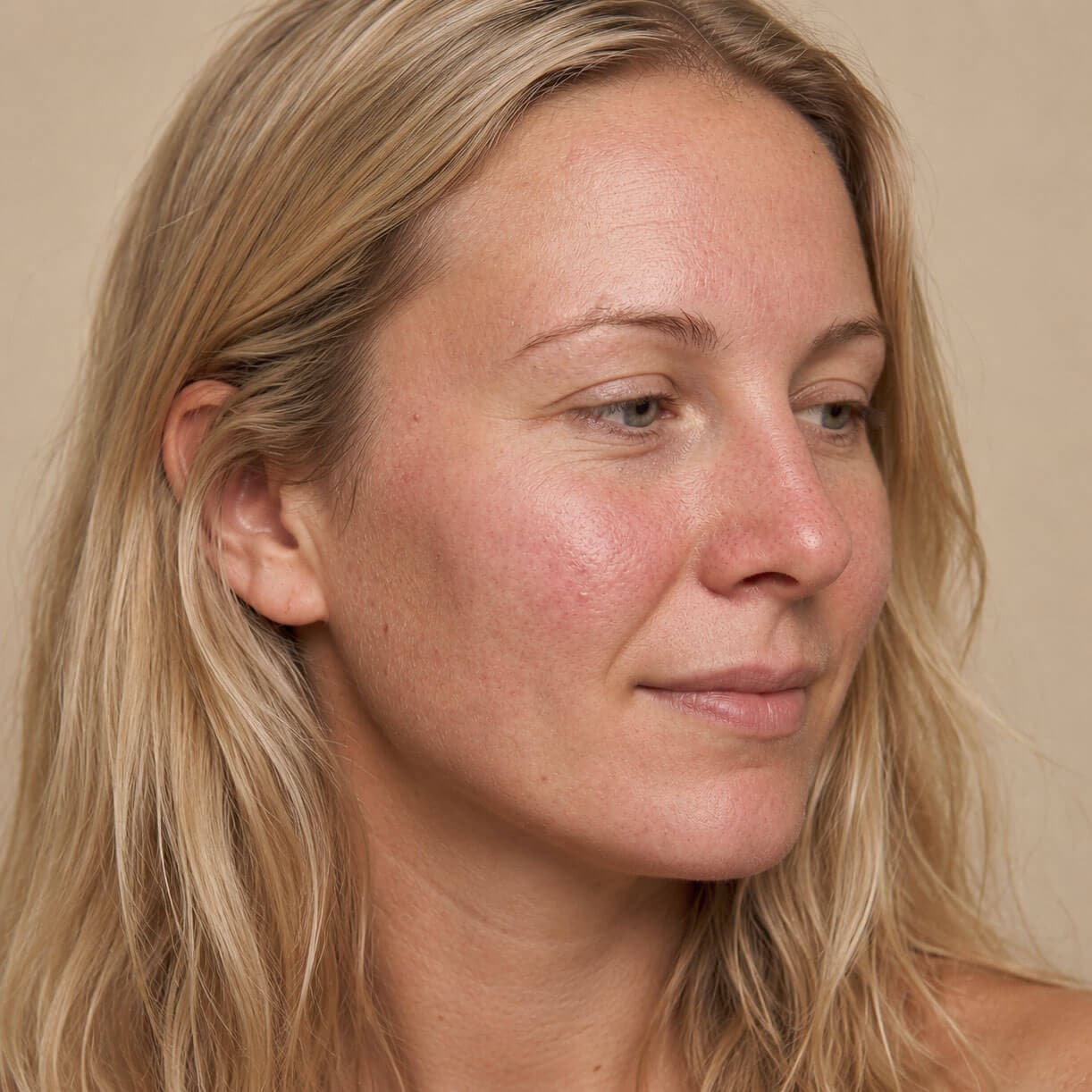
Sensitive skin
"Sensitive" is a symptom, not a diagnosis. Learn what drives reactive skin, the routine that calms it, and what to leave out.

Acne and blemishes
A clear-headed guide to acne: what's actually happening in your skin, what the evidence says works, and a simple routine that doesn't make things worse.
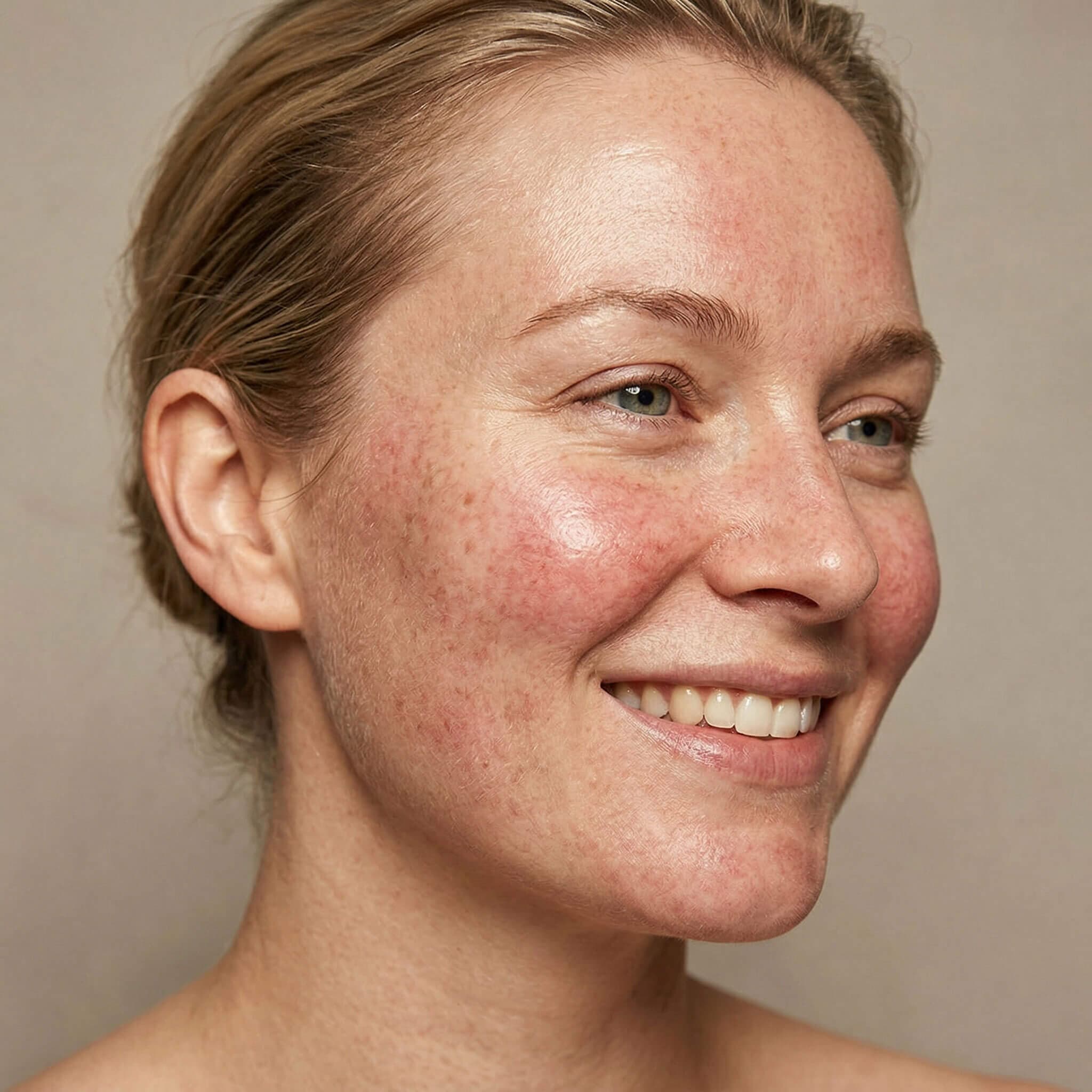
Rosacea and redness
Rosacea is a chronic inflammatory condition, not a temporary flush. Here's what causes it, what calms it, and the routine that doesn't make the reactivity worse.

Oily skin
Oily skin isn't a problem to "fix". It's a feature with trade-offs. Here's what actually controls sebum, what doesn't, and the routine that works without stripping.
Related ingredients
Citations
- Johnson W Jr, et al. Safety Assessment of Inorganic Hydroxides as Used in Cosmetics. Int J Toxicol. 2021. — DOI 10.1177/10915818211018381
- Proksch E. pH in nature, humans and skin. J Dermatol. 2018;45(9):1044-1052. — PMID 29863755