
Potassium Azeloyl Diglycinate
A water-soluble azelaic-acid derivative with promising redness, hydration, and formulation data, but far less direct acne evidence than azelaic acid itself.
At a glance
What Potassium Azeloyl Diglycinate does for skin, and how to read the practical safety signals.
- Derivative, not a twin: PAD is made from azelaic acid and glycine, but evidence for azelaic acid cannot automatically be transferred to it.
- Easy to formulate: Its water solubility helps chemists use it in light serums and gels.
- Evidence is early: Small combination studies and laboratory work are encouraging, while direct acne trials remain limited.
- Type
- Azelaic acid derivative
- Rating
- Pregnancy
- Considered safe
- Comedogenic rating
- 0/5 (Won't clog pores)
- Vegan
- Yes
- Suited skin types
- All skin types
On this page
The short answer
Potassium azeloyl diglycinate, often called azeloglycine or PAD, is a water-soluble derivative made from azelaic acid and glycine.
Formulators like it because it fits easily into light serums and gels. It is marketed for oily, redness-prone, acne-prone, and uneven skin, but its direct clinical evidence is much smaller than the evidence for azelaic acid.
Treat PAD as an interesting supporting active, not azelaic acid in a more convenient outfit.
What the evidence actually shows
Small rosacea combination trial. A 2012 randomised pilot trial[1] tested a cream with 5% potassium azeloyl diglycinate and 1% hydroxypropyl chitosan in 42 people with early-stage rosacea. The combination cream improved measured erythema and clinical symptoms over four weeks compared with placebo.
That is useful redness and tolerance evidence, but it belongs to a two-ingredient finished cream in rosacea. It does not prove that PAD alone treats acne or that every 5% serum will behave the same way.
Open redness study. A 2015 multicentre study[2] followed adults using the same PAD-and-chitosan combination for 12 weeks. Stinging and burning scores fell, and no side effects were reported among the evaluable participants. The study had no control group, so improvement cannot be assigned confidently to PAD alone.
Laboratory acne-formulation work. A 2025 study[3] examined tetracycline hydrogels with azeloglycine. PAD affected rheology, antibiotic stability in some conditions, penetration into model sebum, and antimicrobial performance in laboratory models. This is formulation research, not a clinical acne trial.
The honest summary: PAD has plausible and early evidence. The internet often describes it with more certainty than the human data deserves.
PAD versus azelaic acid
The names are related, but the molecules are not interchangeable.
Azelaic acid has direct clinical use and guideline support for acne and rosacea. It can also sting, and its limited water solubility creates formulation challenges.
Potassium azeloyl diglycinate is designed to be more water soluble. That can help create elegant, lightweight products. What it does not provide is permission to borrow every azelaic-acid result and paste it onto PAD.
If a product says “azelaic derivative”, check the INCI list. Potassium Azeloyl Diglycinate is PAD. Azelaic Acid is the original acid. Dose, formulation, and evidence differ.
Where it may fit
PAD may interest people who want:
- a light serum for oily or combination skin
- support for visible redness
- an azelaic-related ingredient in a water-based formula
- a gentler-feeling routine after stronger actives have been difficult
It can sit beside niacinamide, zinc PCA, glycerin, panthenol, or allantoin. That does not mean you need all of them at once.
For acne, keep the hierarchy clear. PAD may support an oily or redness-prone routine, while proven acne treatment should address the follicles. The guides to allantoin for skin, aloe vera for acne, and panthenol for the skin barrier explain the same difference between support and treatment.
How to use it
Follow the finished product's instructions. PAD appears most often in serums, gels, and light emulsions.
Introduce one new product at a time. Start every other day if your skin is reactive, then increase only if the formula remains comfortable. There is no prize for reaching daily use before your face agrees.
If you already use azelaic acid successfully, you do not need PAD simply because it sounds newer. If azelaic acid is prescribed for rosacea or acne, do not replace it with a cosmetic derivative without discussing the change with the clinician.
Safety and limitations
The available combination studies suggest good short-term tolerance, but they do not answer every long-term, concentration, pregnancy, or allergy question for every formula.
Stop if a product causes persistent burning, swelling, or an itchy rash. Ask a qualified dermatologist about deep, painful, scarring, or persistent acne and about recurring central-face redness, flushing, or eye symptoms.
PAD will not diagnose the difference between acne and rosacea. A clever INCI name cannot correct a wrong diagnosis.
The practical takeaway
Potassium azeloyl diglycinate is technically useful and scientifically interesting. Its water solubility gives formulators options, and small combination studies support a possible role in redness and comfort.
The evidence does not make it a proven replacement for azelaic acid or established acne treatment.
My goal with this guide was to collect the useful science on PAD so you can stop chasing the newest derivative and focus on a simple routine with a clear job for every step.
That is also why I made the Danish Skin Care Kit: the routine I created after helping more than 100,000 people with problem skin, built around consistency rather than ingredient collecting. If you have a question, email me at info@danishskincare.com.
Common questions
Is potassium azeloyl diglycinate the same as azelaic acid?
No. It is a water-soluble derivative made from azelaic acid and glycine. Its technical properties and evidence base are different.
Does potassium azeloyl diglycinate treat acne?
It is marketed for oily and acne-prone skin, but direct clinical acne evidence is limited. Do not treat it as a proven substitute for azelaic acid, benzoyl peroxide, retinoids, or prescription care.
Is azeloglycine gentler than azelaic acid?
It is easier to formulate in water-based products and often positioned as more comfortable, but the finished formula decides tolerance and direct comparisons are scarce.
Reading a real label?
Scan a product to see how it is formulated
Upload a photo of the ingredient list and get a quick ingredient-by-ingredient read against the evidence-led database.
I recommend these products

The Optimizer uses azelaic acid itself, together with niacinamide and panthenol, rather than potassium azeloyl diglycinate.

PAD is not a core Kit ingredient; the Kit keeps the same calm acne-routine logic with better-established actives and barrier support.
Skin conditions it actively helps with
Where the published evidence puts Potassium Azeloyl Diglycinate on the short list of active ingredients worth reaching for.
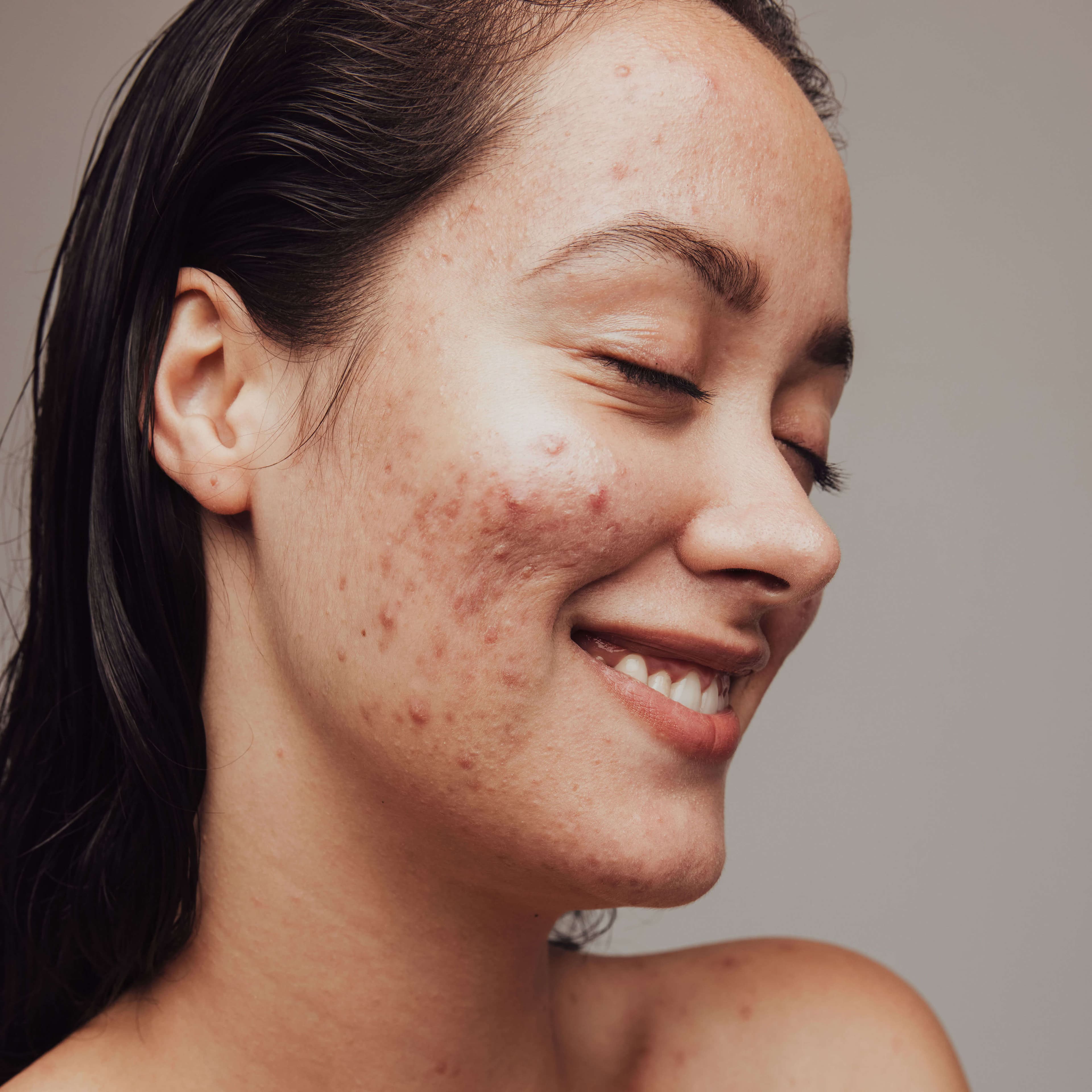
Acne and blemishes
A clear-headed guide to acne: what's actually happening in your skin, what the evidence says works, and a simple routine that doesn't make things worse.
Oily skin
Oily skin isn't a problem to "fix". It's a feature with trade-offs. Here's what actually controls sebum, what doesn't, and the routine that works without stripping.
Combination skin
Oily T-zone, drier or normal cheeks, and a routine that has to address both without making either worse. Here's how to actually balance combination skin.
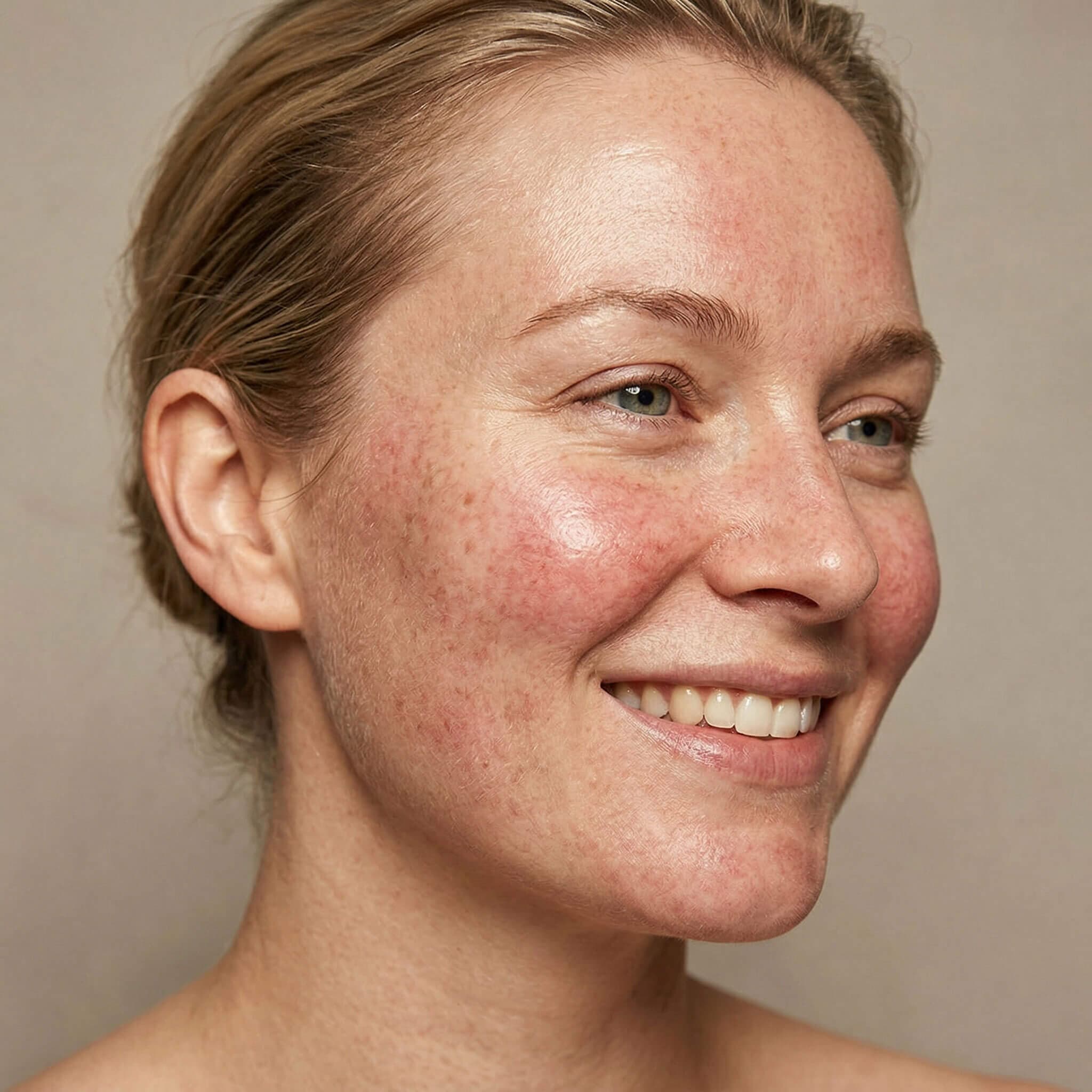
Rosacea and redness
Rosacea is a chronic inflammatory condition, not a temporary flush. Here's what causes it, what calms it, and the routine that doesn't make the reactivity worse.
Related ingredients
Citations
- Berardesca E, Iorizzo M, Abril E, et al. Clinical and instrumental assessment of the effects of a new product based on hydroxypropyl chitosan and potassium azeloyl diglycinate in the management of rosacea. J Cosmet Dermatol. 2012;11(1):37-41. — PMID 22360333
- Veraldi S, Raia DD, Schianchi R, De Micheli P, Barbareschi M. Treatment of symptoms of erythemato-telangiectatic rosacea with topical potassium azeloyl diglycinate and hydroxypropyl chitosan: Results of a sponsor-free, multicenter, open study. J Dermatolog Treat. 2015;26(2):191-192. — PMID 24831156
- Kostrzębska A, Junka A, Musiał W. Synergy of Tetracyclines and Potassium Azeloyl Diglycinate (Azeloglycine) in Hydrogels: Evaluation of Stability, Antimicrobial Activity, and Physicochemical Properties. Int J Mol Sci. 2025;26(11):5239. — PMID 40508050