
Chocolate and acne: is your favourite treat really breaking you out?
Chocolate may worsen acne in some acne-prone people, but the answer is more nuanced than blaming every square of chocolate for every pimple.
On this page
Chocolate is a very emotional acne topic.
People do not ask about chocolate the way they ask about broccoli. They ask with a tiny bit of fear, because nobody wants their favourite evening square to become a dermatological crime scene.
I get it. When I struggled with acne, I wanted rules. Clear rules feel comforting when your skin feels unpredictable. But acne rarely gives us neat rules, and chocolate is a perfect example.
For some people, chocolate seems to matter. For others, it does nothing.
The goal is not to make you afraid of dessert. The goal is to help you notice your own pattern without turning food into a courtroom.
The short answer
Chocolate may worsen acne in some acne-prone people, but it does not cause acne in everyone.
A 2022 systematic review on diet and acne[1] found diet evidence strongest for high glycemic load and more mixed for other food categories. Chocolate is interesting because several studies point toward possible acne worsening, but chocolate is not one single thing. It can contain cocoa, sugar, milk, fat, and other ingredients depending on the product.
That makes it difficult to blame one component with confidence.
What the studies show
A small 2014 double-blind study[2] looked at men with a history of acne and found that consuming 100% cocoa capsules was linked with an increase in acneiform lesions over the following week.
A larger 2024 crossover study[3] found that daily intake of 50 g of 85% cocoa chocolate worsened acne severity in the study group, even while participants followed an anti-inflammatory diet.
That does not mean every person with acne must avoid chocolate.
It does mean the old "chocolate and acne is completely fake" answer is too confident.
Sugar, milk, cocoa, or the full package?
This is where nuance matters.
Milk chocolate brings several acne-relevant variables together:
- Fast-digesting carbohydrates, which is where the sugar and acne question belongs.
- Dairy ingredients, which is where the milk and acne question belongs.
- Cocoa compounds.
- Extra calories and snacking patterns.
Dark chocolate removes some sugar and dairy, but not all possible variables. The newer study using 85% cocoa chocolate is a good reminder that "dark" does not automatically mean invisible to acne-prone skin.
Still, real life matters. If you eat two squares twice a week and your skin is stable, I would not create a problem. If you eat a bar most evenings and your breakouts flare, it is reasonable to test.
How to test chocolate calmly
Do a simple 4 to 6 week experiment:
- Stop chocolate, but do not overhaul your entire diet.
- Keep your skincare routine stable.
- Track inflamed pimples, not every pore.
- Reintroduce chocolate and see whether the same breakout pattern returns.
If nothing changes, chocolate was probably not the big lever.
If your skin improves, then flares again when chocolate returns, you have useful information. You do not have to make a forever rule on day one. You can decide whether less chocolate is worth it for your skin.
The bottom line
Chocolate can be a trigger for some acne-prone people.
It is not the single cause of acne, and it is not a reason to feel guilty about food. The acne and blemishes guide explains the bigger picture: follicles, oil, hormones, inflammation, genetics, stress, and skincare all matter too.
Test chocolate if the pattern points there. If the pattern looks more like frequent fast food than chocolate itself, read the greasy foods and acne guide next. Keep your routine steady. Then make the smallest food change that gives you the clearest skin benefit.
People also ask
Does chocolate cause acne?
Chocolate may worsen acne in some acne-prone people, but it is not a guaranteed trigger for everyone. The evidence suggests a possible link, especially with regular intake, but individual response matters.
Is dark chocolate better for acne than milk chocolate?
Dark chocolate removes some dairy and sugar variables, but studies have still found acne worsening with high-cocoa chocolate in certain groups. If chocolate seems suspicious, test your own pattern.
How long should I stop chocolate to test acne?
Four to six weeks is a reasonable practical test. Keep skincare and the rest of your diet stable, then reintroduce chocolate and watch whether breakouts reliably change.
Do not make chocolate carry the whole acne plan
If chocolate seems linked to your breakouts, test it calmly. But the skin still needs a routine. I developed the Danish Skin Care Kit so acne-prone skin gets a simple foundation while you learn which lifestyle factors matter for you.

A steady acne-prone skin routine to keep in place while you test whether chocolate affects your skin.
Full transparency: Danish Skin Care is my own company — I formulated these products and earn from every sale. That's exactly why I only recommend them where they genuinely fit the guide you just read.
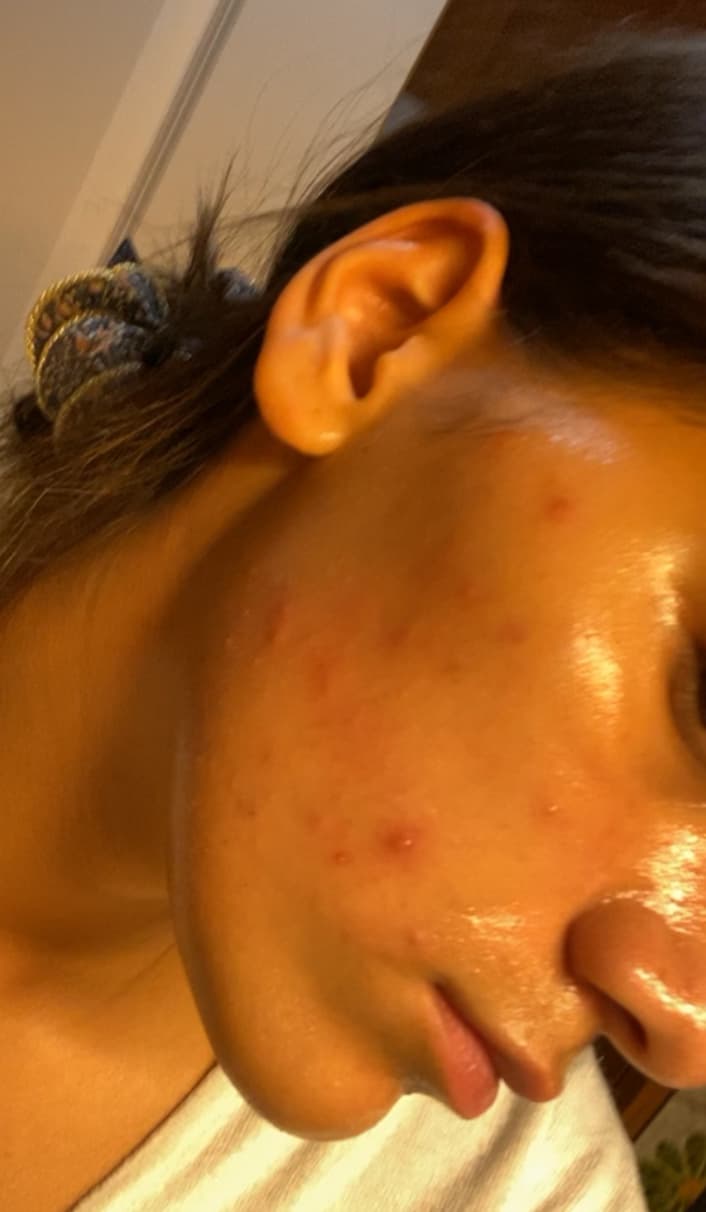
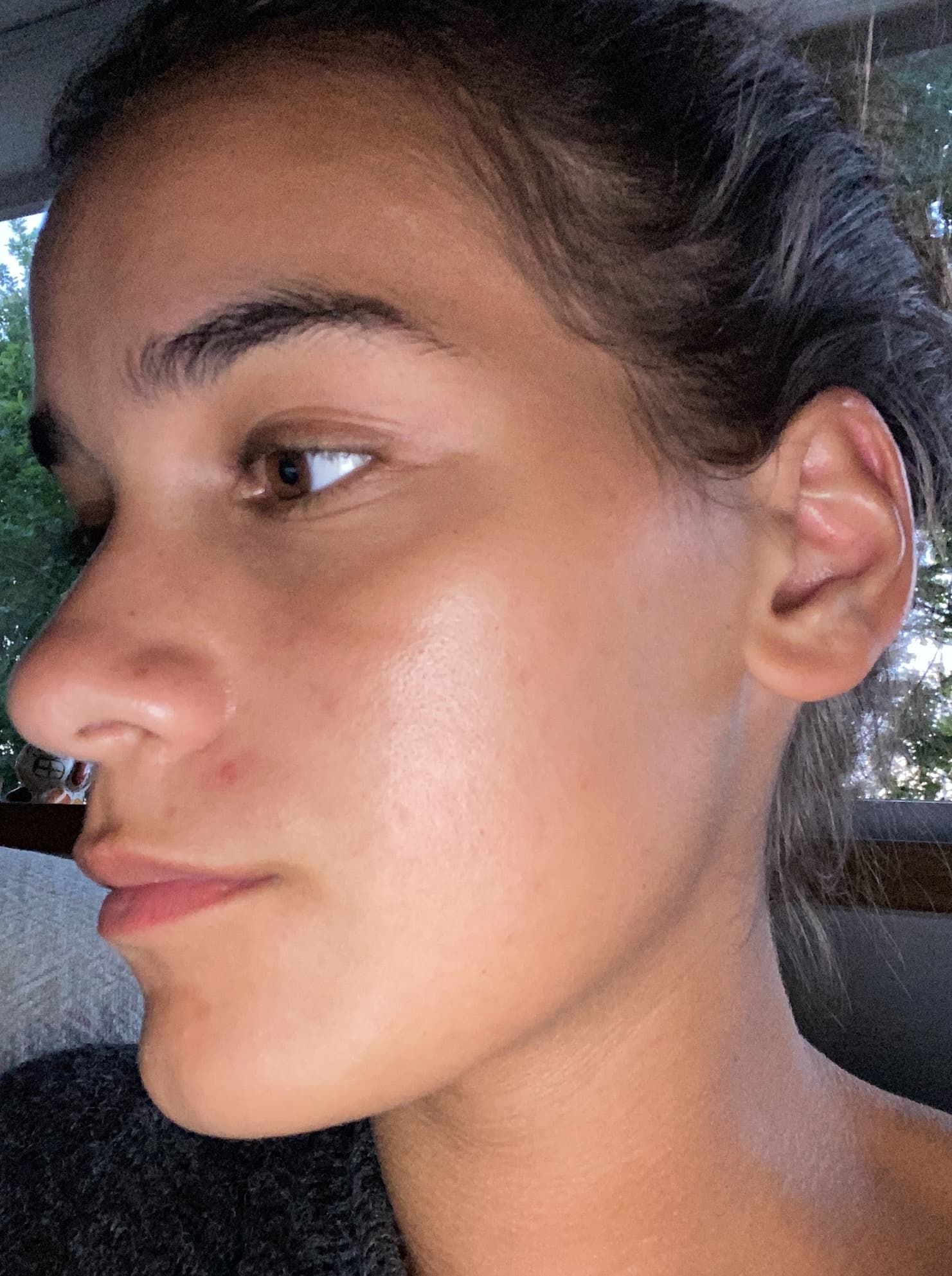
Real results from simple routines
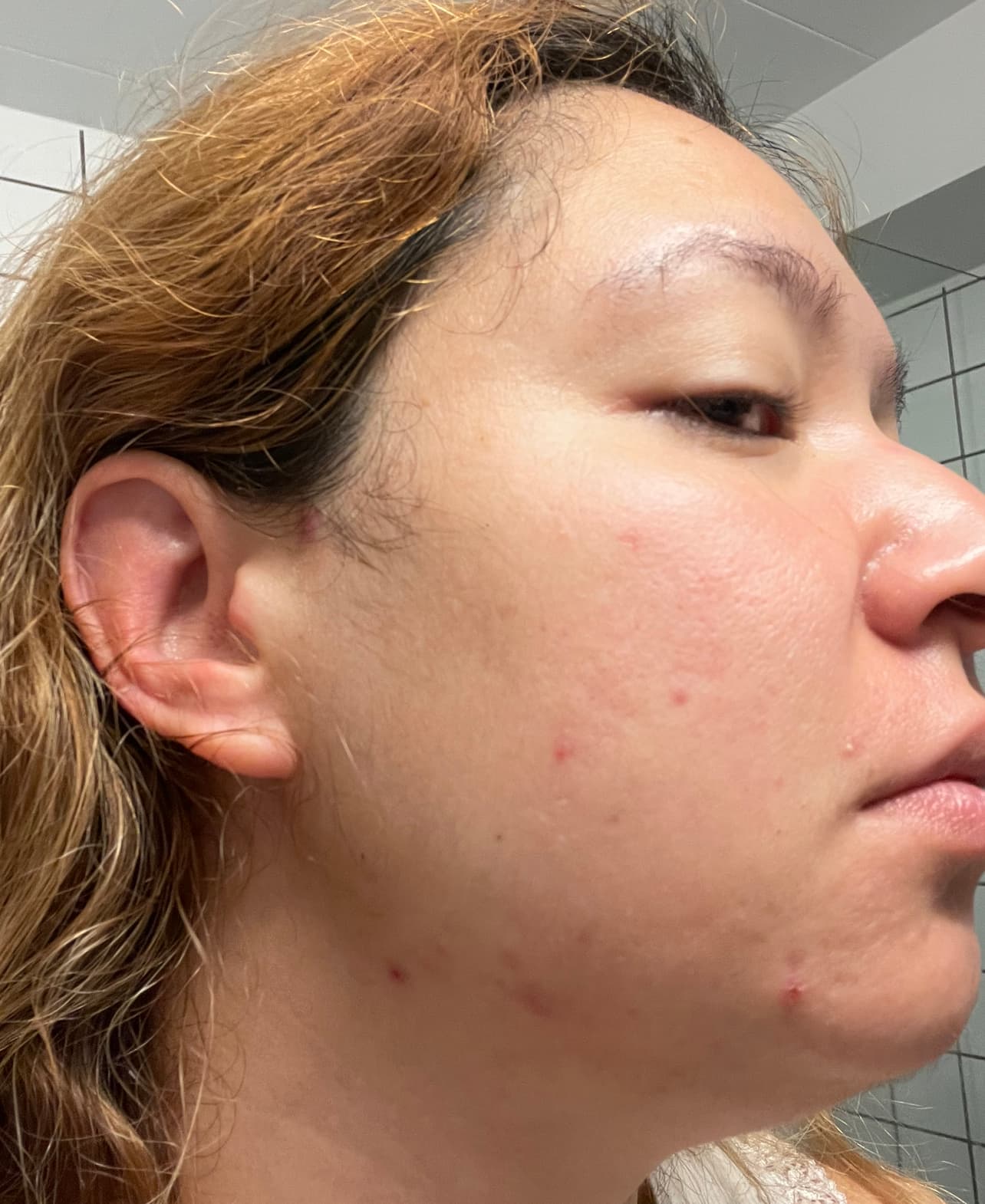
A few real before-and-after cases from people using Danish Skin Care for skin concerns related to this guide. No filters, no miracle promise. Consistent skincare over time.
 Before
 After
After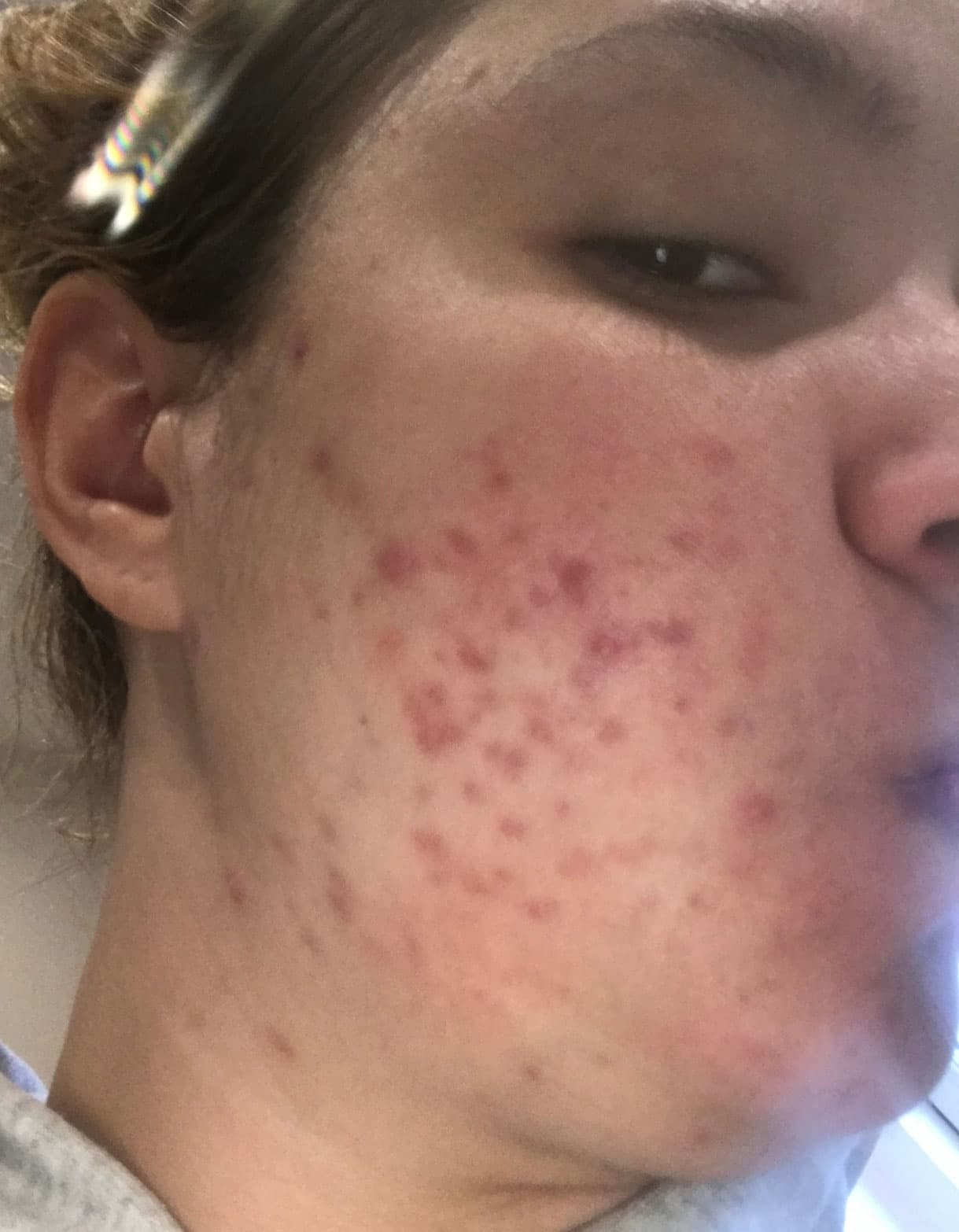 Before
 After
After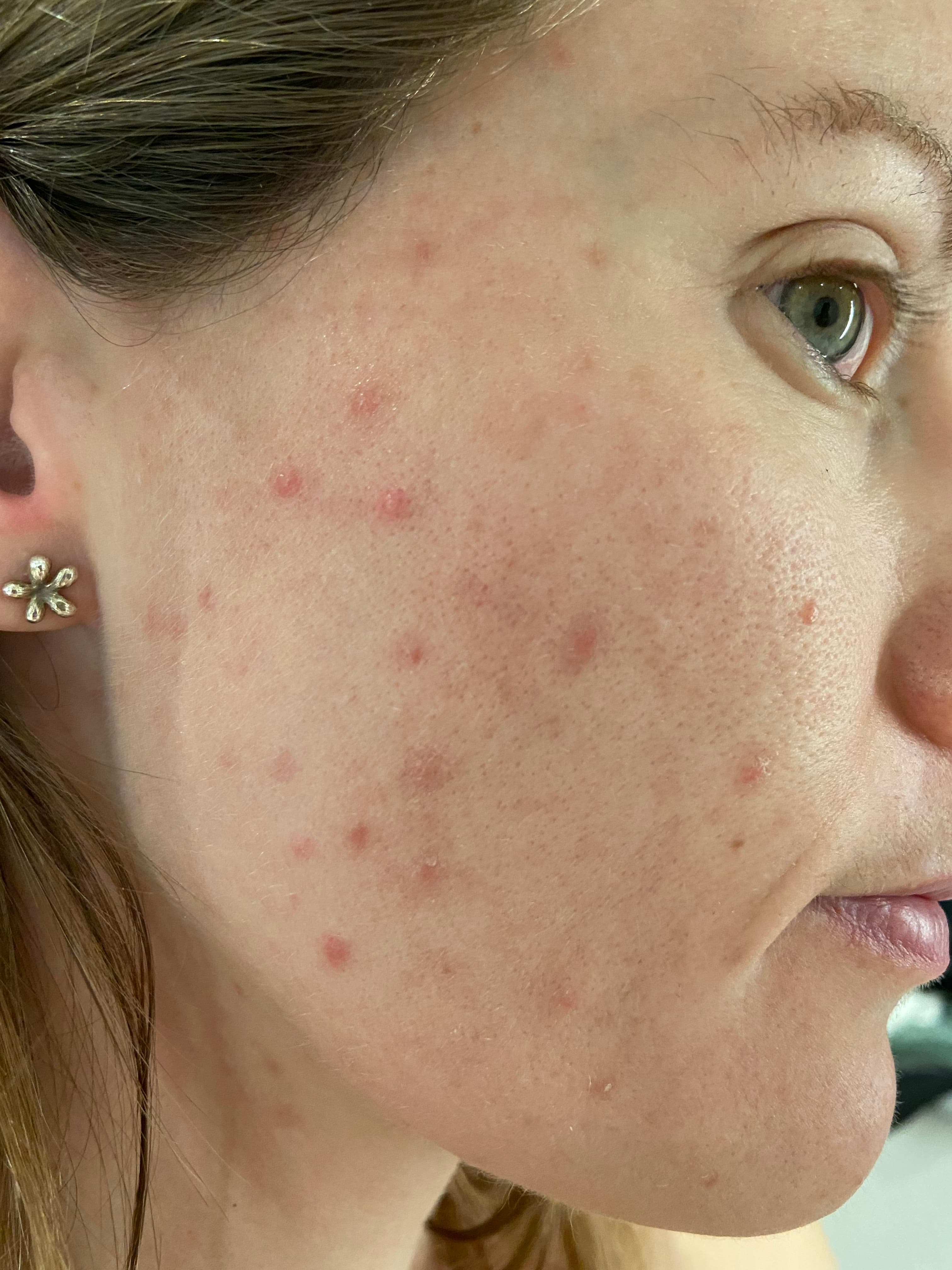 Before
 After
AfterKeep reading
Citations
- Dall'Oglio F, et al. Diet and acne: A systematic review. JAAD Int. 2022;7:95-112.PMID 35373155
- Caperton C, et al. Double-blind, Placebo-controlled Study Assessing the Effect of Chocolate Consumption in Subjects with a History of Acne Vulgaris. J Clin Aesthet Dermatol. 2014;7(5):19-23.PMID 24847404
- Kucharska A, et al. The Relationship between Chocolate Consumption and the Severity of Acne Lesions-A Crossover Study. Nutrients. 2024;16(13):2110.PMID 38998499