
Greasy foods and acne: the myth, the nuance, and what matters
Greasy food does not send oil straight to your pores, but fast-food patterns can overlap with acne-relevant factors like glycemic load and inflammation.
On this page
The greasy food acne myth refuses to die.
You eat fries, then someone says, "That will come out on your face tomorrow." Very scientific. Very annoying. Usually said by someone who also believes toothpaste belongs on pimples.
Let us separate the old myth from the useful nuance.
Eating greasy food does not make grease travel through your bloodstream, arrive at your pores, and pop out as face oil. Sebum is made by your sebaceous glands. It is not leftover pizza oil looking for an exit.
But that does not mean food patterns never matter.
The short answer
Greasy food itself is not a simple direct cause of acne.
The bigger issue is the overall fast-food pattern. Many greasy meals also come with refined carbohydrates, sugary drinks, large portions, low fibre, and frequent snacking. Those factors can overlap with acne-relevant biology, which is why the acne and blemishes guide starts with follicles and inflammation rather than food blame.
A 2022 systematic review on diet and acne[1] found the clearest diet signal around high glycemic index and glycemic load. A 2007 randomized trial[2] found greater acne improvement in a low glycemic-load diet group compared with a conventional high glycemic-load diet group over 12 weeks.
So the better question is not, "Was the food greasy?"
The better question is, "What pattern does this meal belong to?"
Why the grease myth is wrong
Surface oil and dietary fat are different things.
Your skin's oil is sebum. It is made inside oil glands and influenced by genetics, hormones, age, inflammation, and your skin's biology. A burger does not become sebum because it had a shiny bun.
This matters because the myth often leads to bad skincare.
People eat greasy food, feel guilty, then scrub their face, use harsh cleansers, skip moisturiser, or try to "degrease" skin into obedience. That can damage the barrier and make acne look redder, tighter, and more inflamed.
Your face does not need punishment because dinner was fried.
Where greasy meals can still matter
Fast-food patterns can matter because they often combine:
- Refined carbohydrates.
- Sugary drinks.
- Low fibre.
- Large portions.
- Less protein quality or fewer vegetables.
- More frequent eating outside normal meals.
That combination can push blood sugar and insulin higher than a steadier meal. For some acne-prone people, that may aggravate oiliness, clogged follicles, and inflammation. The sugar and acne guide goes deeper into the glycemic-load part of that pattern.
It is the pattern, not the moral category of the food.
What to do instead
Do not create a dramatic food ban because you had one breakout after pizza.
Start with upgrades:
- Choose water more often than soda.
- Add a protein source.
- Add vegetables or fruit somewhere in the day.
- Choose slower carbohydrates when possible.
- Keep fast food occasional if it seems linked to flares.
- Avoid touching or wiping your face with greasy hands.
And cleanse normally. Gentle cleanser, not dish soap energy.
The bottom line
Greasy food does not send oil straight to your pores.
But if greasy meals are part of a frequent high-glycemic, low-fibre, snack-heavy pattern, changing that pattern may help acne-prone skin. If chocolate or milk is the food you suspect most, test those separately with the chocolate and acne or milk and acne guide.
Keep the food changes practical. Keep the skincare calm. Your skin needs fewer myths and more consistency.
People also ask
Do greasy foods cause acne?
Greasy food does not turn directly into oil in your pores. But frequent fast-food patterns may overlap with high glycemic load, sugary drinks, lower fibre, and other factors that can aggravate acne for some people.
Should I wash my face after eating greasy food?
Only if food, sweat, or oil is physically on your skin. Do not scrub or over-cleanse because you ate fried food. Gentle cleansing once or twice daily is enough for most people.
What foods should I eat instead for acne?
Focus on steadier meals: protein, fibre, vegetables, fruit, beans, lentils, whole grains, nuts, and water. The goal is a pattern that supports skin and is realistic to keep.
Cleanse gently. Do not punish your skin for dinner.
Greasy food myths often lead people to scrub, cleanse too often, or dry out their skin. I developed the Danish Skin Care Kit to keep acne care calmer: remove what sits on the surface, treat clogged pores consistently, and support the barrier every day.

A calm acne-prone skin routine so meals do not become the only thing you rely on.
Full transparency: Danish Skin Care is my own company — I formulated these products and earn from every sale. That's exactly why I only recommend them where they genuinely fit the guide you just read.
Real results from simple routines
A few real before-and-after cases from people using Danish Skin Care for skin concerns related to this guide. No filters, no miracle promise. Consistent skincare over time.
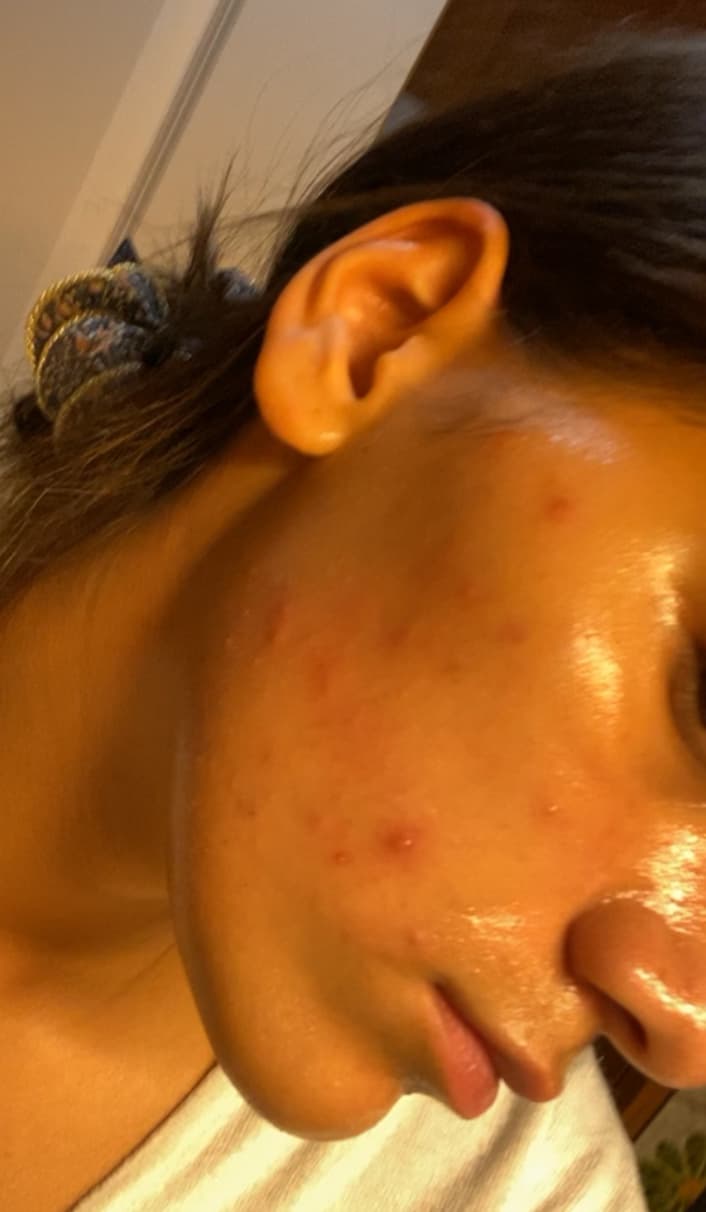 Before
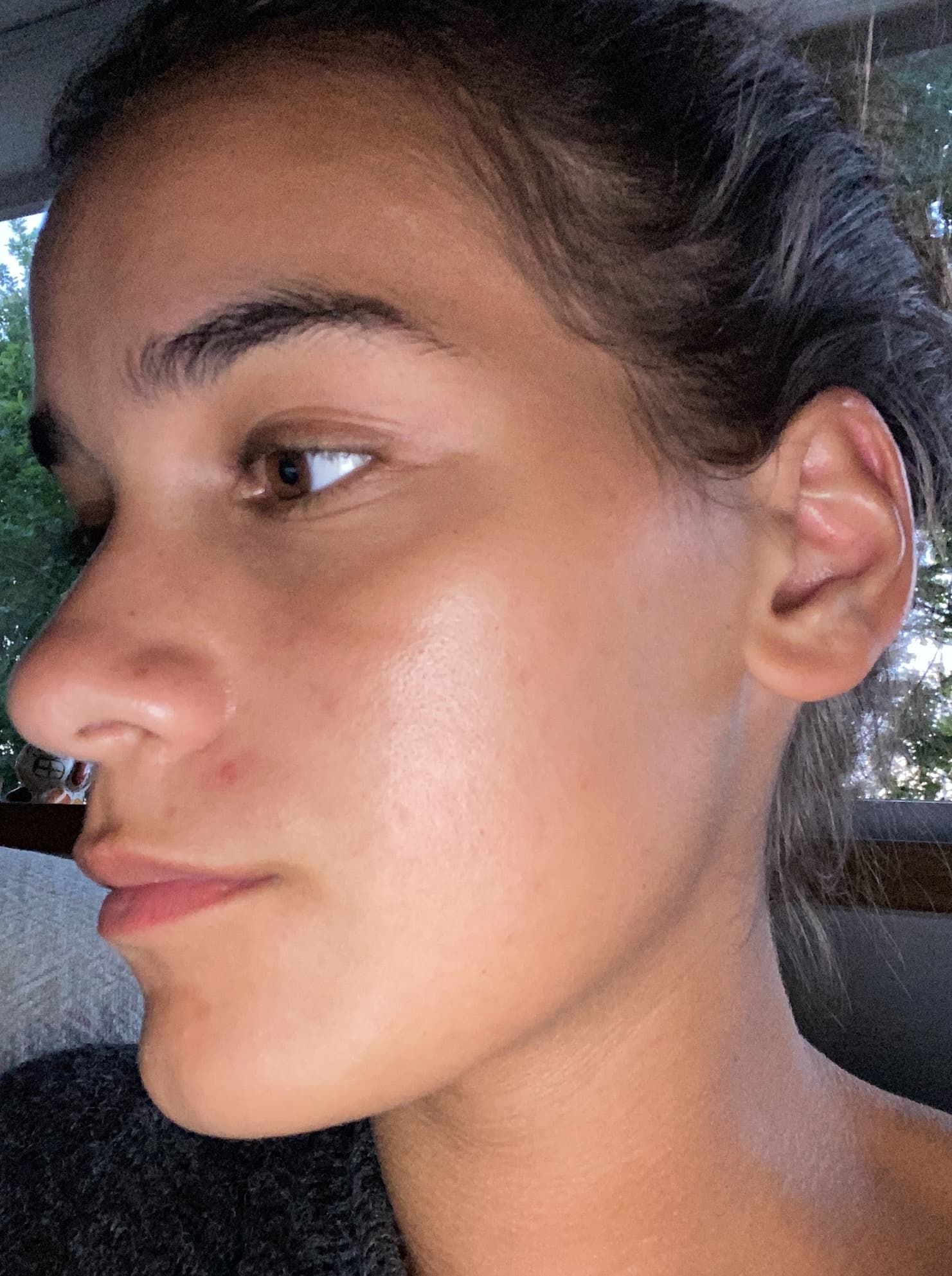 After
After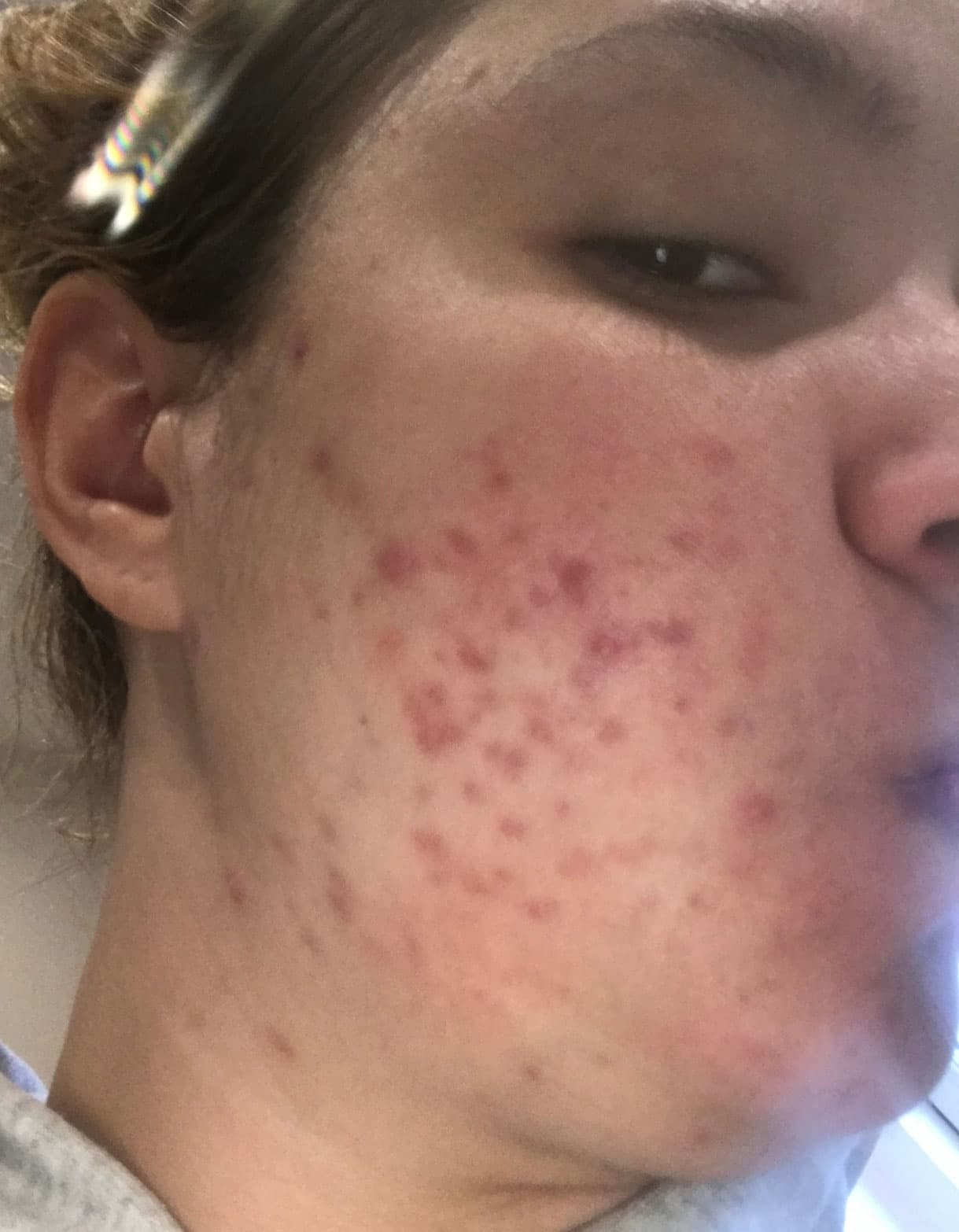 Before
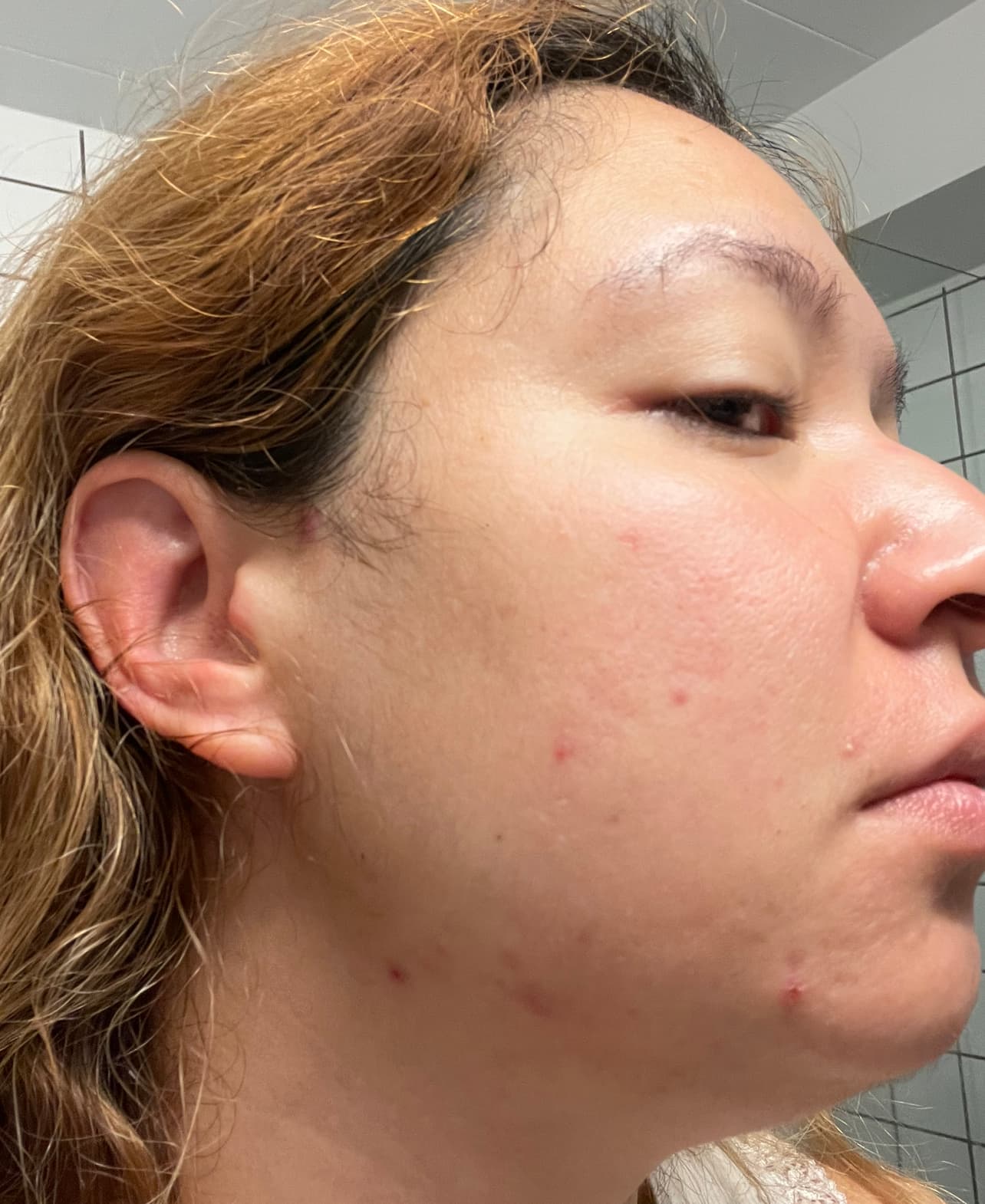 After
After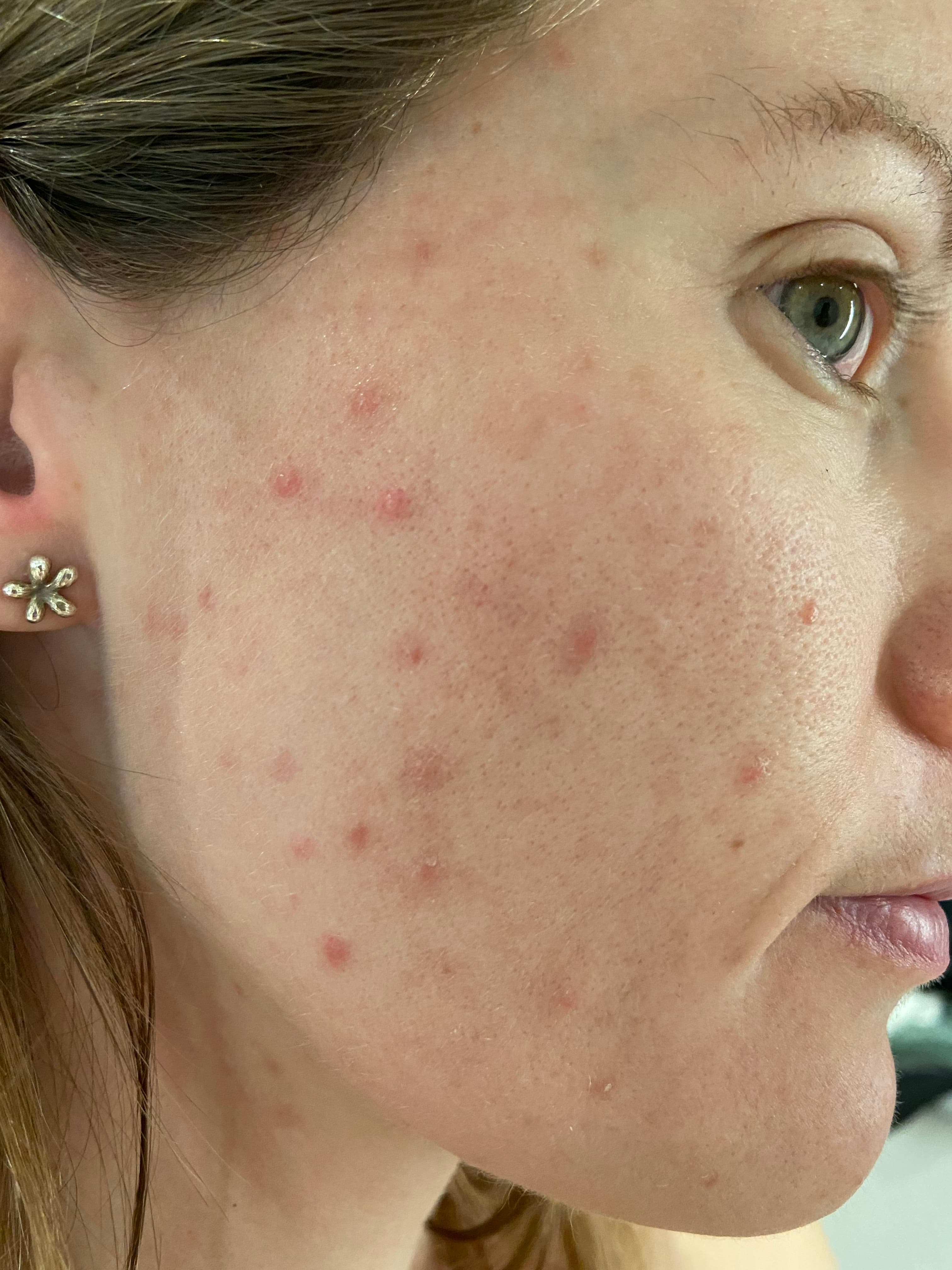 Before
 After
AfterKeep reading
Citations
- Dall'Oglio F, et al. Diet and acne: A systematic review. JAAD Int. 2022;7:95-112.PMID 35373155
- Smith RN, et al. The effect of a high-protein, low glycemic-load diet versus a conventional, high glycemic-load diet on biochemical parameters associated with acne vulgaris. J Am Acad Dermatol. 2007;57(2):247-256.PMID 17448569