Tretinoin
A strongly evidenced prescription retinoid for acne and photoageing. Results are real, but irritation, pregnancy precautions, and the right vehicle need clinician guidance.
At a glance
What Tretinoin does for skin, and how to read the practical safety signals.
- Prescription active: Tretinoin is retinoic acid itself, so skin does not need to convert it from retinol first.
- Acne evidence: Current dermatology guidance strongly recommends topical retinoids as a core acne treatment.
- Photoageing evidence: Controlled trials show improvement in fine wrinkling and other signs of photodamage over months.
- Type
- Prescription retinoid
- Rating
- Pregnancy
- Discuss with a clinician
- Comedogenic rating
- 0/5 (Won't clog pores)
- Vegan
- Yes
- Suited skin types
- Oily,Acne-prone,Combination,Mature
On this page
The short answer
Tretinoin is a prescription retinoid used mainly for acne and, in specific formulations and markets, photodamaged skin.
It is all-trans retinoic acid: the active molecule that cosmetic retinol and retinaldehyde must be converted into. That direct route helps explain both its evidence and its reputation for irritation.
Tretinoin is not a stronger serum to add casually. It is medicine. The indication, concentration, vehicle, amount, frequency, and surrounding routine deserve a clinician’s attention.
What tretinoin does
In acne, tretinoin affects how follicular skin cells stick together and turn over. Current US prescribing information describes reduced cohesiveness of follicular epithelial cells and less microcomedone formation[1]. In ordinary language, it helps prevent the early clogs that later become blackheads, whiteheads, and inflamed spots.
The 2024 AAD acne guideline strongly recommends topical retinoids, including tretinoin, as a core treatment option[2]. That recommendation concerns acne treatment, not every bump on a red face.
Tretinoin also changes signalling linked with collagen and photodamage. A double-blind controlled study found improvement in photoaged facial and forearm skin after 16 weeks, with irritation limited to the tretinoin-treated areas[3].
A later systematic review of randomised trials found consistent improvements in fine wrinkling, mottled pigmentation, roughness, and related photodamage signs across studies lasting from months to two years[4]. Different formulations and outcome measures make exact comparisons difficult.
Tretinoin versus retinol
The vitamin A pathway is easier to understand as a short conversion line:
retinol → retinaldehyde → retinoic acid
Tretinoin already is retinoic acid. Retinol sits two steps away, while retinaldehyde sits one.
That does not mean tretinoin is automatically “better” for every person. A medicine that works on paper but repeatedly leaves the face painful may become a poor real-world routine. Cosmetic retinoids usually trade some strength and evidence for easier access and, often, better tolerability.
Choose based on the goal and medical context, not the idea that the strongest tube wins.
How it is used
Follow the prescription supplied in your country. Strengths and vehicles differ, and tretinoin may come as cream, gel, lotion, or microsphere formulations.
The current DailyMed cream label directs a light application to acne-affected skin and notes that altering the vehicle, concentration, or frequency changes tolerance[1]. That is a reason to speak with the prescriber rather than borrowing an online schedule.
A calm supporting routine usually means:
- a mild cleanser
- the prescribed amount of tretinoin at the prescribed time
- a simple moisturiser if recommended or needed
- appropriate daytime sun protection
- no sudden stack of scrubs, peel pads, and other retinoids
Some prescribers use lower frequency or moisturiser buffering to improve tolerance. Whether that suits the treatment goal is an individual decision.
Irritation and the vehicle
Redness, dryness, peeling, warmth, burning, and stinging are known effects. The label says severe local erythema and peeling can require less frequent use, a temporary pause, or stopping treatment[1].
The base matters too. A cream and gel with the same active percentage may feel different because solvents, emollients, release, and spread change how the medicine meets the skin.
Tell the prescriber when:
- burning continues into the next day
- the skin becomes swollen, blistered, crusted, or very painful
- dermatitis spreads outside the treated area
- rosacea-prone redness becomes clearly less stable
- eye or mouth areas are irritated
Do not use more to speed the result. The label is delightfully direct on this point: excess application does not create faster or better results; it creates more redness, peeling, and discomfort[1].
Tretinoin and rosacea
Tretinoin is not a standard first-line treatment for ordinary rosacea care. Its irritation profile can be a poor match for active burning, flushing, or a damaged barrier.
Retinoids are sometimes used by dermatologists in selected rosacea cases, but that does not make cosmetic self-treatment sensible. The guide to retinol and rosacea explains the limited evidence and the difference between a secondary ageing goal and treating the condition itself.
If a red, bumpy face has never been diagnosed, do not assume it is acne and start tretinoin. Rosacea, perioral dermatitis, contact dermatitis, and acne can overlap in appearance while needing different care.
Pregnancy and breastfeeding
The European Medicines Agency says systemic absorption from topical retinoids is negligible and fetal harm is considered unlikely, but it still advises that topical retinoids should not be used during pregnancy or when planning pregnancy as a precaution[5].
That nuance matters. Avoidance is the recommendation; accidental exposure is not a reason to panic alone. Contact the prescribing clinician, obstetric clinician, or pharmacist for individual advice.
Discuss breastfeeding too, including where the medicine is applied and how infant skin contact will be prevented.
What tretinoin cannot do
Tretinoin will not:
- erase deep acne scars
- close fixed facial blood vessels
- diagnose acne versus rosacea
- compensate for a harsh cleanser and daily peeling
- produce faster results when applied in larger amounts
- replace professional care for severe, scarring, or painful acne
My goal with this guide was to put the useful evidence and the limits in one place. Tretinoin can be excellent medicine. It does not need mythology around it.
The Danish Skin Care Kit does not contain prescription tretinoin. I created it after helping more than 100,000 people with problem skin as a simple supporting routine around documented ingredients and consistent habits. If tretinoin is prescribed, let the prescriber lead the medicine and keep the rest of the bathroom calm. Questions about our routine are always welcome at info@danishskincare.com.
Common questions
Is tretinoin stronger than retinol?
Yes. Tretinoin is retinoic acid, while retinol must be converted in the skin. Tretinoin has stronger clinical evidence and usually more irritation potential.
Can tretinoin help acne?
Yes. Topical retinoids are strongly recommended in current acne guidelines because they reduce microcomedone formation, help unclog pores, and support maintenance.
Can I use tretinoin with rosacea?
Only with individual medical guidance. It is not a routine first-line rosacea treatment and may worsen burning or redness, though retinoids are used in selected clinician-managed cases.
Can I use tretinoin during pregnancy?
No. European regulators advise that topical retinoids should not be used during pregnancy or when planning pregnancy. Discuss alternatives and accidental exposure with a qualified clinician.
Reading a real label?
Scan a product to see how it is formulated
Upload a photo of the ingredient list and get a quick ingredient-by-ingredient read against the evidence-led database.
Skin conditions it actively helps with
Where the published evidence puts Tretinoin on the short list of active ingredients worth reaching for.
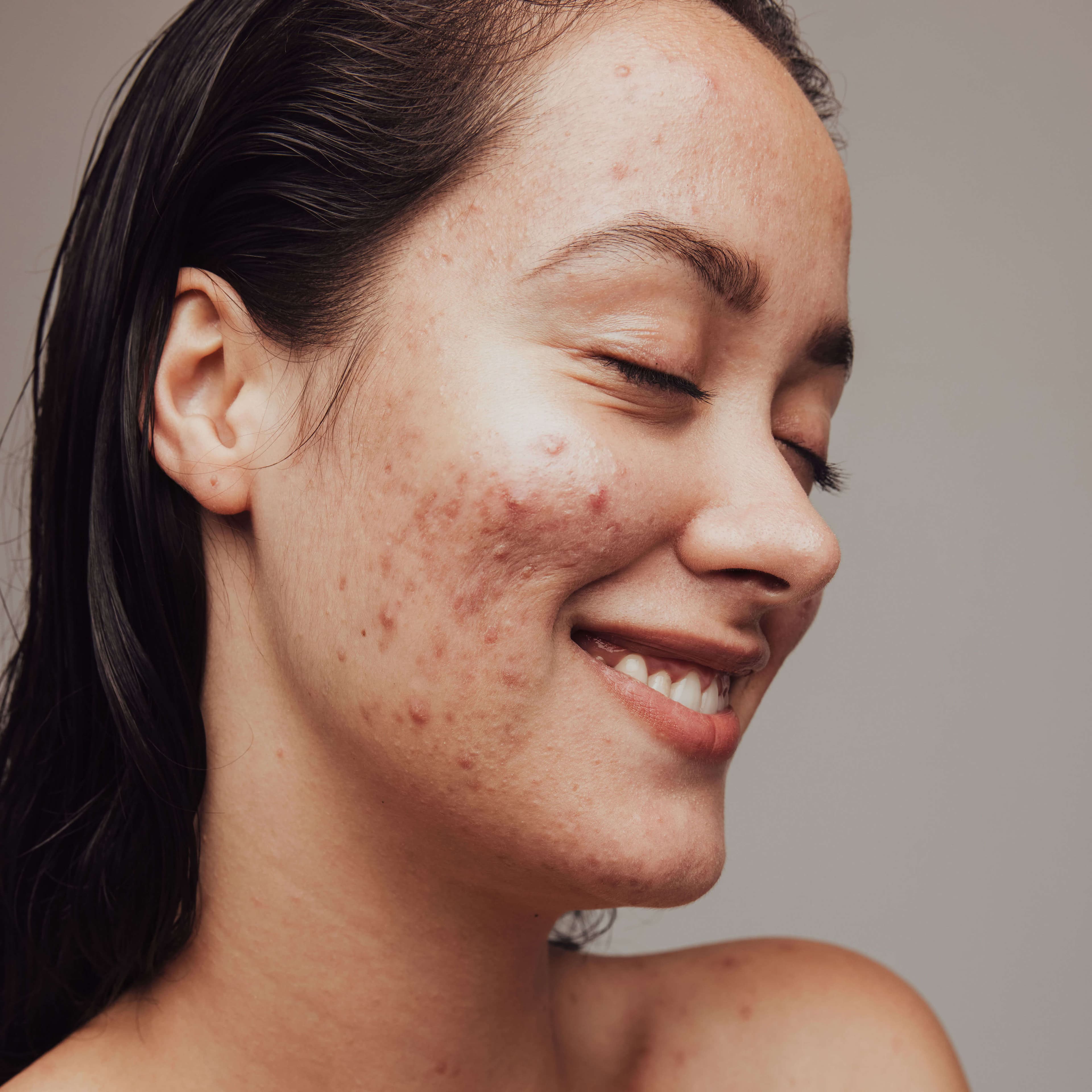
Acne and blemishes
A clear-headed guide to acne: what's actually happening in your skin, what the evidence says works, and a simple routine that doesn't make things worse.
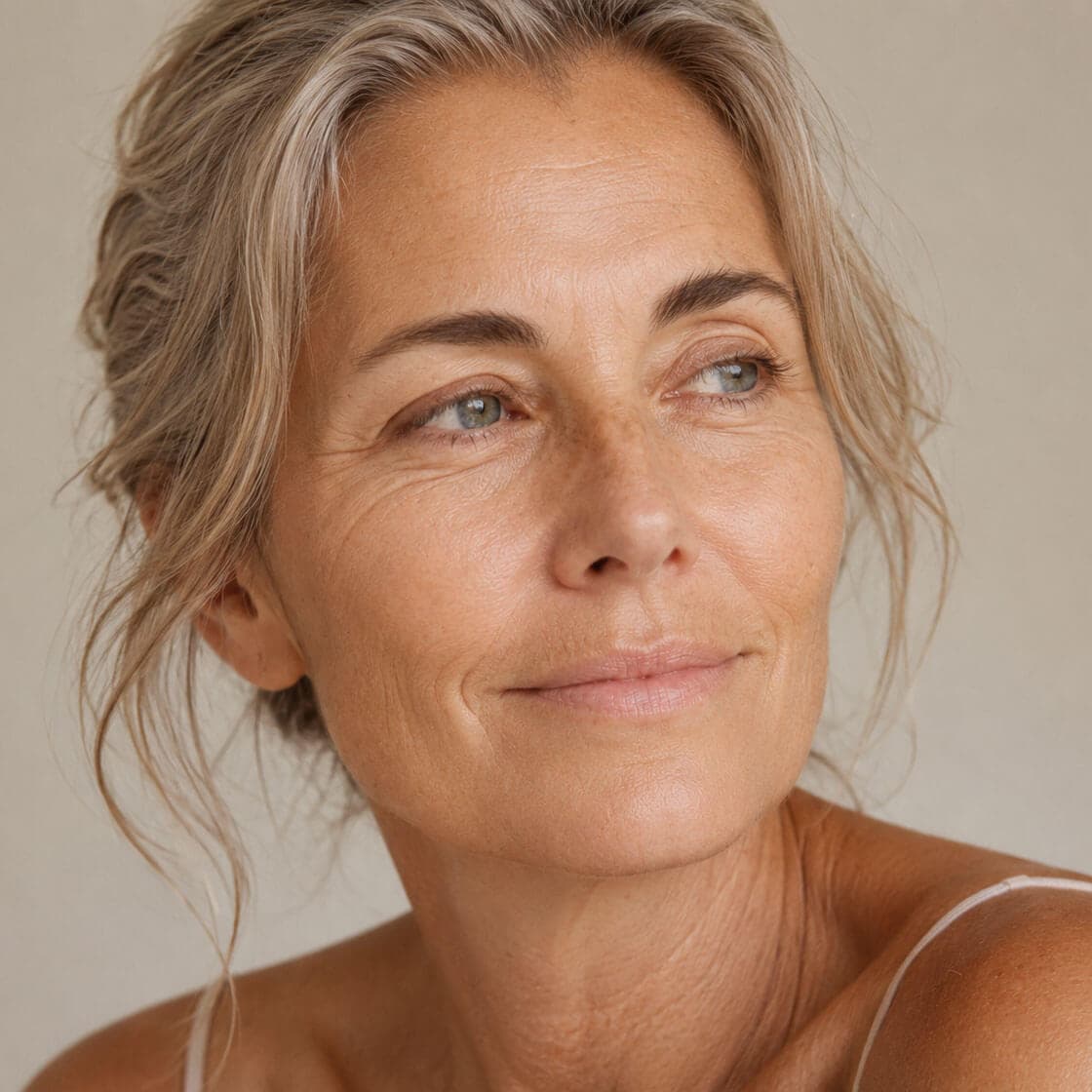
Signs of ageing
Wrinkles, sallowness, slack tone, and uneven pigment all share the same drivers. Here's the unglamorous routine that genuinely slows them.
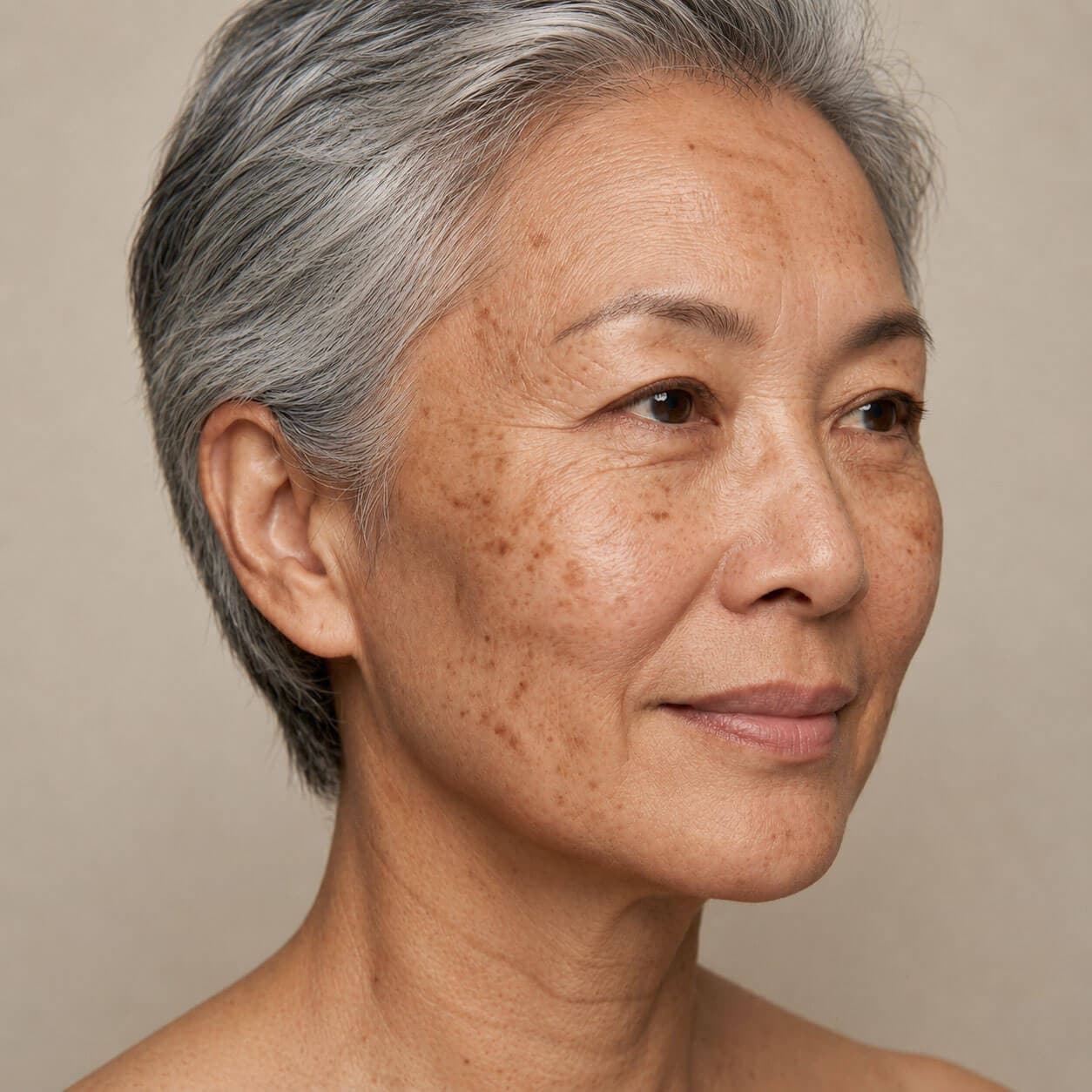
Pigmentation
Pigmentation is one of the most-asked-about, most-misunderstood skin concerns. Here's what's happening in your skin and the slow, evidence-led routine that actually fades it.
Related ingredients
Citations
- DailyMed. Tretinoin Cream USP, 0.025%, prescribing information. — DailyMed
- American Academy of Dermatology Association. Updated guidelines for the management of acne. — AAD
- Weiss JS, Ellis CN, Headington JT, et al. Topical tretinoin improves photoaged skin. A double-blind vehicle-controlled study. JAMA. 1988;259(4):527-532. — PMID 3336176
- Sitohang IBS, et al. Topical tretinoin for treating photoaging: A systematic review of randomized controlled trials. Int J Womens Dermatol. 2022;8(1):e003. — PMCID PMC9112391
- European Medicines Agency. Retinoid-containing medicinal products: updated measures for pregnancy prevention. — EMA