
Behenyl Alcohol
A long-chain fatty alcohol that helps creams feel smoother and more stable. Texture and comfort support — not a treatment active, and not the drying alcohol many people fear.
At a glance
What Behenyl Alcohol does for skin, and how to read the practical safety signals.
- Behenyl alcohol is a fatty alcohol, not the same chemistry as ethanol or alcohol denat in harsh toners.
- Helps day creams and moisturisers feel creamier, softer, and more spreadable alongside emulsifiers such as arachidyl glucoside.
- Acne-prone skin should judge the whole formula; behenyl alcohol itself has low comedogenic concern in standard references.
- Type
- Fatty alcohol
- Rating
- Pregnancy
- Considered safe
- Comedogenic rating
- 1/5 (Low clogging risk)
- Vegan
- Yes
- Suited skin types
- All skin types
On this page
The short answer
Behenyl alcohol is another ingredient name that makes people squint at the word alcohol.
Relax. This is not the sharp, evaporating kind from astringent toners.
Behenyl alcohol is a long-chain fatty alcohol. In skincare it helps creams and lotions feel smoother, thicker, and more stable — the quiet work that makes a moisturiser actually feel like a moisturiser.
It is not an exfoliant. It is not an acne active. It is formulation comfort — which, boring as it sounds, is often what keeps people using the products that actually help.
Fatty alcohol vs drying alcohol
The word alcohol covers a lot of chemistry.
Short-chain alcohols such as ethanol can feel light, cooling, and sometimes drying depending on the formula and your barrier.
Fatty alcohols are waxy, longer-chain ingredients used to soften, thicken, and stabilise emulsions.
A CIR safety report on cetearyl alcohol, cetyl alcohol, isostearyl alcohol, myristyl alcohol, and behenyl alcohol concluded that those fatty alcohols are safe as cosmetic ingredients in current use practices[1]. That is the same evidence family behind arachidyl alcohol, which often sits beside behenyl alcohol in the same cream.
So when someone says "alcohol-free" skincare, the conversation is already muddy. Some alcohols may feel harsh in certain products. Fatty alcohols usually make formulas feel richer and more comfortable.
Same word. Different behaviour. Skincare loves making simple things dramatic.
Why formulators pair behenyl and arachidyl alcohol
Behenyl alcohol often appears in the same emulsion system as:
- Arachidyl alcohol: another fatty alcohol for softness and body.
- Arachidyl glucoside: an emulsifier that helps water and oil phases stay together.
- Aqua: the water phase that carries humectants and actives.
A 2013 safety assessment of alkyl glucosides used in cosmetics, including glucoside emulsifiers in similar cream systems, supports their safe use in current cosmetic practice[2]. The practical takeaway for readers is not memorising emulsifier chemistry. It is this: these ingredients help a cream stay mixed, spread evenly, and feel pleasant — which matters enormously for dry and sensitive skin that will not tolerate a gritty, separating formula.
Who should care — and who should not panic
Behenyl alcohol makes sense when you want:
- a day cream that spreads easily under SPF filters
- a night moisturiser that feels nourishing without turning into grease
- a routine your skin can keep using while retinol or niacinamide does slower work
It is a poor target for ingredient witch hunts. If a cream breaks you out, look at the whole formula: comedogenic oils, heavy silicones in the wrong base for your skin, fragrance, or simply a texture your pores dislike — not behenyl alcohol alone.
For signs of ageing, behenyl alcohol is not the active. Retinoids, SPF habits, and antioxidants do the documented work. Behenyl alcohol helps the vehicle feel worth applying.
The practical takeaway
My goal with this guide was to gather the useful science on behenyl alcohol in one place, so you can stop hunting for the next clever fix and do the simple, effective things your skin actually needs.
That is also why I made the Danish Skin Care Kit: a calm routine built around documented ingredients, and one that has helped more than 100,000 people with problem skin. If even the smallest question is still nagging you, send me an email at info@danishskincare.com.
Common questions
Is behenyl alcohol drying?
No. Behenyl alcohol is a long-chain fatty alcohol used to soften and thicken creams. It behaves very differently from drying alcohols such as ethanol or alcohol denat.
What is the difference between behenyl alcohol and arachidyl alcohol?
Both are fatty alcohols that help texture and emollience. They often appear together in the same emulsion system, with arachidyl alcohol and arachidyl glucoside stabilising the cream around behenyl alcohol's thickening support.
Should acne-prone skin avoid behenyl alcohol?
Usually not in a well-formulated product. Judge the full INCI list and how your skin responds over several weeks, not one texture ingredient in isolation.
Reading a real label?
Scan a product to see how it is formulated
Upload a photo of the ingredient list and get a quick ingredient-by-ingredient read against the evidence-led database.
Found in these Danish Skin Care products

Behenyl alcohol helps the morning cream stay creamy and spreadable around niacinamide, SPF filters, zinc PCA, and panthenol.

Used in the night moisturiser texture system alongside arachidyl alcohol, retinol, urea, and sodium hyaluronate.

The Kit includes behenyl alcohol in the Day Protector and Moisturizer so the routine feels comfortable enough for daily use.
Skin conditions it actively helps with
Where the published evidence puts Behenyl Alcohol on the short list of active ingredients worth reaching for.
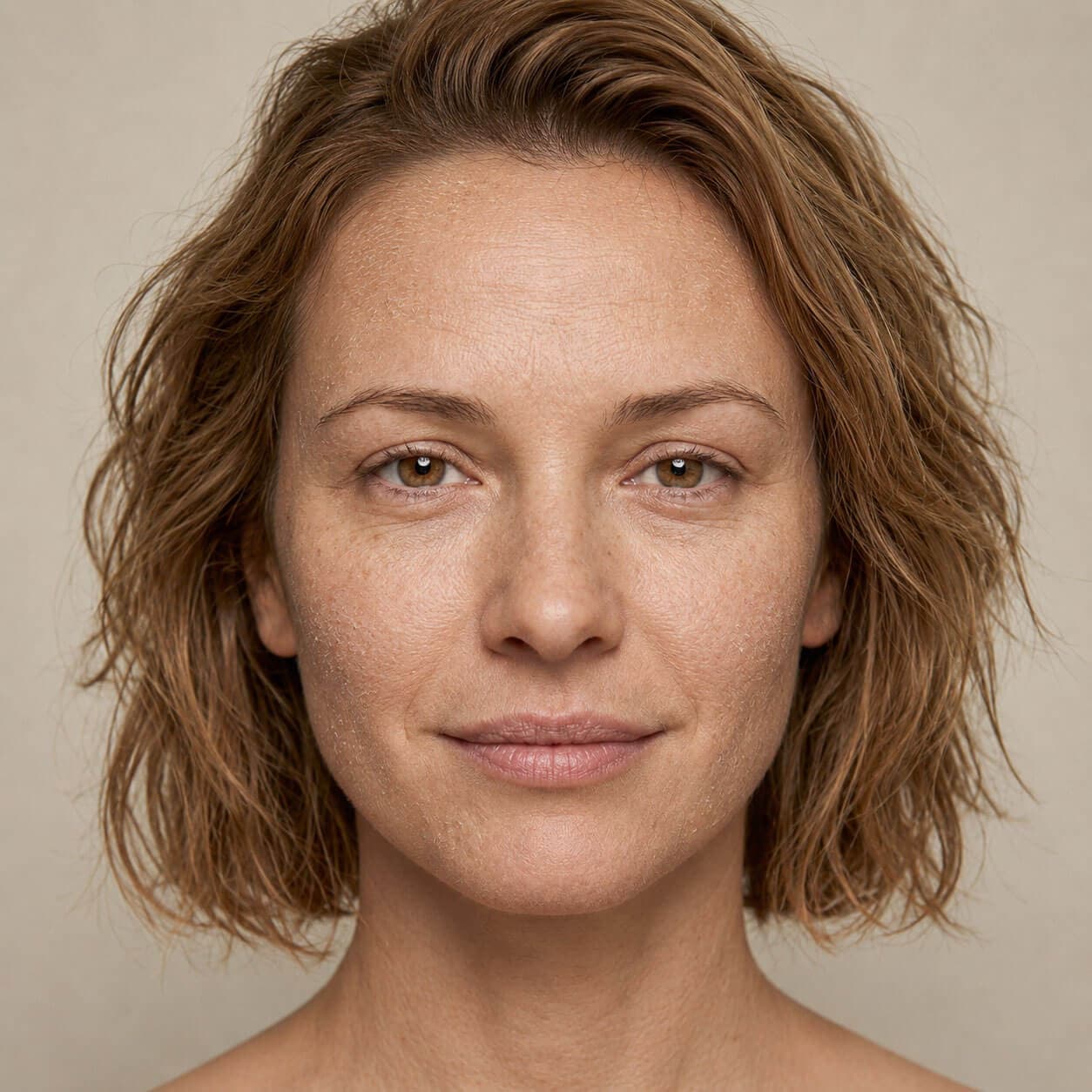
Dry skin
Dry skin is usually a barrier problem, not simply a water problem. Here's the difference between dry and dehydrated, why it matters, and the routine that actually helps.
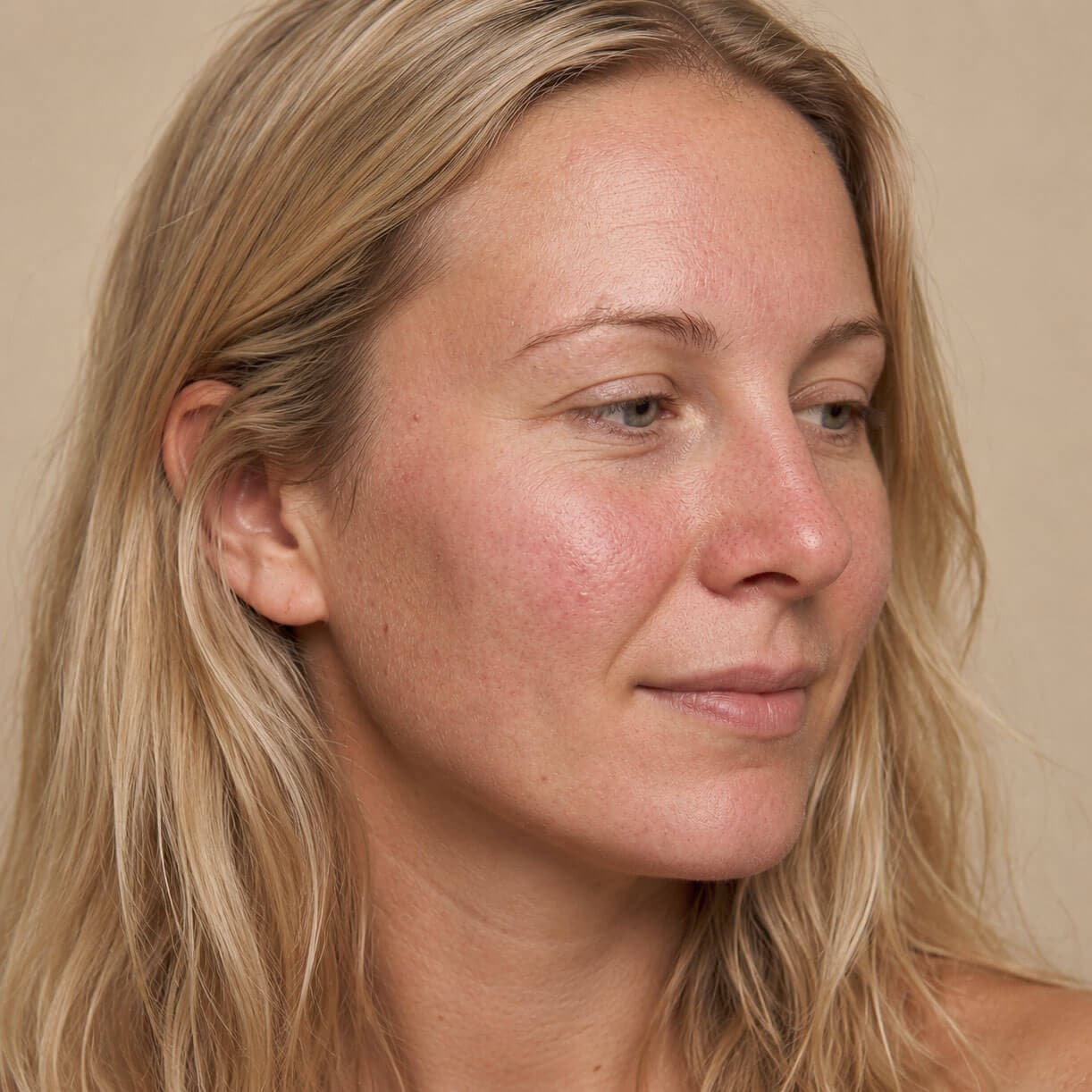
Sensitive skin
"Sensitive" is a symptom, not a diagnosis. Learn what drives reactive skin, the routine that calms it, and what to leave out.
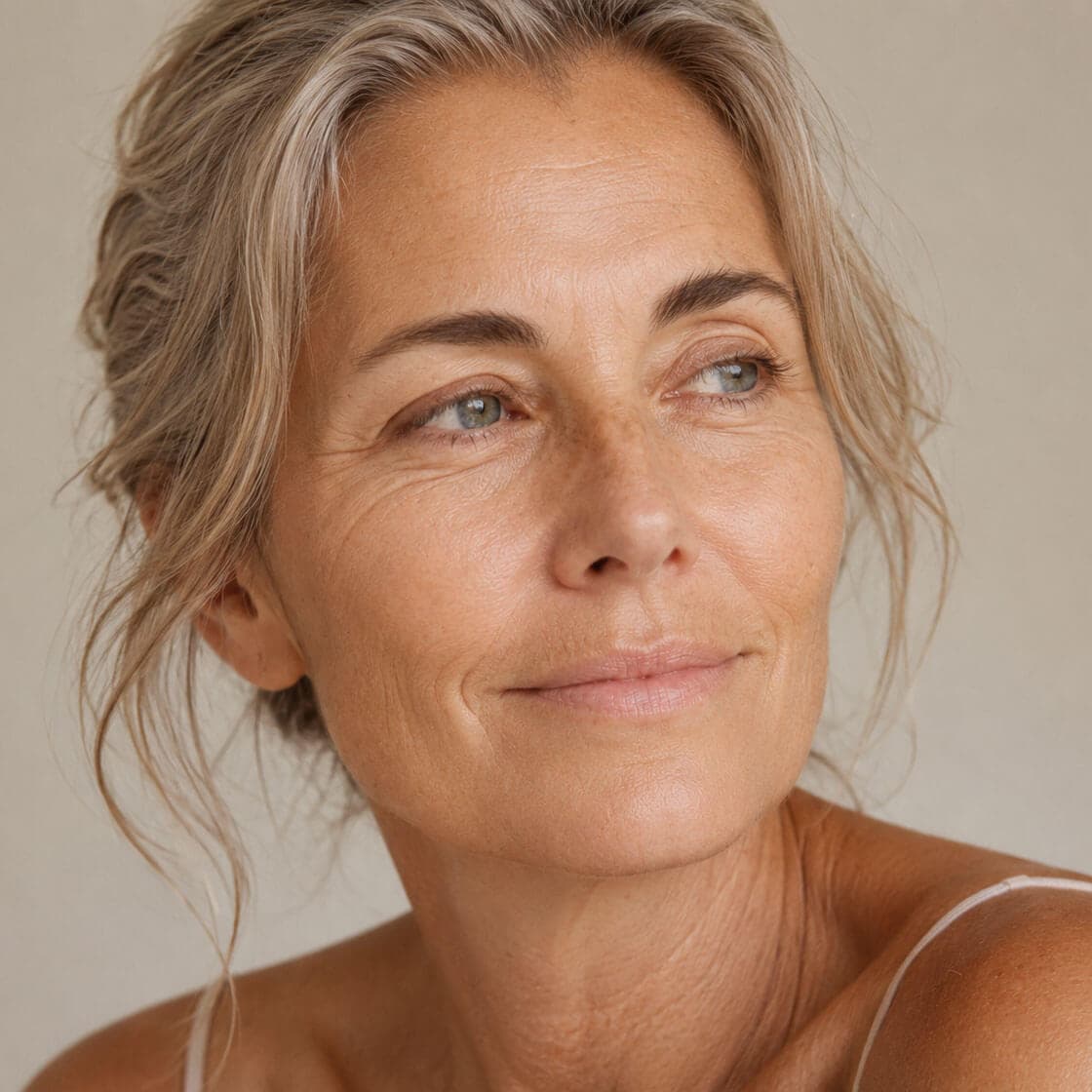
Signs of ageing
Wrinkles, sallowness, slack tone, and uneven pigment all share the same drivers. Here's the unglamorous routine that genuinely slows them.
Related ingredients
Citations
- Elder RL. Final report on the safety assessment of cetearyl alcohol, cetyl alcohol, isostearyl alcohol, myristyl alcohol, and behenyl alcohol. J Am Coll Toxicol. 1988;7(3):359-413. — DOI 10.3109/10915818809023137
- Fiume MM, Heldreth B, Bergfeld WF, et al. Safety assessment of decyl glucoside and other alkyl glucosides as used in cosmetics. Int J Toxicol. 2013;32(5 Suppl):22S-48S. — PMID 24174472