
Arachidyl Glucoside
A plant-derived-style emulsifier used to help oil and water stay together in comfortable creams. Generally useful and low-drama, though glucoside allergy is possible for a small minority.
At a glance
What Arachidyl Glucoside does for skin, and how to read the practical safety signals.
- Helps water and oil phases stay mixed so creams and sunscreens feel stable and elegant.
- Usually works as formula support beside fatty alcohols such as arachidyl alcohol.
- Alkyl glucosides are generally considered safe when formulated to be non-irritating, but contact allergy can happen.
- Type
- Emulsifier
- Rating
- Pregnancy
- Considered safe
- Comedogenic rating
- 0/5 (Won't clog pores)
- Vegan
- Yes
- Suited skin types
- All skin types
On this page
The short answer
Arachidyl glucoside is an emulsifier.
That means its job is not to make your pores behave, fade pigmentation, or perform a small miracle under flattering bathroom lighting.
Its job is to help oil and water stay together in a stable, pleasant formula.
In skincare, that is more important than it sounds. A cream that separates, drags, pills, or feels unpleasant will not become part of your real life. A well-built emulsion has a much better chance.
Arachidyl glucoside is often used beside arachidyl alcohol and aqua to create comfortable moisturiser and sunscreen textures.
What it does in a formula
Skincare formulas are often tiny peace negotiations between water-loving and oil-loving ingredients.
Arachidyl glucoside helps with that negotiation. It can support:
- Emulsion stability: helping oil and water phases remain mixed.
- Texture: making creams feel smoother and more elegant.
- Ingredient distribution: helping the formula apply more evenly.
- Routine consistency: making moisturisers and sunscreens feel easier to use every day.
This is why I like ingredients like this more than their fame level suggests.
No one buys a product because they are emotionally moved by emulsion stability. But everyone notices when a product feels wrong.
What the evidence says
Arachidyl glucoside belongs to the alkyl glucoside family. A CIR safety assessment reviewed 19 alkyl glucosides, including arachidyl glucoside, and concluded they are safe in present cosmetic practices and concentrations when formulated to be non-irritating[1].
The same assessment notes that most alkyl glucosides function as surfactants, while some also function as skin-conditioning agents, hair-conditioning agents, or emulsion stabilizers[1]. That fits the practical use here: formula support, not a stand-alone skin treatment.
So the useful takeaway is not "arachidyl glucoside is an active."
It is: this ingredient helps make the active-containing formula behave.
The allergy nuance
Here is the calm caveat.
Alkyl glucosides are generally considered mild and useful, but they can cause allergic contact dermatitis in a small minority of people.
A 2018 Contact Dermatitis report specifically described arachidyl glucoside as a cosmetic allergen in an individual case[2]. A later patch-testing study found that reactions to alkyl glucosides were not universal, but concomitant reactions between different glucosides were common among people who reacted[3].
That does not mean everyone should fear it. It means we should avoid lazy absolutes.
If your skin is extremely reactive, or you have a confirmed alkyl glucoside allergy, this is worth knowing. If your skin tolerates your current moisturiser or sunscreen well, there is no reason to panic because this ingredient appears near the bottom of the list.
Good skincare should reduce worry, not give you a new ingredient to stare at suspiciously every night.
Where it fits in a simple routine
Arachidyl glucoside is common in products where texture matters:
- moisturisers
- day creams
- sunscreens
- treatment creams
- richer lotions
It pairs naturally with arachidyl alcohol, fatty alcohols, humectants, emollients, and water-based phases.
That kind of support matters in formulas containing ingredients such as niacinamide, SPF filters, retinol, urea, panthenol, and sodium hyaluronate. The active ingredients may get the headlines, but the supporting structure decides whether the product is pleasant enough to keep using.
In my experience, this is where many routines succeed or fail. Not because one person understood emulsifiers better than another. Because the routine either felt easy enough to repeat, or it did not.
The practical takeaway
My goal with this guide was to gather the useful science on arachidyl glucoside in one place, so you can stop hunting for the next clever fix and do the simple, effective things your skin actually needs.
That is also why I made the Danish Skin Care Kit: a calm routine built around documented ingredients, and one that has helped more than 100,000 people with problem skin. If even the smallest question is still nagging you, send me an email at info@danishskincare.com.
Common questions
What does arachidyl glucoside do in skincare?
It mainly works as an emulsifier and stabiliser, helping water and oil phases stay mixed in creams, moisturisers, and sunscreens.
Is arachidyl glucoside an active ingredient?
Not in the usual skincare sense. It supports the formula texture and stability rather than treating acne, pigmentation, wrinkles, or redness directly.
Can arachidyl glucoside cause allergy?
Rarely, yes. Alkyl glucosides are generally considered safe when formulated well, but patch-test literature has reported contact allergy in some people.
Reading a real label?
Scan a product to see how it is formulated
Upload a photo of the ingredient list and get a quick ingredient-by-ingredient read against the evidence-led database.
Found in these Danish Skin Care products

Arachidyl glucoside helps stabilise the day cream emulsion around SPF filters, niacinamide, aloe, oat, panthenol, and texture-support ingredients.

Used in the night moisturiser to support the cream structure around retinol, urea, sodium hyaluronate, panthenol, and soothing ingredients.

The Kit includes arachidyl glucoside through the Day Protector and Moisturizer, where it helps keep daily textures smooth and consistent.
Skin conditions it actively helps with
Where the published evidence puts Arachidyl Glucoside on the short list of active ingredients worth reaching for.

Dry skin
Dry skin is usually a barrier problem, not simply a water problem. Here's the difference between dry and dehydrated, why it matters, and the routine that actually helps.
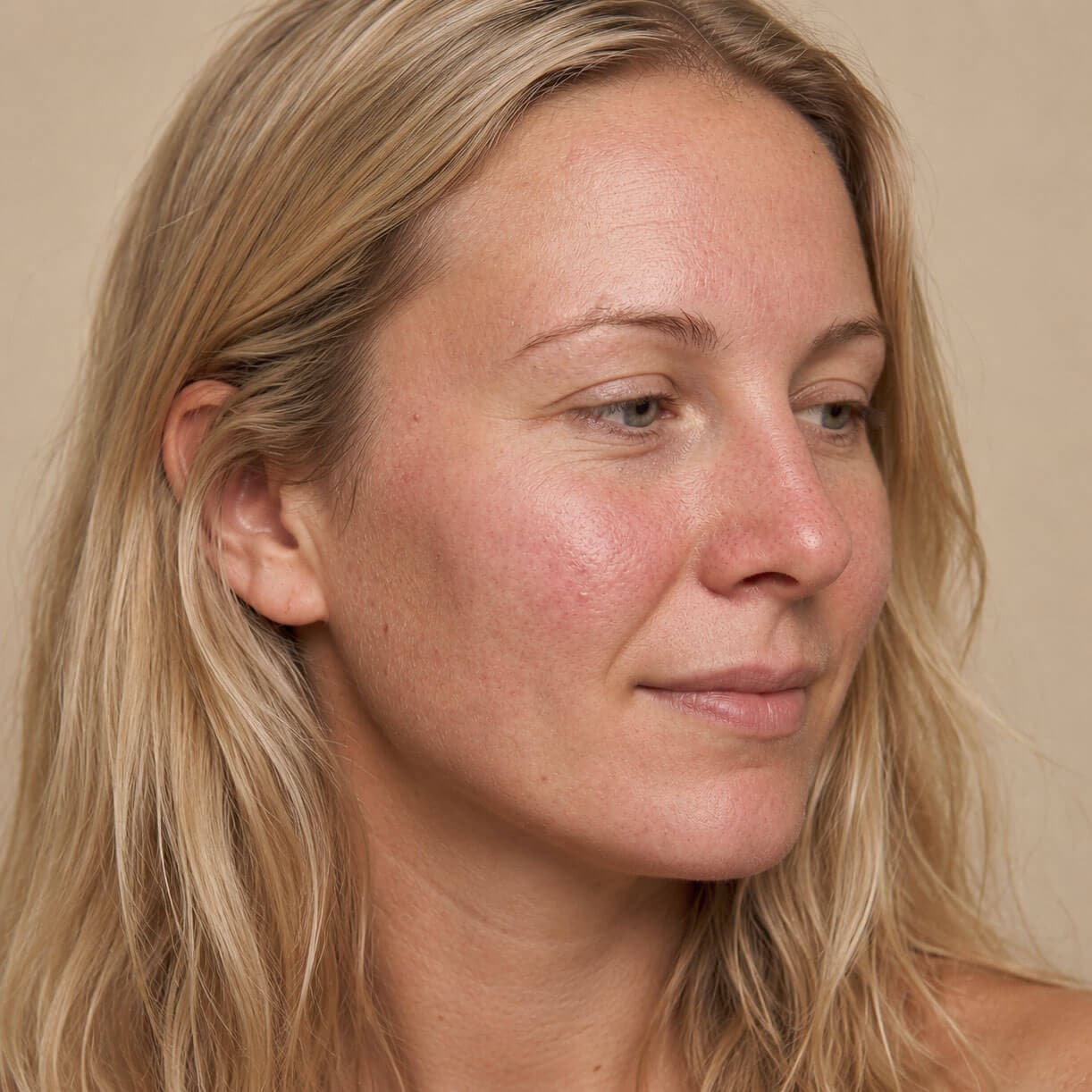
Sensitive skin
"Sensitive" is a symptom, not a diagnosis. Learn what drives reactive skin, the routine that calms it, and what to leave out.
Related ingredients
Citations
- Fiume MM, Heldreth B, Bergfeld WF, et al. Safety assessment of decyl glucoside and other alkyl glucosides as used in cosmetics. Int J Toxicol. 2013;32(5 Suppl):22S-48S. — PMID 24174472
- Boucneau F, Goossens A. Arachidyl glucoside: Another cosmetic allergen. Contact Dermatitis. 2018;79(5):312-313. — DOI 10.1111/cod.13077
- Deza G, Gimenez-Arnau AM. Patch testing with alkyl glucosides: Concomitant reactions are common but not ubiquitous. Contact Dermatitis. 2019;80(5):286-290. — DOI 10.1111/cod.13186