
Pimecrolimus
A prescription non-steroid anti-inflammatory with small trials supporting short-term improvement in perioral dermatitis. It needs the right diagnosis and prescriber oversight.
At a glance
What Pimecrolimus does for skin, and how to read the practical safety signals.
- Prescription role: Pimecrolimus is officially indicated for selected cases of mild-to-moderate atopic dermatitis, not as ordinary skincare.
- Perioral dermatitis: Small controlled trials found faster short-term improvement, especially in steroid-associated cases, but this use is off-label.
- Tolerance: Burning, warmth, or stinging at the application site can occur, especially early in treatment.
- Type
- Prescription calcineurin inhibitor
- Rating
- Pregnancy
- Discuss with a clinician
- Comedogenic rating
- 0/5 (Won't clog pores)
- Vegan
- Yes
- Suited skin types
- All skin types
On this page
The short answer
Pimecrolimus is a prescription anti-inflammatory cream. It belongs to the topical calcineurin inhibitor family and is not a corticosteroid.
Its official indication is selected mild-to-moderate atopic dermatitis. Dermatologists sometimes prescribe 1% pimecrolimus off-label for perioral dermatitis, particularly when facial steroid exposure is part of the history.
This is medicine, not a soothing ingredient to add from a trend list.
How pimecrolimus works
Calcineurin helps activate T cells and inflammatory messenger production. Pimecrolimus inhibits that pathway, reducing parts of the local immune response in the treated skin.
The useful practical distinction is that pimecrolimus can calm inflammation without the skin-thinning risk associated with repeated topical corticosteroid exposure. That does not make it risk-free or suitable for every facial rash.
The US prescribing information[4] calls it second-line treatment for certain cases of atopic dermatitis in non-immunocompromised people aged two years and older. Perioral dermatitis is an off-label use, so the prescriber is applying evidence and clinical judgment beyond the approved indication.
What the perioral dermatitis trials show
One small randomised, double-blind study followed 40 adults for four weeks of treatment and four weeks afterward. Pimecrolimus 1% reduced the Perioral Dermatitis Severity Index more than vehicle during treatment[1]. At week two, 50% of the pimecrolimus group and 25% of the vehicle group had improved by at least half, although that responder-rate difference did not reach statistical significance. The group difference was no longer significant at follow-up.
A separate multicentre randomised trial in 124 adults found that pimecrolimus improved severity more than vehicle during treatment, with the largest benefit in people whose dermatitis had been induced by topical corticosteroids[2].
Those trials support short-term symptom improvement. They do not prove permanent clearance, and they do not show that everyone with bumps around the mouth should use the medicine.
An evidence review[3] concluded that topical pimecrolimus can reduce disease severity quickly, particularly after corticosteroid exposure, while it does not clearly shorten the time to complete resolution.
That is a useful, modest claim: possible faster calming, not a guaranteed cure.
Why a clinician might choose it
A qualified clinician may consider pimecrolimus when:
- perioral dermatitis has been diagnosed
- a facial steroid appears to be perpetuating the eruption
- a non-steroid topical option fits the withdrawal plan
- the affected area is sensitive to other medicines
- the expected benefit outweighs label cautions
Pimecrolimus may also be used for atopic dermatitis in areas where repeated steroid exposure is difficult, including facial or fold skin. The diagnosis determines why it is being prescribed.
Do not share the cream between family members or use an old tube on a new rash. Rosacea, contact dermatitis, eczema, infection, and perioral dermatitis can look remarkably similar in ordinary bathroom lighting.
How prescription use fits a routine
Follow the directions on your own prescription. The FDA label for atopic dermatitis describes a thin layer twice daily, avoidance of occlusive dressings, and re-examination if signs persist beyond six weeks[4]. An off-label perioral dermatitis plan may use a different duration or context.
Keep surrounding skincare plain:
- cleanse with lukewarm water
- avoid rubbing the affected area
- pause optional acids, retinoids, and scrubs
- use moisturiser only if it fits the clinician's plan
- keep the cream out of the eyes and mouth
- wash your hands after application unless the hands are being treated
The perioral dermatitis skincare routine explains how zero therapy and prescription care can share the same calm plan.
Side effects and label warnings
Application-site burning is one of the most common side effects in the prescribing information[4]. Warmth, stinging, redness, headache, and infections were also reported in trials or post-marketing data.
Contact the prescriber if:
- burning is strong or persistent
- the rash spreads or looks infected
- swelling or blistering develops
- the medicine reaches the eye
- symptoms remain unchanged or worsen
The US label carries a boxed warning because long-term safety of topical calcineurin inhibitors has not been established and rare malignancies have been reported, without proof of a causal relationship. It advises avoiding continuous long-term use and limiting application to involved areas[4].
That warning deserves context, not panic. Use the medicine for the reason, area, and duration the prescriber chose. Do not turn a short targeted treatment into an open-ended daily habit.
Pregnancy, breastfeeding, and children
The label states that available pregnancy data are insufficient to establish a drug-associated risk. It is not indicated below age two. Breastfeeding decisions need individual advice, including where the cream will be applied and whether a child could contact treated skin[4].
Ask the prescribing clinician rather than relying on a “safe” badge. This is especially important for facial use, pregnancy, breastfeeding, children, immune suppression, or recurrent infections.
What pimecrolimus cannot do
Pimecrolimus cannot:
- diagnose perioral dermatitis
- replace withdrawal of an aggravating facial steroid
- guarantee the eruption will not return
- treat every acne-like bump
- go inside the eye
- replace urgent care for eye pain, swelling, or visual change
If the rash is around the eyes, read the guide to perioral dermatitis around the eyes and get the pattern checked.
The practical takeaway
Pimecrolimus is a useful prescription option in selected cases. The evidence for perioral dermatitis is small but meaningful: controlled trials show better short-term improvement than the vehicle, especially in steroid-associated disease.
My goal with this guide was to gather the useful science on pimecrolimus so you can stop chasing the next clever fix and focus on a simple, effective routine.
That is also why I created the Danish Skin Care Kit: the straightforward routine I built after helping more than 100,000 people with problem skin. It does not treat perioral dermatitis or replace a prescription. Once your clinician says the flare is settled, it can provide a simple baseline instead of another product experiment. Email info@danishskincare.com with routine questions; medicine questions belong with your prescriber.
Common questions
What is pimecrolimus cream used for?
It is a prescription topical calcineurin inhibitor officially used for selected cases of mild-to-moderate atopic dermatitis. Clinicians may use it off-label for perioral dermatitis.
Is pimecrolimus a steroid?
No. It reduces inflammatory signalling through calcineurin inhibition and does not cause steroid-related skin thinning, but it has its own precautions and label warnings.
Does pimecrolimus cure perioral dermatitis?
No treatment guarantees a cure. Small trials show short-term improvement, while recurrence and the need to remove aggravating products remain important.
Can pimecrolimus be used around the eyes?
Only as directed by a prescriber. The cream is for skin, not the eye, and an undiagnosed eye-area rash has several possible causes.
Reading a real label?
Scan a product to see how it is formulated
Upload a photo of the ingredient list and get a quick ingredient-by-ingredient read against the evidence-led database.
Skin conditions it actively helps with
Where the published evidence puts Pimecrolimus on the short list of active ingredients worth reaching for.
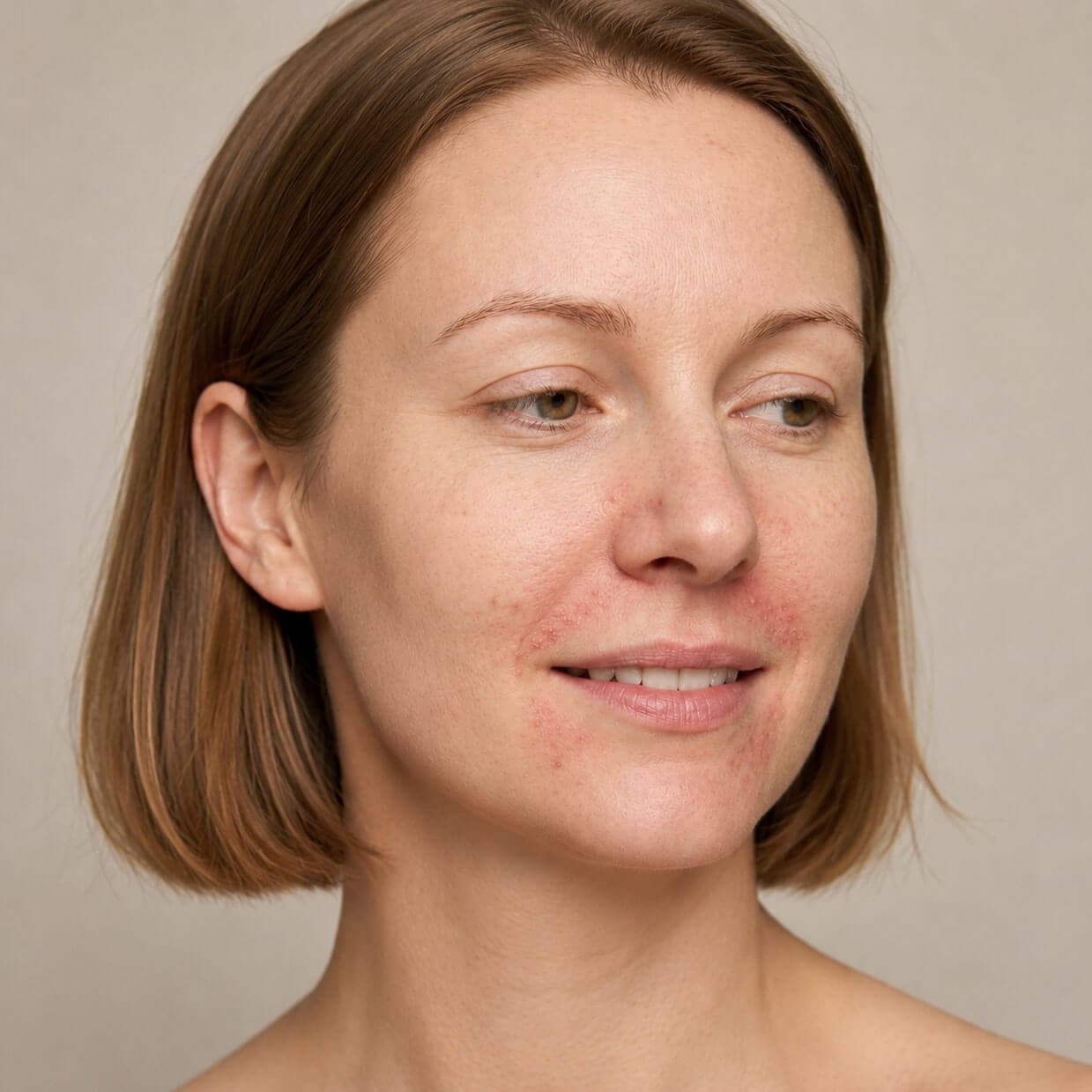
Perioral dermatitis
Small inflammatory bumps around the mouth, nose or eyes can be perioral dermatitis. Learn how to recognise the pattern, simplify your routine with clinical guidance and get treatment when you need it.
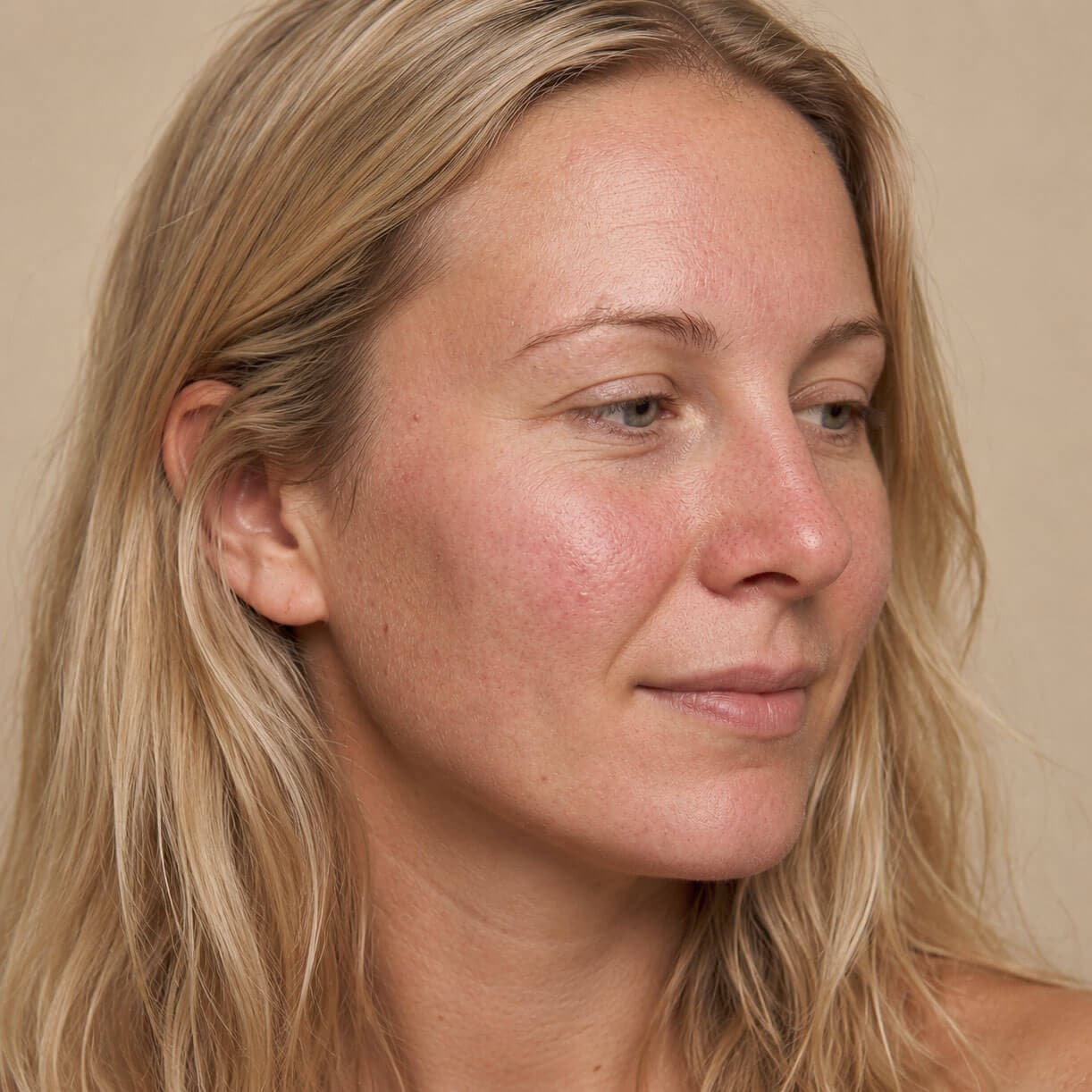
Sensitive skin
"Sensitive" is a symptom, not a diagnosis. Learn what drives reactive skin, the routine that calms it, and what to leave out.
Related ingredients
Citations
- Oppel T, Pavicic T, Kamann S, Bräutigam M, Wollenberg A. Pimecrolimus cream (1%) efficacy in perioral dermatitis - results of a randomized, double-blind, vehicle-controlled study in 40 patients. J Eur Acad Dermatol Venereol. 2007;21(9):1175-1180. doi:10.1111/j.1468-3083.2007.02191.x. — PMID 17894701
- Schwarz T, et al. A randomized, double-blind, vehicle-controlled study of 1% pimecrolimus cream in adult patients with perioral dermatitis. J Am Acad Dermatol. 2008;59(1):34-40. — PMID 18462835
- Hall CS, Reichenberg J. Evidence based review of perioral dermatitis therapy. G Ital Dermatol Venereol. 2010;145(4):433-444. — PMID 20823788
- US Food and Drug Administration. ELIDEL (pimecrolimus) Cream, 1% prescribing information. — FDA