
Glyceryl Stearate
A classic emollient and emulsifier that helps oil and water stay together in creams. More formula architecture than treatment active.
At a glance
What Glyceryl Stearate does for skin, and how to read the practical safety signals.
- Emulsion helper: Helps water and oil phases become a smooth, stable cream.
- Skin feel: Adds softness and body so moisturisers feel more comfortable.
- Not a treatment active: It supports the formula; it does not clear acne or fade pigmentation.
- Type
- Emollient emulsifier
- Rating
- Pregnancy
- Considered safe
- Comedogenic rating
- 1/5 (Low clogging risk)
- Vegan
- Yes
- Suited skin types
- All skin types
On this page
The short answer
Glyceryl stearate is an emollient emulsifier.
That means it helps formulas feel softer and helps oil and water stay mixed in creams and lotions. It is not the ingredient that gets a dramatic before-and-after post. It is the reason the moisturiser does not separate into a sad little science fair.
What the evidence actually shows
Cosmetic safety. The original Cosmetic Ingredient Review safety assessment[1] concluded that glyceryl stearate and glyceryl stearate SE were safe for topical application in current practices of use and concentration. A later CIR review[2] reassessed monoglyceryl monoesters and continued the same general safety frame.
Moisturiser role. A moisturiser review[3] explains why finished formulas rely on emollients, humectants, and occlusive support rather than one heroic ingredient. Glyceryl stearate belongs to the emollient and structure side of that system.
Why formulators use it
Glyceryl stearate helps:
- stabilise emulsions
- improve slip
- add creaminess
- reduce a watery feel
- make moisturisers spread more evenly
This is useful because the best formula on paper still fails if it feels unpleasant every morning.
Who should notice it
Glyceryl stearate is usually most relevant for:
- moisturisers
- sunscreens
- body creams
- gentle barrier-support formulas
- richer textures for dry or sensitive skin
If your skin is very oily or congestion-prone, the full product texture matters. Glyceryl stearate alone does not tell you whether a cream will feel too rich.
When it will not help
Glyceryl stearate will not clear acne, fade pigmentation, repair a damaged barrier by itself, or replace sunscreen.
It helps the vehicle. The vehicle matters. But it is still the vehicle.
The practical takeaway
My goal with this guide was to gather the useful science on glyceryl stearate in one place, so you can stop hunting for the next clever fix and focus on a simple, effective routine.
That is also why I made the Danish Skin Care Kit: a calm routine built around documented ingredients, and one that has helped more than 100,000 people with problem skin. If even the smallest question is still nagging you, send me an email at info@danishskincare.com.
Common questions
What does glyceryl stearate do in skincare?
It works as an emollient and emulsifier, helping creams feel smooth and keeping oil and water phases stable.
Is glyceryl stearate an active ingredient?
No. It is a formula-support ingredient. It makes products more wearable but does not treat acne, wrinkles, or pigmentation directly.
Is glyceryl stearate safe for sensitive skin?
Generally yes inside a well-formulated product. As always, sensitive skin should judge the finished formula, not one ingredient in isolation.
Reading a real label?
Scan a product to see how it is formulated
Upload a photo of the ingredient list and get a quick ingredient-by-ingredient read against the evidence-led database.
I recommend these products

The Kit reflects the same formula logic: useful actives only work if the cream texture is comfortable enough to repeat.
Skin conditions it actively helps with
Where the published evidence puts Glyceryl Stearate on the short list of active ingredients worth reaching for.

Dry skin
Dry skin is usually a barrier problem, not simply a water problem. Here's the difference between dry and dehydrated, why it matters, and the routine that actually helps.
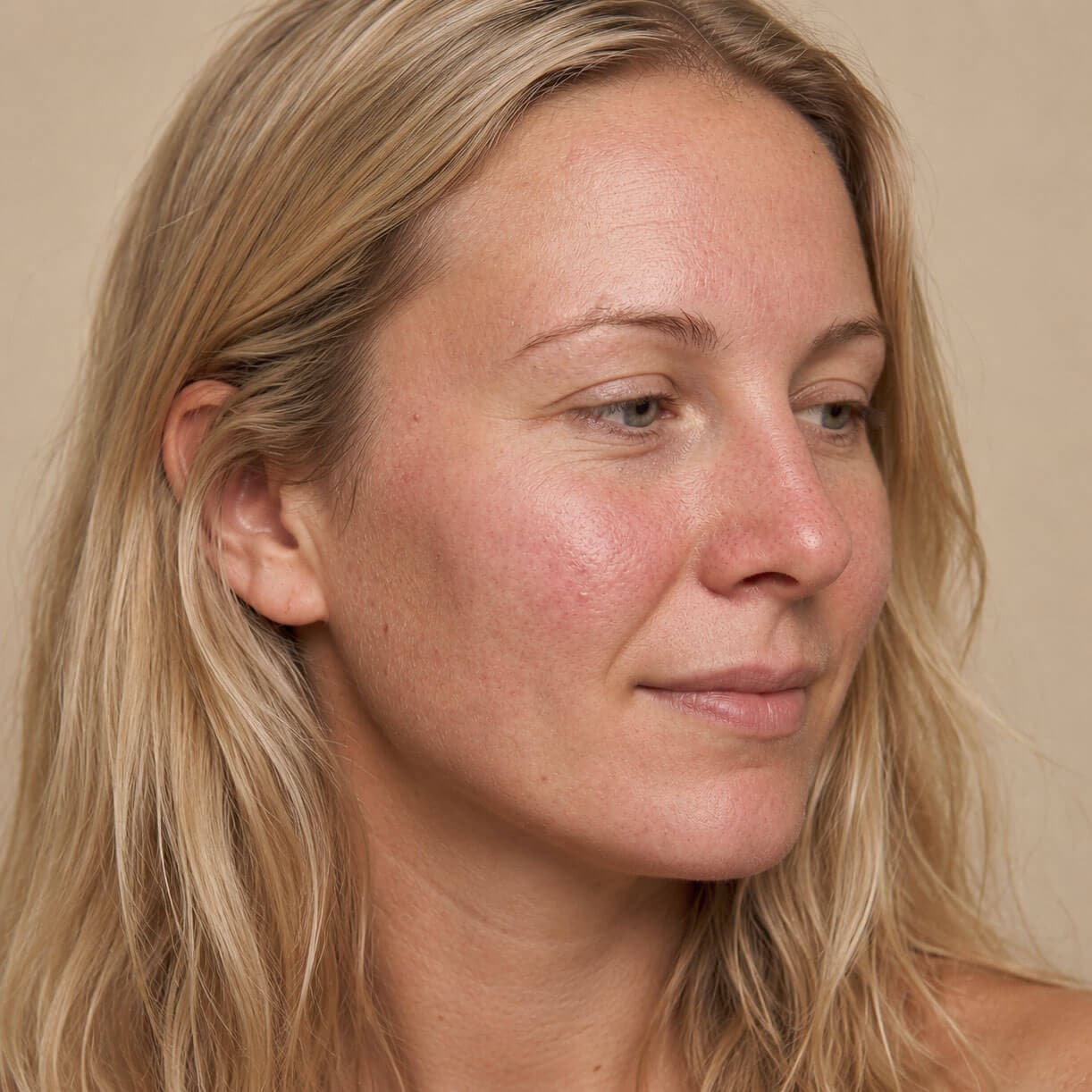
Sensitive skin
"Sensitive" is a symptom, not a diagnosis. Learn what drives reactive skin, the routine that calms it, and what to leave out.

Combination skin
Oily T-zone, drier or normal cheeks, and a routine that has to address both without making either worse. Here's how to actually balance combination skin.
Related ingredients
Citations
- Final Report on the Safety Assessment of Glyceryl Stearate and Glyceryl Stearate/SE. Int J Toxicol. 1982;1(4):169-192. — DOI 10.3109/10915818209021268
- Amended Safety Assessment of Monoglyceryl Monoesters as Used in Cosmetics. Cosmetic Ingredient Review. 2015. — CIR safety assessment
- Draelos ZD. Moisturizers: reality and the skin benefits. Dermatol Ther. 2012;25(3):229-233. — PMID 22913439