
Benzyl Alcohol
A multifunctional aromatic alcohol used mainly as a preservative, solvent, or fragrance component. Safe at reviewed cosmetic use levels, though rare contact reactions can occur.
At a glance
What Benzyl Alcohol does for skin, and how to read the practical safety signals.
- Different from denatured alcohol: Benzyl alcohol has its own formula roles and cannot be judged like ethanol.
- Multifunctional: It may preserve a formula, dissolve ingredients, or contribute to fragrance.
- Formula context matters: Its concentration, product type, and the complete preservation system shape exposure.
- Type
- Preservative and solvent
- Rating
- Pregnancy
- Considered safe
- Comedogenic rating
- 0/5 (Won't clog pores)
- Vegan
- Yes
- Suited skin types
- All skin types
On this page
The short answer
Benzyl alcohol is a multifunctional cosmetic ingredient. Formulators may use it as a preservative, solvent, or fragrance component.
It is not the same as ethanol or Alcohol Denat., and the word “alcohol” alone cannot tell you whether a product will feel drying. Most people tolerate benzyl alcohol at cosmetic use levels. Rare irritant or allergic reactions are possible.
What it does in a formula
Benzyl alcohol may help:
- protect a water-based formula as part of its preservation system
- dissolve ingredients that do not cooperate easily with water
- contribute to fragrance
- support the texture or handling of a formula
The exact job depends on the product. An ingredient list does not disclose concentration or which function the formulator intended.
That is why the broader guide to preservatives in skincare focuses on systems. Packaging, pH, manufacturing, and water activity can all influence microbial protection.
What the safety evidence shows
A 2017 Cosmetic Ingredient Review assessment[1] examined benzyl alcohol together with benzoic acid, its salts, and benzyl benzoate. The panel concluded that the ingredients were safe in the practices and concentrations described in the assessment.
That supports normal cosmetic use. It does not mean nobody can react.
A large patch-test analysis published in 2022[2] found positive reactions to benzyl alcohol in 0.21% of 70,867 tested patients, with most reactions weak and reproducibility low. The authors concluded that benzyl alcohol could not be considered a significant contact allergen based on those data.
Case reports still exist. A review centred on one patient with benzyl alcohol allergy[3] describes delayed dermatitis and other reported reaction patterns. Large datasets and individual cases belong together: allergy appears uncommon, but the person who has it still needs a correct answer.
What sensitive skin should watch
Do not avoid benzyl alcohol solely because an app coloured it red.
Pay attention when a product repeatedly causes:
- a delayed itchy rash
- eczema around the eyelids or neck
- swelling or hives
- worsening each time the same formula returns
Immediate stinging on cracked or over-exfoliated skin may be irritation from the whole formula. Appearance and timing can overlap, so an ingredient list cannot diagnose the cause.
Stop a worsening product. If the reaction persists, spreads, or keeps returning with several products, ask a qualified dermatologist about patch testing with the products and relevant ingredients.
The practical takeaway
My goal with this guide was to gather the useful science on benzyl alcohol in one place, so you can stop chasing the next clever blacklist and focus on a simple, effective routine.
That is also why I made the Danish Skin Care Kit: the routine I created after helping more than 100,000 people with problem skin, built around complete formulas rather than fear of one label name. If you still have a question, send me an email at info@danishskincare.com.
Common questions
Is benzyl alcohol the same as drying alcohol?
No. It is an aromatic alcohol used as a preservative, solvent, or fragrance component, not simply another name for ethanol or Alcohol Denat.
Is benzyl alcohol safe in skincare?
A Cosmetic Ingredient Review assessment concluded it was safe in the practices and concentrations reviewed. Individual irritation or allergy can still occur.
Can sensitive skin use benzyl alcohol?
Many people can. If the same delayed itchy rash returns with products containing it, stop them and ask a dermatologist about formal patch testing.
Reading a real label?
Scan a product to see how it is formulated
Upload a photo of the ingredient list and get a quick ingredient-by-ingredient read against the evidence-led database.
I recommend these products

The Kit uses complete, tested formulas rather than asking one preservative to tell the whole safety story.
Skin conditions it actively helps with
Where the published evidence puts Benzyl Alcohol on the short list of active ingredients worth reaching for.
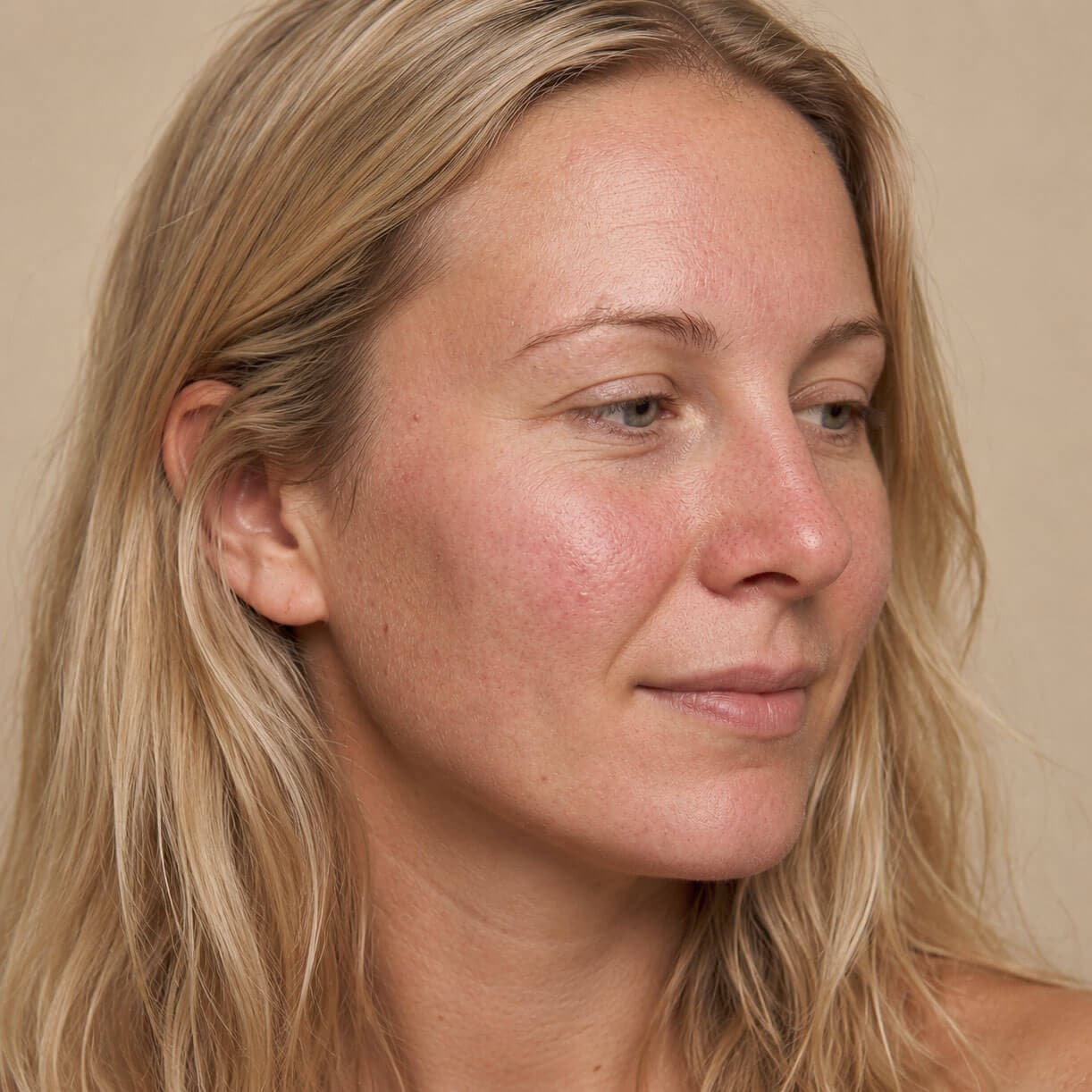
Sensitive skin
"Sensitive" is a symptom, not a diagnosis. Learn what drives reactive skin, the routine that calms it, and what to leave out.
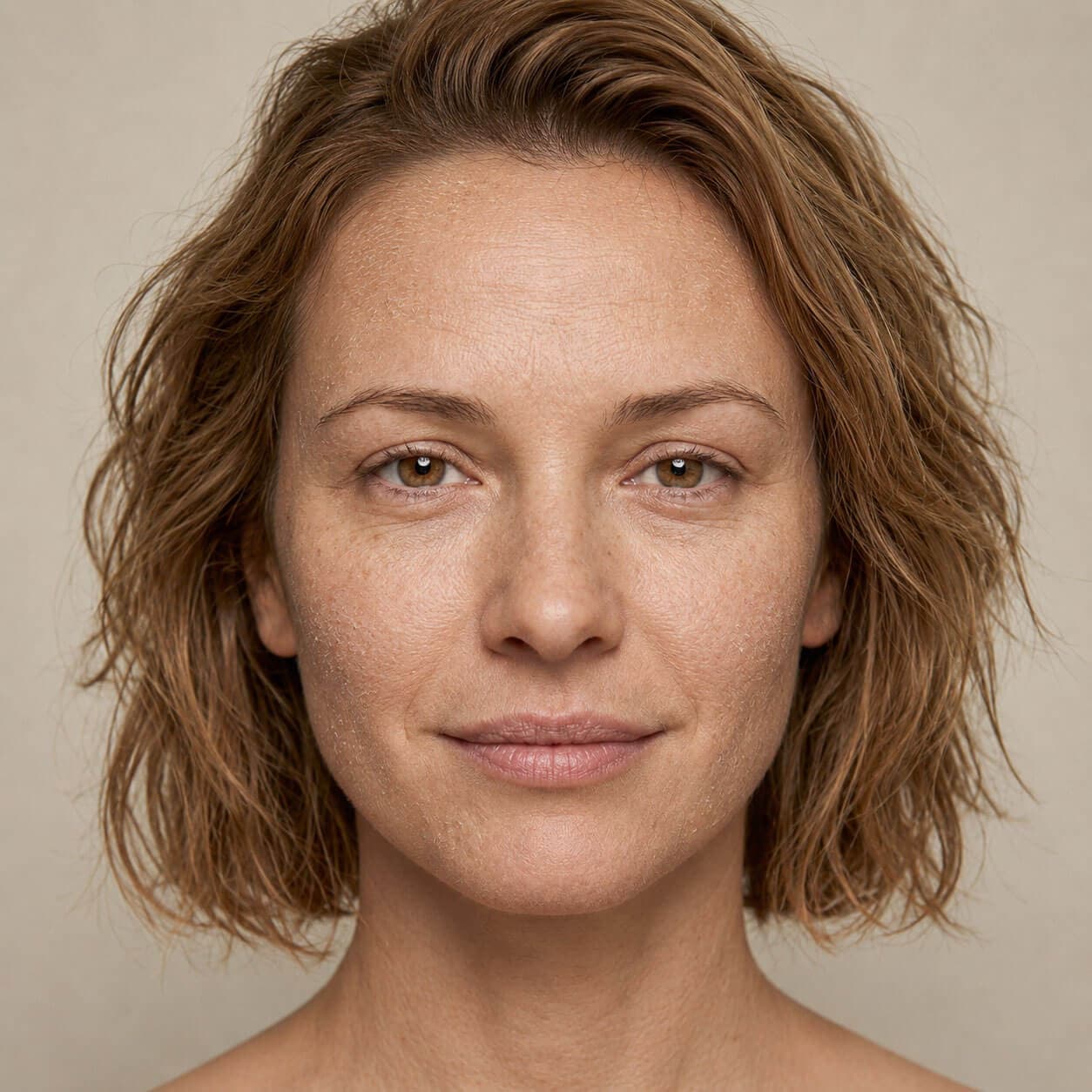
Dry skin
Dry skin is usually a barrier problem, not simply a water problem. Here's the difference between dry and dehydrated, why it matters, and the routine that actually helps.
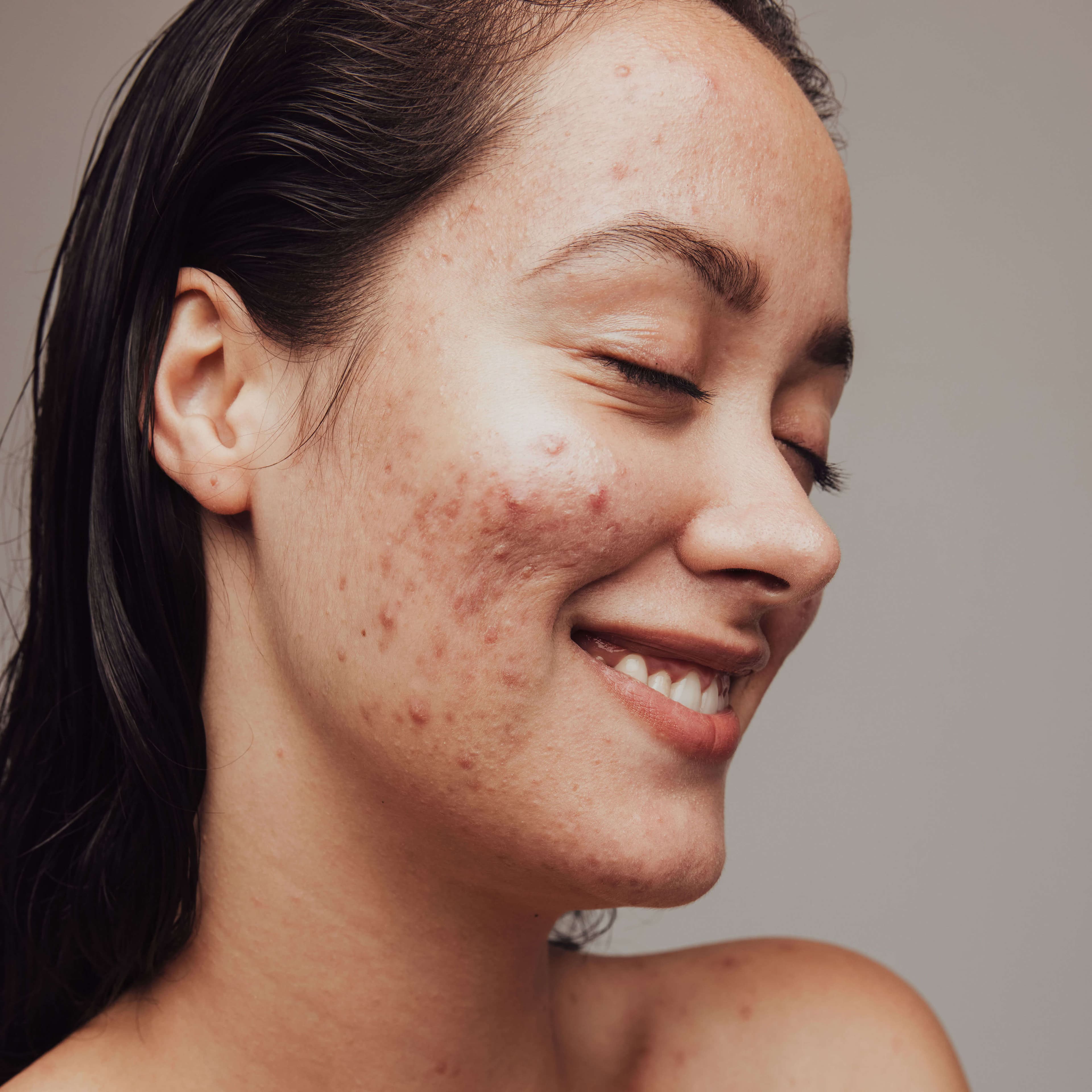
Acne and blemishes
A clear-headed guide to acne: what's actually happening in your skin, what the evidence says works, and a simple routine that doesn't make things worse.
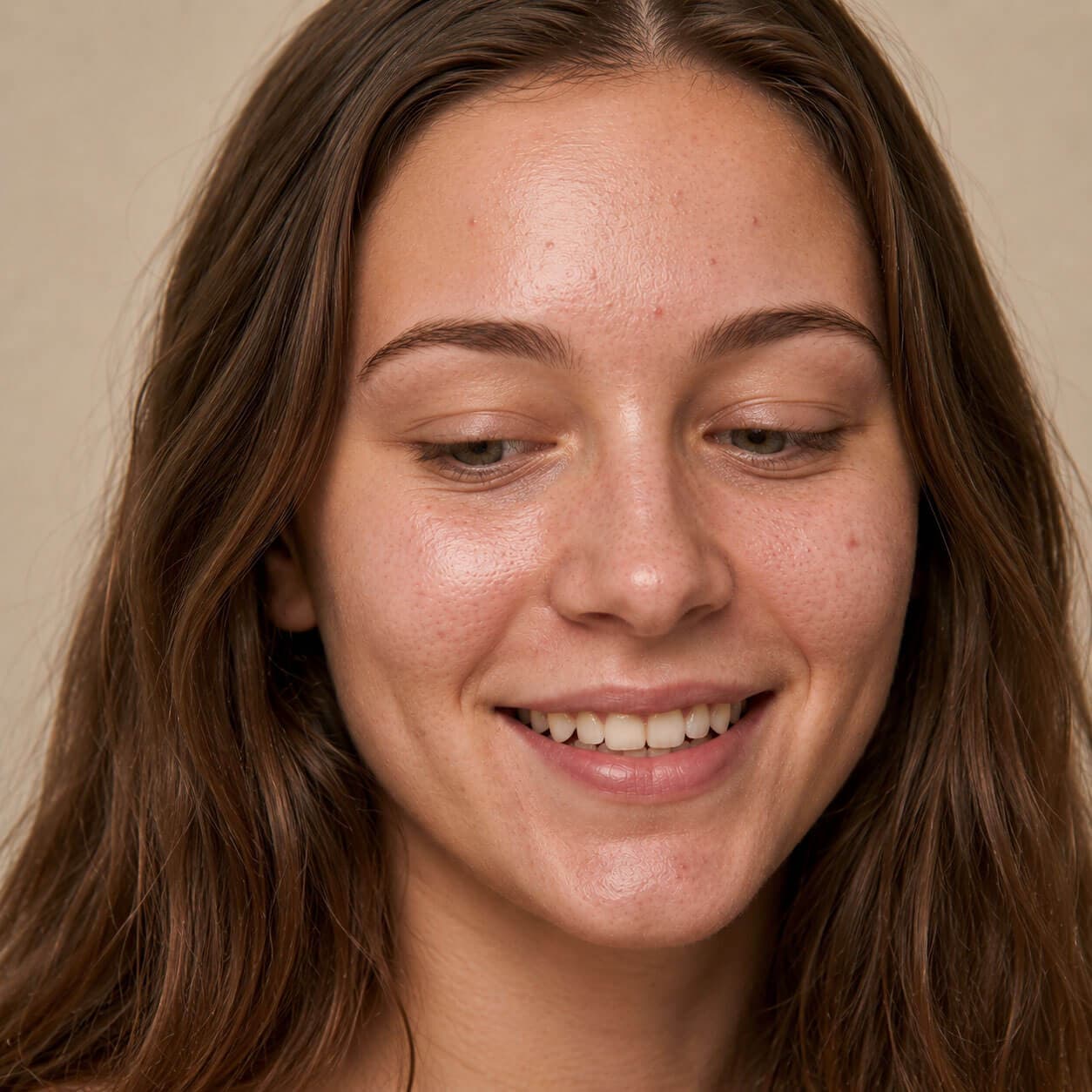
Combination skin
Oily T-zone, drier or normal cheeks, and a routine that has to address both without making either worse. Here's how to actually balance combination skin.
Related ingredients
Citations
- Johnson W Jr, Bergfeld WF, Belsito DV, et al. Safety Assessment of Benzyl Alcohol, Benzoic Acid and its Salts, and Benzyl Benzoate. Int J Toxicol. 2017;36(3 Suppl):5S-30S. — PMID 29243541
- Uter W, Werfel T, White IR, Johansen JD. Is benzyl alcohol a significant contact sensitizer? J Eur Acad Dermatol Venereol. 2022;36(6):847-853. — PMID 35080274
- Curry EJ, Warshaw EM. Benzyl alcohol allergy: importance of patch testing with personal products. Dermatitis. 2005;16(4):203-208. — PMID 16536335