
Why do pimples hurt? What the tenderness is telling you
Pimples hurt when inflammation, swelling, and pressure build in and around a follicle. Deep recurring pain is a reason to treat early, not squeeze harder.
On this page
I remember the pimple I could feel before I could see it.
It would sit under the skin like a small bruise with ambitions. Every facial expression reminded me it was there, so naturally I pressed it to confirm. That never improved the situation, but it did provide regular updates on exactly how sore it had become.
Pain changes how people treat acne. A painless bump is easier to ignore. A tender one feels urgent, and urgency sends fingers toward the face.
After helping more than 100,000 people with problem skin, I have learned that painful pimples need an earlier, calmer plan. Maya, one of our customers, described getting fewer and less intense breakouts after settling into a simple routine. That kind of gradual change matters because fewer inflamed spots means fewer mornings organised around one aching lump.
The short answer
Pimples hurt because inflammation creates swelling and pressure in the tissue around a clogged follicle.
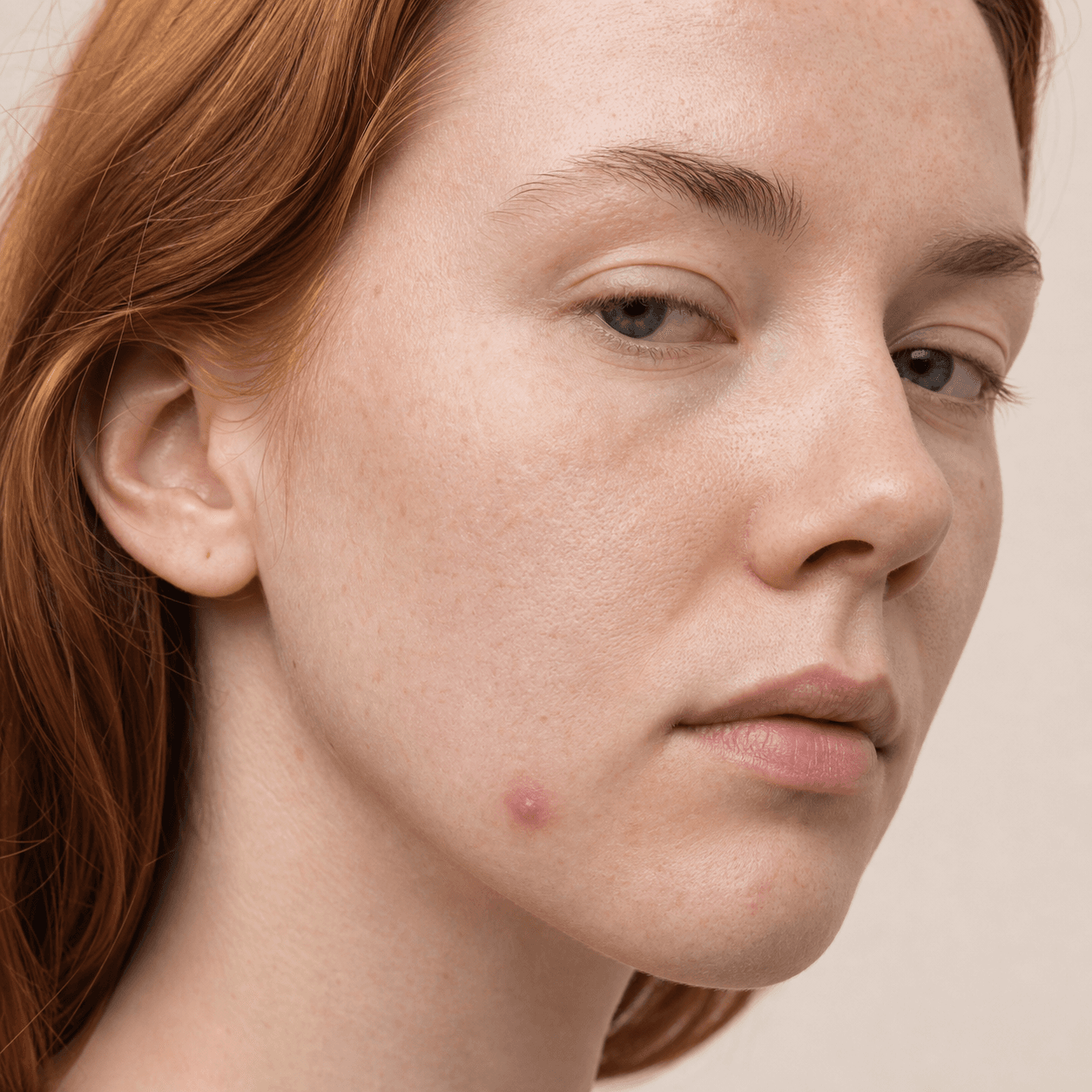
The deeper the inflammation sits, the more likely the spot is to feel tender before it has a visible head. A small surface pustule may sting when touched. A nodule or cyst can ache without looking dramatic from the outside.
Pain does not mean the pimple is "ready" to pop. Often, it means the opposite: the inflammation is deep and squeezing will add injury without giving the contents a safe route out.
What is happening under the skin?
Acne begins in the pilosebaceous unit: a hair follicle and its oil gland.
Oil and sticky dead skin cells narrow the follicle. Cutibacterium acnes, a normal resident of skin, can contribute to the immune response inside that environment. Blood vessels widen, immune cells arrive, fluid gathers, and the surrounding tissue becomes swollen.
Research on early acne lesions[1] places inflammation throughout acne development, including before a pore looks red. That explains why tenderness can arrive before a clearly visible pimple.
Think of the follicle as a tiny room. If the activity stays near the doorway, you may get a whitehead or small pustule. If the inflammation spreads deeper through the walls, the pressure affects more nerve-rich tissue. The spot feels larger and more painful than its surface suggests.
Why some pimples hurt more than others
The type and depth of the lesion matter.
- Whiteheads and blackheads are clogged follicles with limited visible inflammation. They are often not painful.
- Papules are red, raised, inflamed bumps without visible pus. They may feel tender.
- Pustules contain visible fluid near the surface and can sting or throb.
- Nodules are firm, deep inflammatory lumps. They often hurt because the swelling sits well below the surface.
- Cysts are deep lesions that contain fluid or pus and carry a higher risk of scarring.
Location also changes the experience. A pimple near the lip, nose, jaw, or an area moved by shaving and talking can feel worse because the skin is repeatedly stretched or pressed.
What to do today
Start by removing your fingers from the treatment team.
1. Do not squeeze it
A deep pimple has no useful exit. Squeezing can push inflammation through nearby tissue, break the follicle wall, and increase the chance of a red or brown mark.
If the spot has a clear surface head, a plain pimple patch may protect it from touching. A patch will not drain a deep lump.
2. Cleanse as normal
Pain is not evidence that the skin needs extra washing. Use a gentle cleanser and lukewarm water. Scrubs, cleansing brushes, and repeated washing add surface irritation to inflammation below.
3. Keep your acne treatment consistent
Use salicylic acid, benzoyl peroxide, azelaic acid, or a topical retinoid according to your existing plan and tolerance. Do not stack all four on one frightened pimple.
The 2024 American Academy of Dermatology acne guideline[2] strongly recommends established options such as benzoyl peroxide and topical retinoids, with conditional recommendations for salicylic acid and azelaic acid. The right choice depends on severity, irritation, pregnancy, other medicines, and local availability.
4. Soothe rather than perform surgery
A clean, comfortably warm compress can feel soothing and may help a surface lesion settle. A cool compress wrapped in cloth can briefly reduce the sensation of swelling.
Neither method empties the follicle. Avoid very hot water and direct ice. Skin does not need a temperature challenge on top of acne.
Is a painful pimple infected?
Acne is inflammatory, so pain alone does not prove a separate infection.
Ask for medical assessment if a bump:
- becomes rapidly more painful
- has redness that keeps spreading
- feels unusually hot
- causes marked swelling
- appears near the eye with swelling
- comes with fever or feeling unwell
- looks unlike your normal breakouts
Boils, inflamed cysts, dental problems, cold sores, and other conditions can be mistaken for acne. An online article cannot diagnose a changing painful lump.
When deep pain keeps returning
Repeated nodules and cysts deserve professional help early because they are more likely to scar.
The same 2024 guideline recommends isotretinoin for severe acne, acne causing scarring or major psychosocial burden, and acne that has not responded to standard topical or oral treatment[2]. That does not mean every sore pimple needs isotretinoin. It means persistent deep acne has medical options beyond buying a stronger spot gel.
The American Academy of Dermatology also advises seeing a dermatologist when a deep painful pimple does not resolve or when several keep appearing[3]. A dermatologist may adjust treatment and, in selected cases, inject a large lesion to reduce inflammation. Please leave drainage and injections to the people with training and sterile equipment.
Preventing the next painful pimple
Spot treatment feels satisfying because it gives you something immediate to do. Prevention is quieter.
Give a routine eight to twelve weeks unless irritation or a clinician tells you to change course. Apply acne treatment across the area that tends to break out, rather than chasing only the bump you can see today. Support the barrier with moisturiser and use sunscreen, especially if inflammation leaves long-lasting marks.
Keep notes if the pattern is clearly linked to a menstrual cycle, shaving, helmets, workout friction, or a new product. Change one variable at a time. Acne investigation becomes useless when seven suspects leave the building together.
A calmer next step
Over the last 15 years, I have seen painful acne persuade sensible people to attack their skin. The better response is steady care with an earlier threshold for professional help.
This is why I built the Danish Skin Care Kit as a simple foundation: gentle cleansing, salicylic acid for acne-prone areas, barrier support, and daytime SPF. It will not flatten a deep nodule tonight. A routine should not make promises that skin biology cannot keep.
It can reduce the daily chaos around breakouts, which makes consistency possible. If your pimples are deep, painful, recurring, or leaving scars, use that routine as support while a qualified dermatologist helps you choose the medical treatment your skin needs.
People also ask
Why does a pimple hurt before I can see it?
Inflammation can begin deeper in the follicle before the bump becomes obvious at the surface. Swelling and pressure in the surrounding tissue can make it tender first.
Does a painful pimple mean it is infected?
Not necessarily. Acne inflammation itself can hurt. Rapidly spreading redness, increasing warmth, severe pain, fever, or a lesion unlike your normal acne needs medical assessment.
Should I put ice on a painful pimple?
A cool compress wrapped in clean cloth may briefly soothe swelling. Do not place ice directly on skin, and do not expect cold to treat the clogged follicle.
When should I see a dermatologist for painful acne?
Book an appointment for repeated deep lumps, several painful lesions, scarring, significant distress, or acne that is not improving with consistent over-the-counter care.
A calmer routine for painful breakouts
When pimples are sore, I want the routine around them to become quieter. I built the Danish Skin Care Kit to keep acne care consistent: cleanse gently, use salicylic acid across the breakout-prone area, support the barrier, and protect marks from UV rather than attacking one tender spot from every angle.

A simple routine for acne-prone skin: gentle cleansing, salicylic acid, barrier support, and daytime SPF without adding five emergency spot products.
Full transparency: Danish Skin Care is my own company — I formulated these products and earn from every sale. That's exactly why I only recommend them where they genuinely fit the guide you just read.
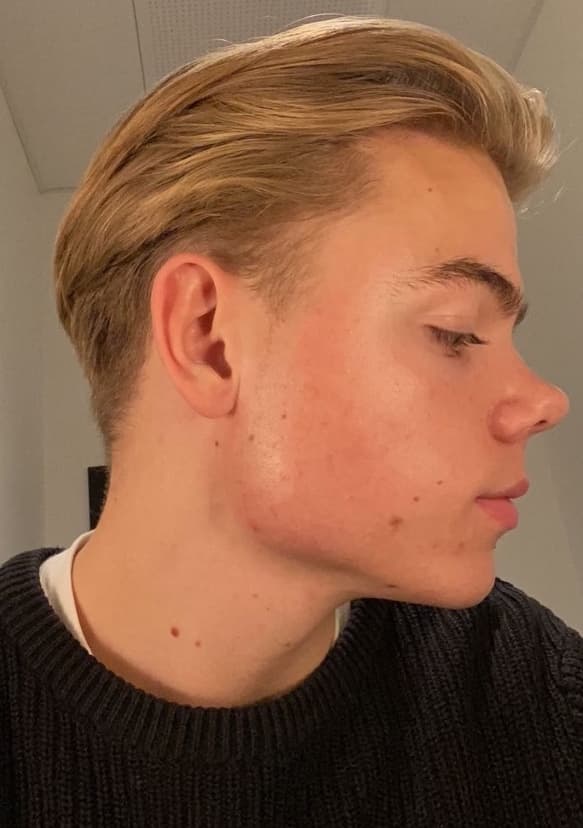
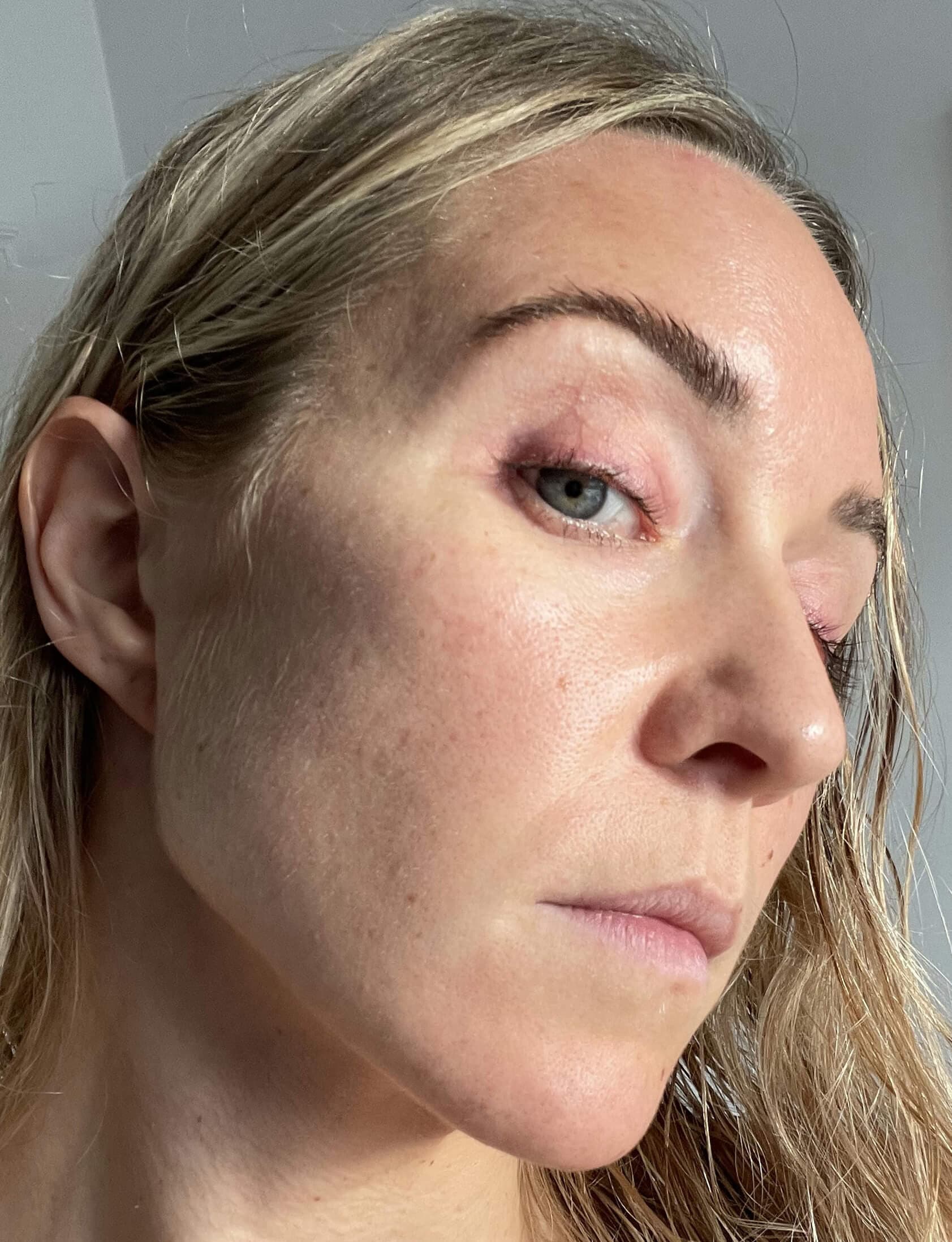
Real results from simple routines
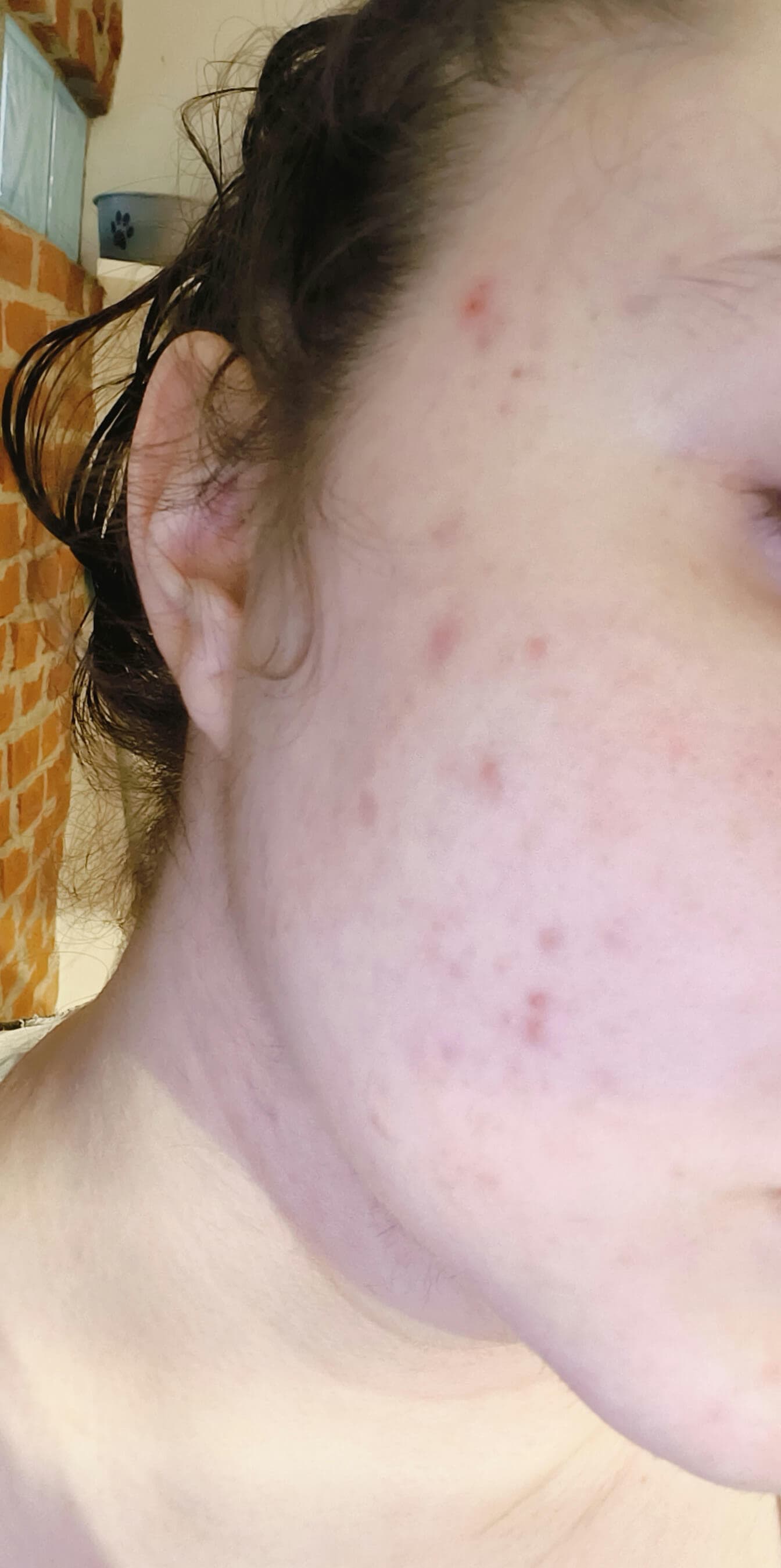
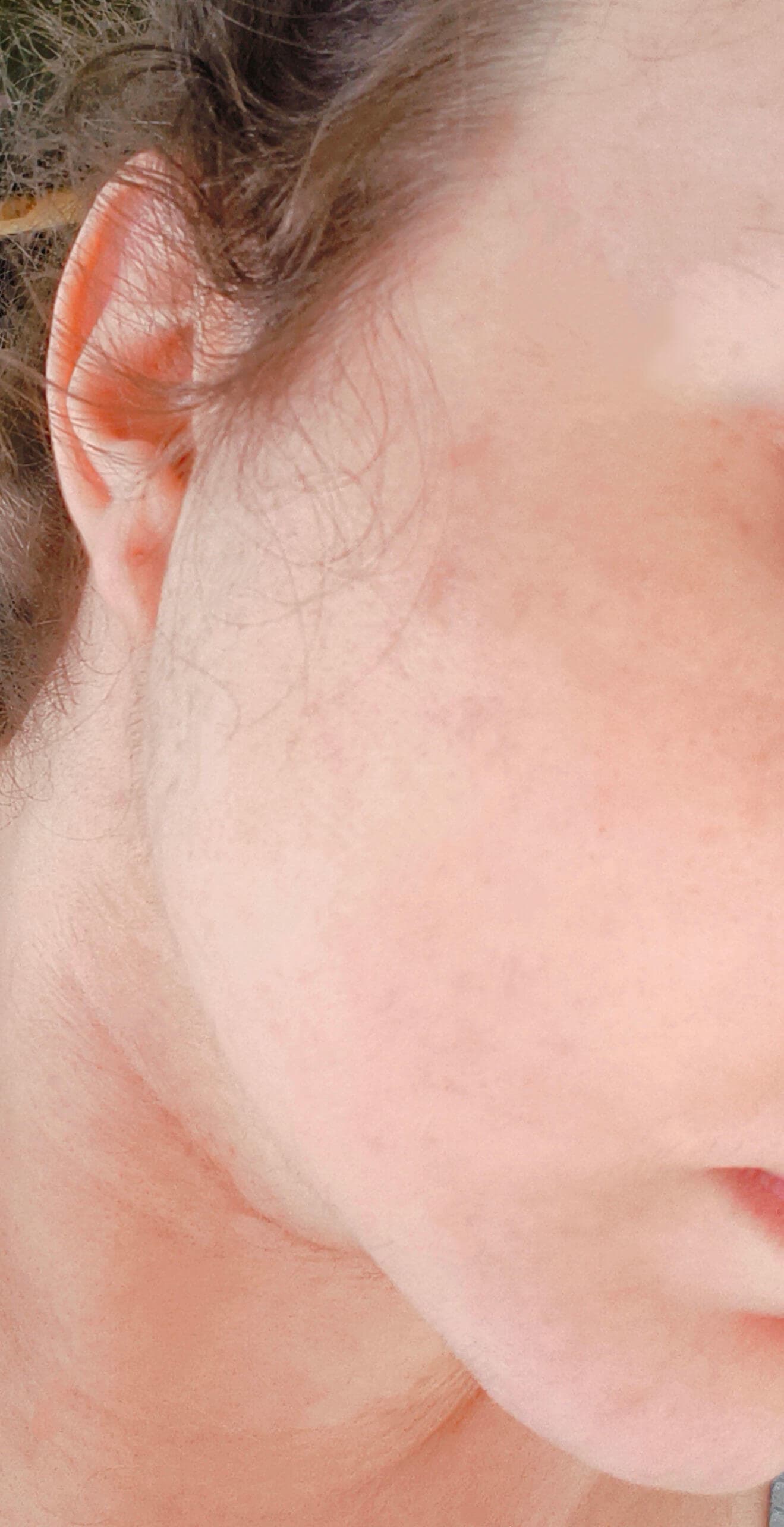
A few real before-and-after cases from people using Danish Skin Care for skin concerns related to this guide. No filters, no miracle promise. Consistent skincare over time.
 Before
 After
After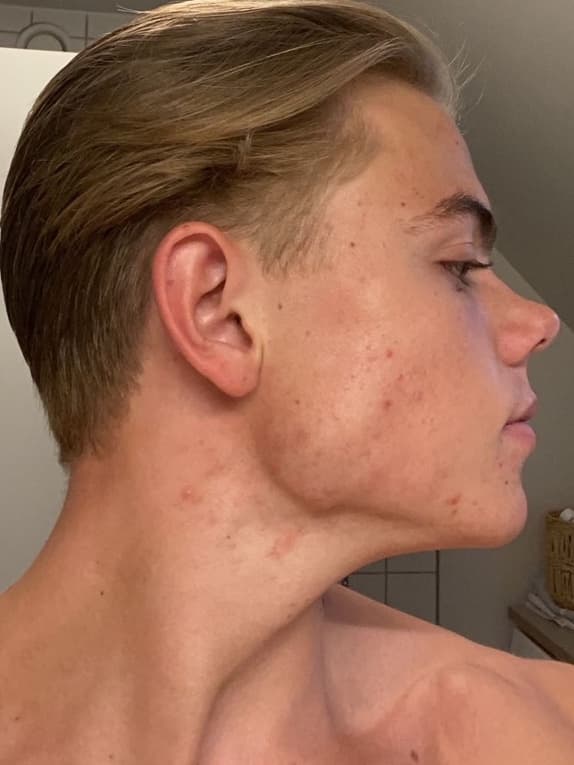 Before
 After
After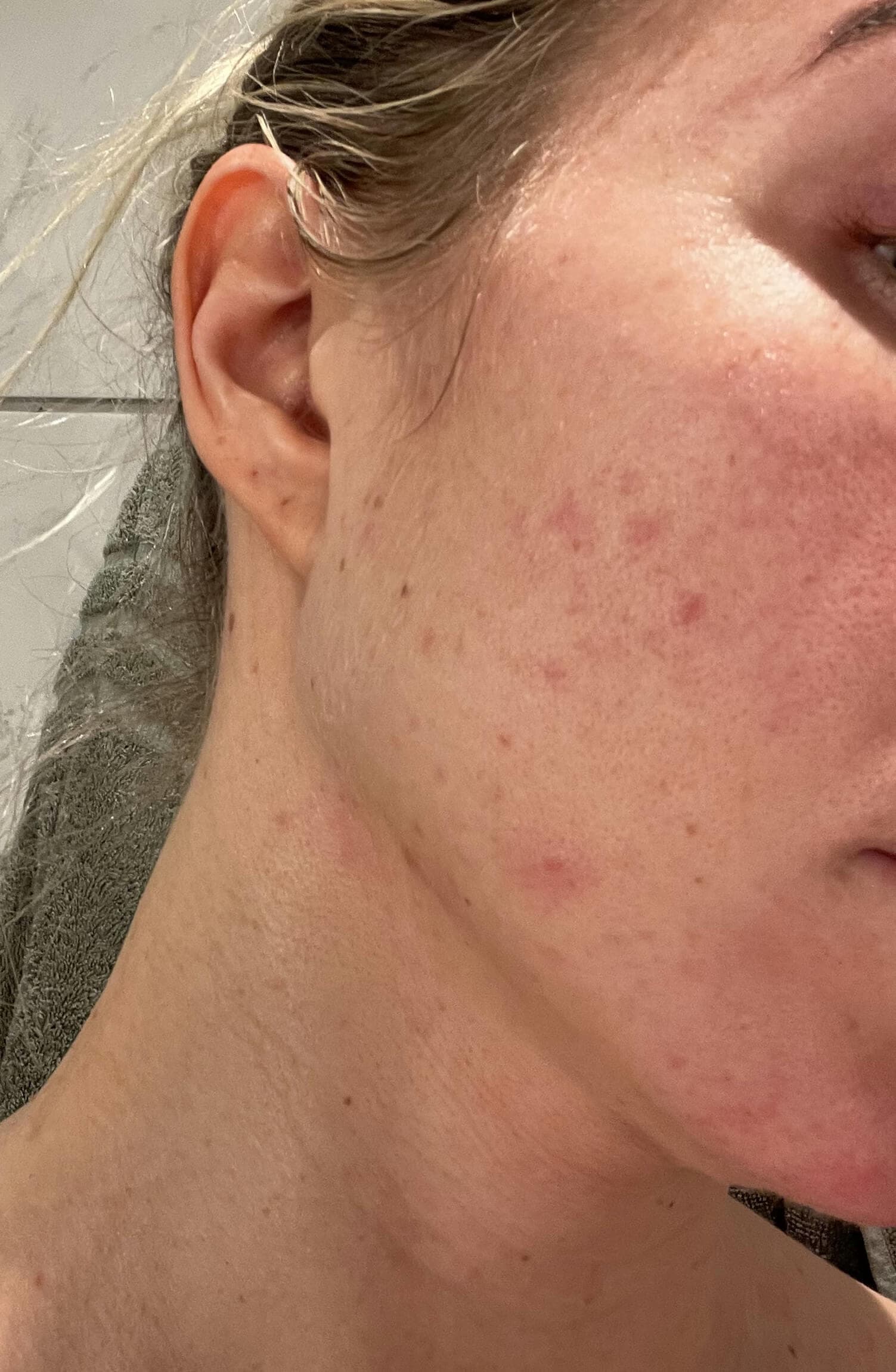 Before
 After
AfterKeep reading
Citations
- Holland DB, Jeremy AHT. The role of inflammation in the pathogenesis of acne and acne scarring. Semin Cutan Med Surg. 2005;24(2):79-83.PMID 16092795
- Reynolds RV, et al. Guidelines of care for the management of acne vulgaris. J Am Acad Dermatol. 2024;90(5):1006.e1-1006.e30.PMID 38300170
- American Academy of Dermatology. Tips to treat a deep, painful pimple.AAD