
Hydroquinone
One of the best-studied topical treatments for melasma, but irritation, duration, pregnancy and rare ochronosis risk make clinician supervision important.
At a glance
What Hydroquinone does for skin, and how to read the practical safety signals.
- Evidence: Hydroquinone alone and in prescription combinations can reduce melasma pigment.
- Use: Treatment is usually time-limited and followed by a maintenance plan chosen with a clinician.
- Tolerance: Dryness, stinging and irritation can occur; more is not automatically better.
- Type
- Depigmenting medicine
- Rating
- Pregnancy
- Discuss with a clinician
- Comedogenic rating
- 0/5 (Won't clog pores)
- Vegan
- Yes
- Suited skin types
- All skin types
On this page
The short answer
Hydroquinone is a topical medicine used to reduce excess pigmentation. It interferes with pigment production inside melanocytes, which is why dermatologists use it for melasma and selected dark marks.
It is one of the better-studied options in the category. It is also an ingredient where concentration, diagnosis, duration and product source matter. This is not a "buy the strongest tube and keep going until the patch disappears" situation.
Hydroquinone is best used with a qualified clinician who can confirm what kind of pigment you have, set a time-limited plan and recognise irritation or unusual darkening early.
How hydroquinone works
Your skin makes melanin through a process called melanogenesis. The enzyme tyrosinase helps drive key steps in that process.
Hydroquinone reduces pigment production partly by acting on tyrosinase-related pathways and melanocyte activity. Over time, less new melanin enters surrounding skin cells while existing pigmented cells move upward and shed.
That explains the delay. Hydroquinone does not erase colour on contact. It changes new pigment production while normal skin turnover handles pigment already present.
It also explains why results are uneven across diagnoses. Epidermal melasma or post-inflammatory pigment may respond better than deeper dermal pigment. A brown patch caused by something other than excess melanin needs a different plan entirely.
What the evidence shows
A 2022 systematic review of investigator-blinded randomised trials[1] found that hydroquinone, tretinoin and the components used in triple-combination therapy can lighten melasma. The authors also found wide variation between studies, which makes tidy internet rankings less reliable than they look.
A larger 2023 meta-analysis[2] included dozens of studies of topical melasma treatments. Hydroquinone alone and hydroquinone-containing combinations reduced melasma severity, while combinations also had a relatively high incidence of irritation.
The balanced reading is:
- hydroquinone works for many people with correctly diagnosed melasma
- it is not the only evidence-backed option
- irritation can limit the plan
- treatment choice should reflect tolerance, availability and clinician experience
Alternatives or maintenance options may include azelaic acid, tranexamic acid, niacinamide, cysteamine or other prescription combinations. "Alternative" does not automatically mean weaker or safer for every person.
How it is used in real dermatology
Hydroquinone may be prescribed alone or inside a triple-combination cream with tretinoin and a corticosteroid. The combination targets pigment from several angles and can reduce irritation from tretinoin, but it also carries its own medical considerations.
A clinician may recommend:
- treatment on the affected areas for a defined course
- a review after several weeks or months
- a pause or step-down schedule
- a separate long-term maintenance active
- consistent broad-spectrum sun protection
Follow the exact formulation's instructions. Hydroquinone percentages from two different products do not guarantee equivalent delivery, stability or safety.
Do not apply extra because yesterday was cloudy. Skin does not reward impatience with faster pharmacology.
Irritation, rebound worries and ochronosis
Common problems include dryness, redness, burning, stinging and irritant contact dermatitis. Irritation matters doubly in pigment-prone skin because inflammation can leave new post-inflammatory hyperpigmentation.
Exogenous ochronosis is a rare but serious blue-grey or blue-black darkening associated with hydroquinone exposure. A systematic review of reported cases[3] found it was most often linked with long durations and concentrations above 4%, although case reports cannot calculate an individual's exact risk.
Contact the prescriber if you develop:
- blue-grey or speckled darkening
- marked swelling
- persistent burning or rash
- pigment spreading outside the treated area
- no improvement despite using the medicine as directed
Do not treat suspected ochronosis by applying more hydroquinone.
Product source and regulation matter
Availability differs by country. In the United States, the FDA states that hydroquinone skin-lightening products are not legally marketed over the counter and warns against unapproved products; prescription hydroquinone-containing treatment remains available under professional supervision[4].
Elsewhere, rules differ. The practical point travels well: avoid unlabelled, imported or marketplace products that do not clearly state ingredients and manufacturer information. Some illegal lightening products contain undeclared hydroquinone or mercury.
Skin-lightening language also deserves care. Treating a defined patch of excess pigment is different from trying to change a person's natural skin colour.
Pregnancy and breastfeeding
Avoid hydroquinone during pregnancy. If you become pregnant while using it, stop and contact the prescriber for individual advice rather than panicking.
Breastfeeding decisions should also be discussed with the clinician who knows the formulation, treatment area and your health. Do not apply a topical medicine where an infant could contact or ingest it.
The guide to melasma during pregnancy gives a simpler routine for the months when treatment options need extra caution.
When hydroquinone will not solve the problem
Hydroquinone will not:
- remove red acne marks that are mainly vascular rather than brown pigment
- repair indented acne scars
- diagnose a changing mole
- permanently remove melasma susceptibility
- compensate for repeated irritation
- make an aggressive peel safer
If melasma clears and returns, the guide to melasma recurrence explains why a maintenance plan often matters more than repeating stronger cycles.
Where I land on hydroquinone
My goal with this guide was to put the useful evidence and the uncomfortable caveats in the same place. Hydroquinone is neither a forbidden poison nor a casual brightening cosmetic. It is an effective medical tool that deserves the right diagnosis, a clear duration and a follow-up plan.
This is also why I made the Danish Skin Care Kit: the simple supporting routine I built after helping more than 100,000 people with problem skin. It does not replace prescription hydroquinone; it keeps cleansing, moisturising and daily protection steady around a clinician-led plan. If you have a question, email me at info@danishskincare.com.
Common questions
What does hydroquinone do to skin?
Hydroquinone reduces melanin production by interfering with tyrosinase-related pigment pathways. It can fade melasma and some other forms of hyperpigmentation, but response and tolerance vary.
How long can you use hydroquinone?
There is no safe universal schedule for every concentration and diagnosis. Prescription courses are usually time-limited, then reviewed or stepped down. Follow the prescriber's plan instead of continuing indefinitely.
Can I use hydroquinone while pregnant?
No. Current dermatology guidance advises avoiding hydroquinone during pregnancy. Ask your obstetrician and dermatologist for a suitable alternative.
Does hydroquinone permanently remove melasma?
No. It can reduce visible pigment, but melasma often recurs because genetic, hormonal and light-related triggers remain. Maintenance and light protection still matter.
Reading a real label?
Scan a product to see how it is formulated
Upload a photo of the ingredient list and get a quick ingredient-by-ingredient read against the evidence-led database.
I recommend these products

The Optimizer uses azelaic acid and niacinamide as gentler long-term support for uneven tone; it is not a replacement for prescribed hydroquinone.

Daily broad-spectrum protection helps reduce the light signal that repeatedly drives melasma and post-inflammatory pigment.

The Kit keeps the supporting cleanse, moisturise and protect steps stable while a dermatologist directs any prescription pigment treatment.
Skin conditions it actively helps with
Where the published evidence puts Hydroquinone on the short list of active ingredients worth reaching for.
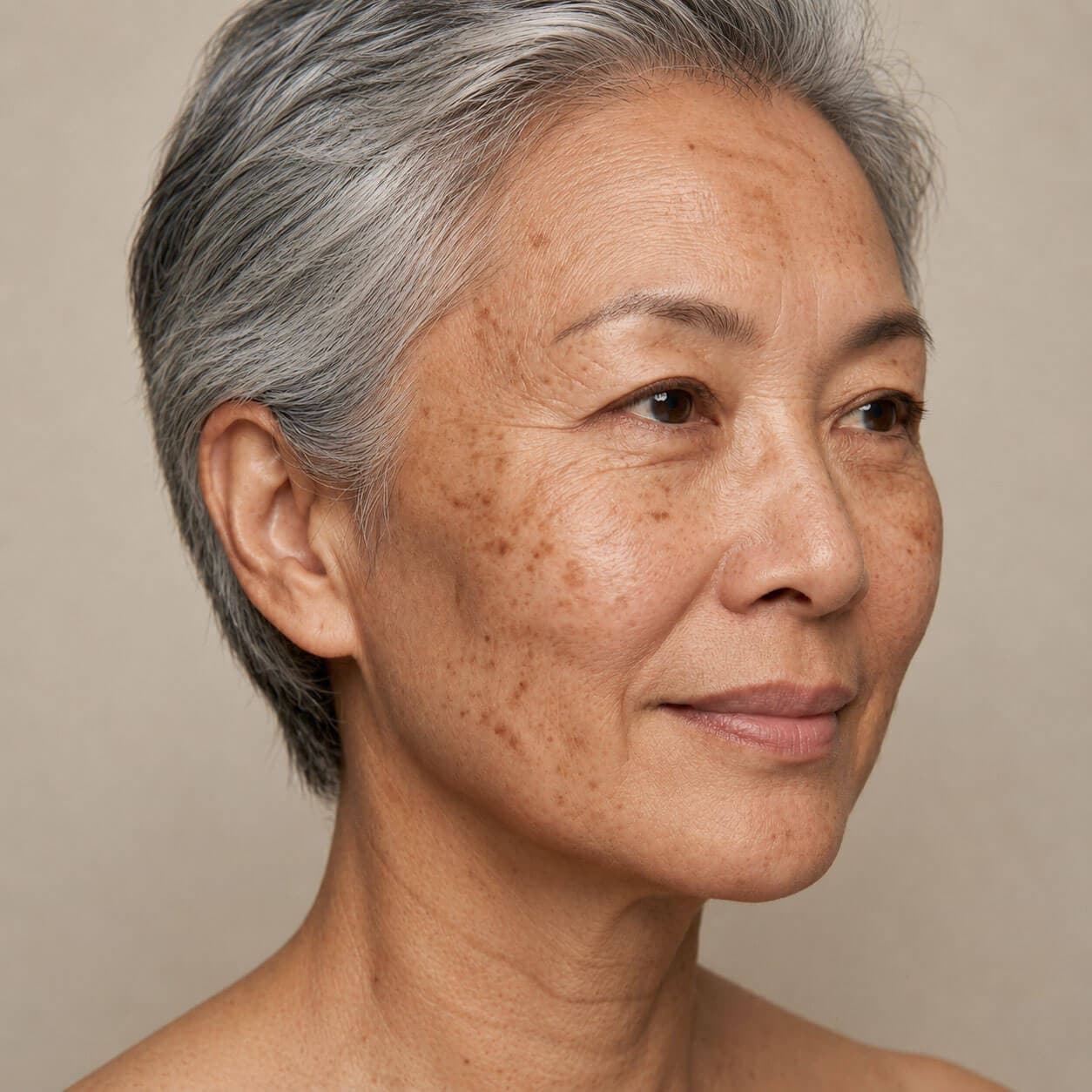
Pigmentation
Pigmentation is one of the most-asked-about, most-misunderstood skin concerns. Here's what's happening in your skin and the slow, evidence-led routine that actually fades it.
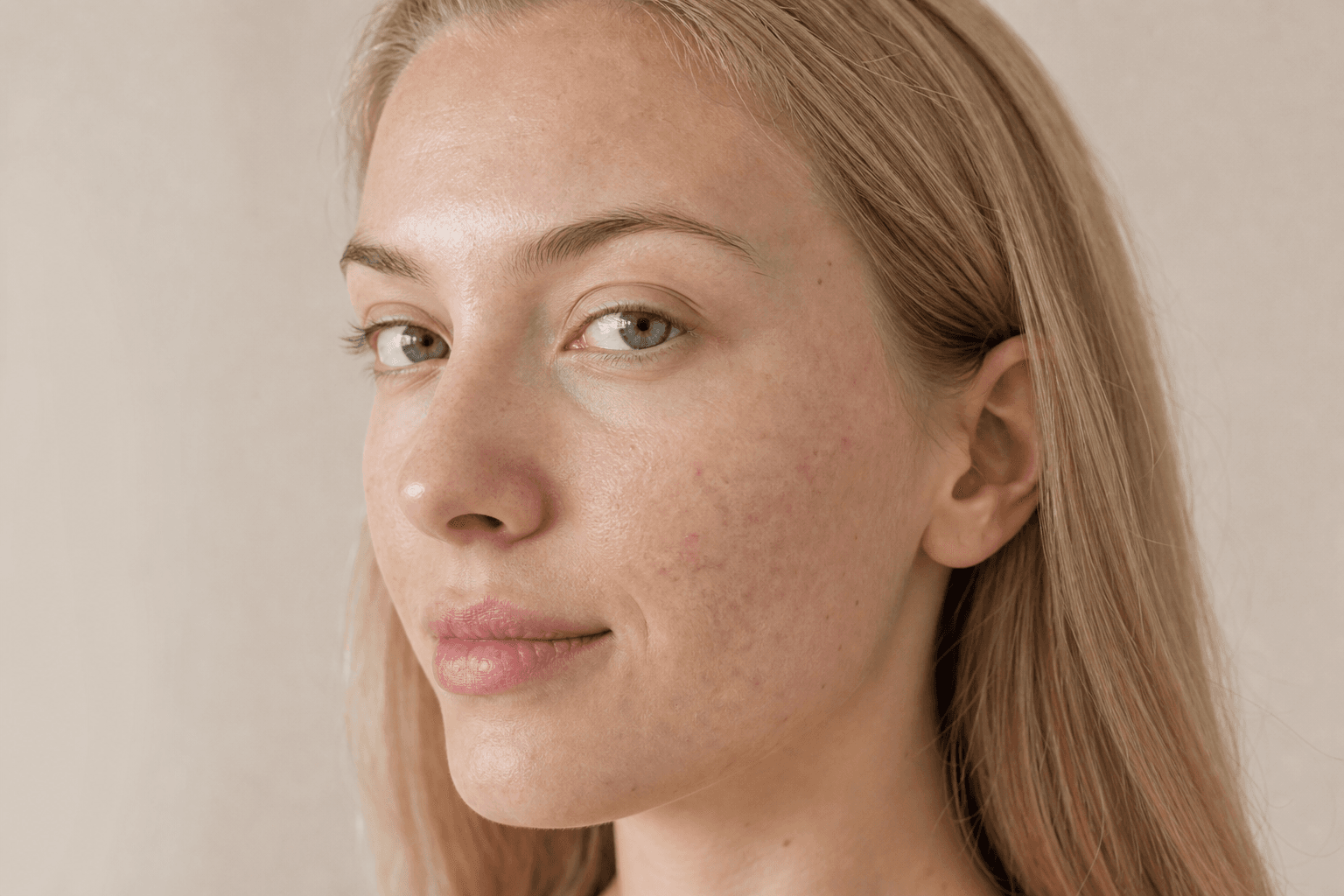
Acne scars and post-acne marks
A calm guide to what acne leaves behind: red marks, brown marks, indented scars, raised scars, and the routine that helps without making skin angrier.
Related ingredients
Citations
- Pennitz A, et al. Self-applied topical interventions for melasma: a systematic review and meta-analysis of data from randomized, investigator-blinded clinical trials. Br J Dermatol. 2022;187(3):309-317. — PMID 35290681
- Chang YF, et al. Efficacy and safety of topical agents in the treatment of melasma: What's evidence? A systematic review and meta-analysis. J Cosmet Dermatol. 2023;22(4):1168-1176. — PMID 36566490
- Ishack S, Lipner SR. Exogenous ochronosis associated with hydroquinone: a systematic review. Int J Dermatol. 2022;61(6):675-684. — PMID 34486734
- U.S. Food and Drug Administration. FDA works to protect consumers from potentially harmful OTC skin lightening products. April 19, 2022. — FDA