
Capsaicin
Capsaicin is a legitimate topical pain active and a useful way to understand spicy-food flushing, but its initial burning makes it a poor casual facial-skincare choice for rosacea-prone skin.
At a glance
What Capsaicin does for skin, and how to read the practical safety signals.
- Capsaicin is the pungent molecule that makes chilli peppers feel hot.
- It activates TRPV1, a sensory channel that also responds to damaging heat.
- Topical capsaicin is used in pain products, not as a routine rosacea treatment.
- Type
- Sensory active
- Rating
- Pregnancy
- Discuss with a clinician
- Comedogenic rating
- 0/5 (Won't clog pores)
- Vegan
- Yes
- Suited skin types
- All skin types
On this page
The short answer
Capsaicin is the molecule that makes chilli peppers feel hot. On skin and sensory nerves, it activates TRPV1: a channel that also responds to high temperature.
That makes capsaicin useful in some topical pain products and very useful for explaining why a spicy meal can make a rosacea-prone face flush. It does not make capsaicin a calming facial ingredient. The early effects are warmth, burning, and redness - the exact trio many reactive faces are trying to avoid.
What TRPV1 means in plain language
TRPV1 is part of the body's warning system. It helps sensory nerves and skin cells notice capsaicin, heat, acidity, and inflammatory signals.
When the channel opens, nerves can release signals that affect pain, blood vessels, and immune activity. A review of skin neurogenic inflammation[2] describes how TRPV1 activation can release neuropeptides and support vasodilation and inflammatory communication.
Think of it as a smoke alarm with several kinds of smoke. Chilli and heat are different inputs, but both can ring the same alarm.
The short neurogenic inflammation definition explains how nerves, vessels, and immune cells join that conversation.
Why capsaicin matters in rosacea
Rosacea-prone skin can be unusually reactive to heat, alcohol, stress, exercise, and spicy food. Capsaicin offers one plausible link between a chilli-containing meal and a warm red face.
A 2022 study[1] found increased TRPV1 and several inflammatory markers in rosacea tissue. In cultured keratinocytes, capsaicin increased a range of mediators connected with rosacea biology.
This was laboratory work. It does not show that eating chilli creates permanent rosacea damage, and it does not tell us an individual's food threshold. It supports the mechanism behind a familiar experience.
For a practical meal test, read rosacea and spicy food. If advice online has expanded into dairy, gluten, sugar, and supplement bans, use the rosacea diet myths guide.
Why capsaicin appears in topical products
Topical capsaicin is used mainly for certain pain conditions. The first applications stimulate TRPV1 and often burn. Repeated controlled exposure can reduce responsiveness in some sensory fibres, which is why an ingredient that initially hurts can later reduce pain signalling.
In a small double-blind human study of 0.075% capsaicin on forearm skin, all participants reported mild burning, which diminished over several weeks[3]. The context matters: forearm pain treatment under a study protocol is not the same as casual facial skincare.
Do not put chilli, hot sauce, or an unlabelled capsaicin mixture on the face. Kitchen ingredients are not controlled skincare formulations, and the eyes and mucous membranes are especially vulnerable.
Safety and routine context
Use a capsaicin product only for its intended labelled or prescribed purpose.
Practical cautions:
- wash hands exactly as directed after application
- keep the product away from eyes, mouth, nostrils, and genitals
- do not apply it to broken or highly irritated skin
- do not add a heating pad, sauna, or hot shower over treated skin
- stop and seek advice for severe burning, blistering, swelling, breathing symptoms, or eye exposure
- ask a clinician before use during pregnancy or breastfeeding
If you have rosacea, sensitive facial skin, or persistent facial burning, capsaicin pain cream is not a do-it-yourself treatment. A qualified clinician can help distinguish rosacea from contact dermatitis, neuropathic pain, and other causes of burning.
The practical takeaway
Capsaicin is good science and, in the right medical product, a useful active. It is not a clever shortcut for facial skincare.
I gathered the useful evidence here so you can understand the label and return to a routine that does not keep surprising your skin. That is also why I created the Danish Skin Care Kit: the simple routine I built after helping more than 100,000 people with problem skin. If you have a question about capsaicin or your routine, email me at info@danishskincare.com.
Common questions
What does capsaicin do to skin?
Capsaicin activates the heat-sensitive TRPV1 channel. It initially causes warmth, burning, redness, and greater sensitivity; repeated medical use can later reduce some nerve signalling.
Is capsaicin good for rosacea?
No. Capsaicin helps explain why chilli may trigger flushing, but it is not a routine rosacea treatment and can feel intensely irritating on a reactive face.
Can capsaicin cream be used on the face?
Do not improvise with pain creams on facial or rosacea-prone skin. Use topical capsaicin only for its labelled or prescribed purpose and keep it away from eyes and damaged skin.
Reading a real label?
Scan a product to see how it is formulated
Upload a photo of the ingredient list and get a quick ingredient-by-ingredient read against the evidence-led database.
Skin conditions it actively helps with
Where the published evidence puts Capsaicin on the short list of active ingredients worth reaching for.
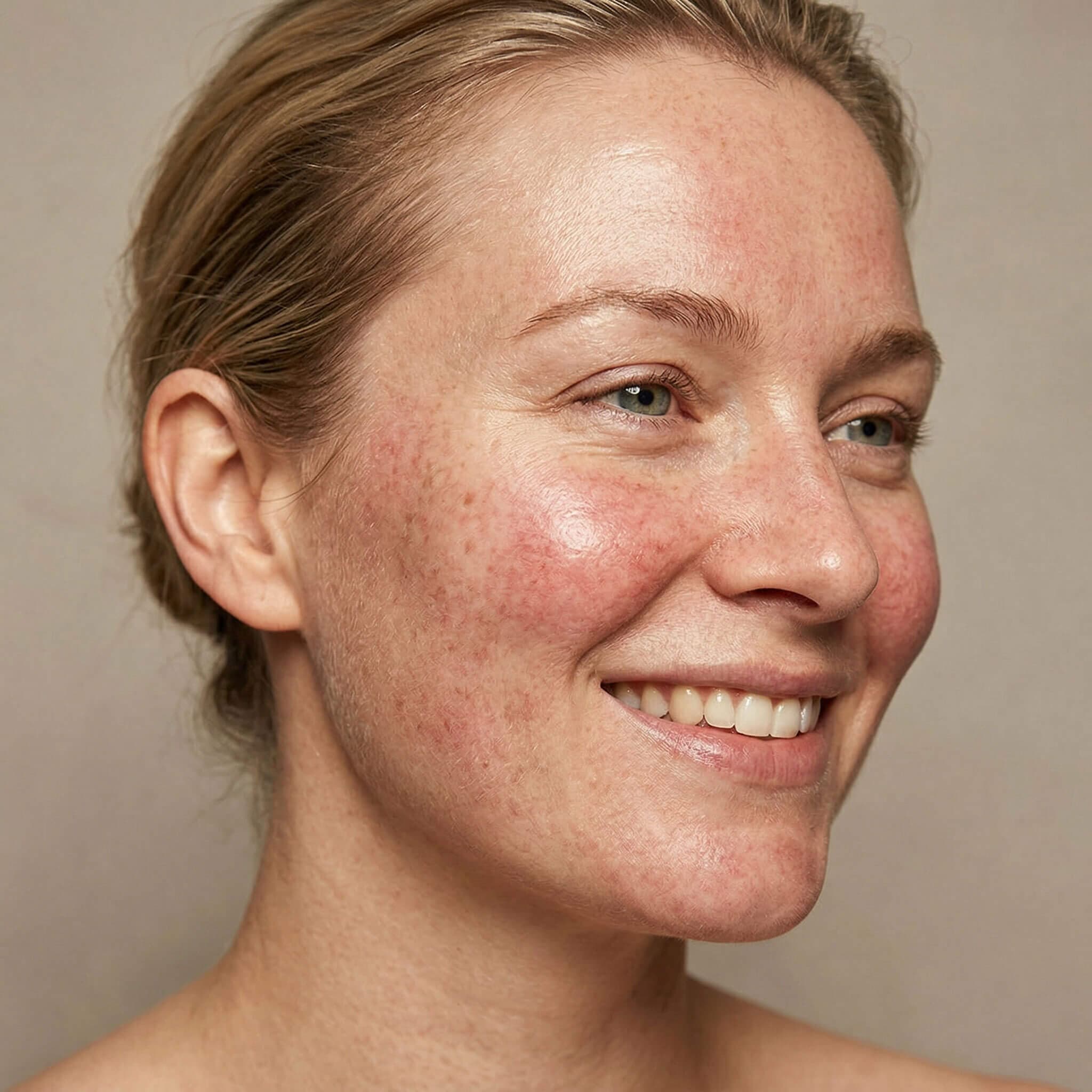
Rosacea and redness
Rosacea is a chronic inflammatory condition, not a temporary flush. Here's what causes it, what calms it, and the routine that doesn't make the reactivity worse.
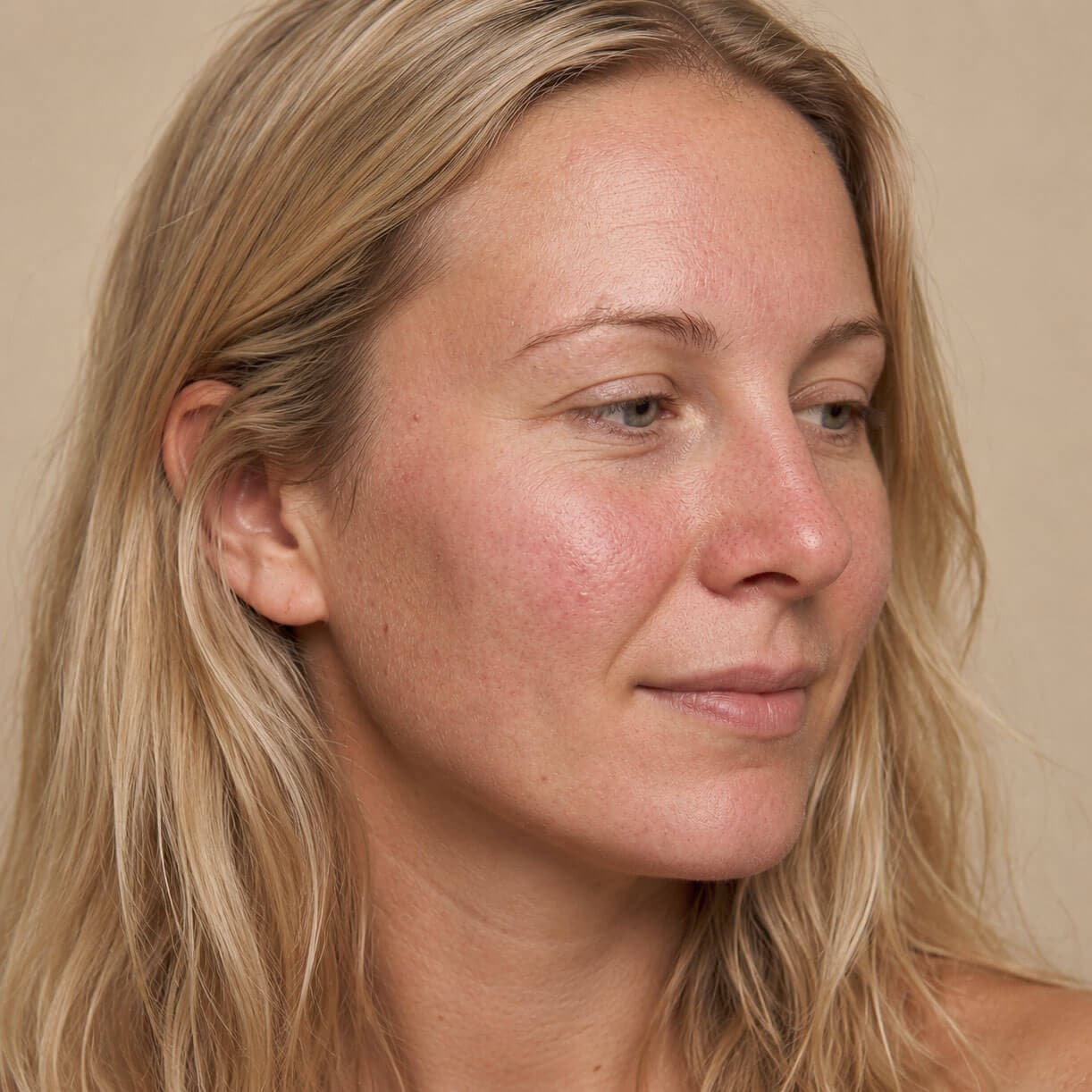
Sensitive skin
"Sensitive" is a symptom, not a diagnosis. Learn what drives reactive skin, the routine that calms it, and what to leave out.
Related ingredients
Citations
- Kim HB, Na EY, Yun SJ, Lee JB. The Effect of Capsaicin on Neuroinflammatory Mediators of Rosacea. Ann Dermatol. 2022;34(4):261-269. — PMID 35948328
- Choi JE, Di Nardo A. Skin neurogenic inflammation. Semin Immunopathol. 2018;40(3):249-259. — PMID 29713744
- Simone DA, Ochoa J. Early and late effects of prolonged topical capsaicin on cutaneous sensibility and neurogenic vasodilatation in humans. Pain. 1991;47(3):285-294. — PMID 1784499