
Stearyl Alcohol
A waxy fatty alcohol that helps creams feel richer, softer, and more stable. It is not the same as drying alcohol in harsh toners.
At a glance
What Stearyl Alcohol does for skin, and how to read the practical safety signals.
- Fatty alcohol, not drying alcohol: Stearyl alcohol is a waxy texture ingredient, not the sharp alcohol people associate with stripped skin.
- Formula support: Helps creams and lotions feel smoother, thicker, and more comfortable.
- Usually well tolerated: Cosmetic safety data supports low irritation and sensitisation potential when used as formulated.
- Type
- Fatty alcohol
- Rating
- Pregnancy
- Considered safe
- Comedogenic rating
- 2/5 (Low clogging risk)
- Vegan
- Yes
- Suited skin types
- All skin types
On this page
The short answer
Stearyl alcohol is a fatty alcohol used in skincare to make creams and lotions feel smoother, richer, and more stable.
The name scares people because it contains "alcohol." I understand that. Most of us learned to associate alcohol with stripped, tight skin. But stearyl alcohol belongs to a different family. It is waxy, softening, and used more like a texture helper than a stripping solvent.
If your skin is already itchy after skincare, do not blame this ingredient first just because the label says alcohol.
What the evidence shows
Safety data. A Cosmetic Ingredient Review safety assessment on stearyl alcohol, oleyl alcohol, and octyldodecanol concluded these ingredients were safe as used in cosmetics[1]. The report describes stearyl alcohol as a long-chain fatty alcohol and notes low irritation and sensitisation potential in the reviewed data.
That does not make every formula perfect for every face. It means stearyl alcohol itself is not the villain people often imagine when they see the word alcohol.
Moisturiser context. Moisturisers work through a mix of water-binding ingredients, emollients, occlusive support, and barrier-friendly texture. A dermatology review on moisturisers explains that many visible skin-smoothing benefits come from standard moisturising ingredients and barrier support[2].
Stearyl alcohol sits in that support lane. It helps the product feel better and spread more evenly. That matters because the routine you enjoy using is the routine you repeat.
What stearyl alcohol does in a formula
Stearyl alcohol can help with:
- a creamier texture
- a less watery lotion feel
- softer skin after application
- emulsion stability
- a more cushioned finish on dry or sensitive areas
It is especially common in moisturisers, creams, conditioners, and richer lotions.
Who should like it
Stearyl alcohol often makes sense for:
- dry skin that dislikes thin gels
- sensitive skin that wants comfort, not another strong active
- combination skin using a balanced cream
- barrier-focused routines
Very oily or clog-prone skin does not need to fear it automatically. Still, richer formulas can feel heavy for some people. Judge the whole product: how it spreads, whether it leaves you shiny by noon, and whether your pores stay calm over several weeks.
Fatty alcohol versus drying alcohol
This is the important label lesson.
Drying alcohols are small volatile ingredients that can make some formulas feel quick-drying. Fatty alcohols are waxier texture ingredients. The fatty alcohol family includes ingredients such as cetearyl alcohol, behenyl alcohol, and stearyl alcohol.
Same word. Different behaviour.
Skincare labels are rude like that.
The practical takeaway
My goal with this guide was to gather the useful science on stearyl alcohol in one place, so you can stop chasing label panic and focus on whether the finished product suits your skin.
That is also why I made the Danish Skin Care Kit: a simple routine built around documented ingredients, comfortable textures, and the experience from helping more than 100,000 people with problem skin. If even a small label question is still bothering you, send me an email at info@danishskincare.com.
Common questions
Is stearyl alcohol bad for skin?
No, not automatically. Stearyl alcohol is a fatty alcohol used for texture and emollient support. It is very different from drying alcohols in harsh formulas.
Can stearyl alcohol clog pores?
It depends on the whole formula and your skin. Stearyl alcohol is a richer texture ingredient, so very clog-prone skin should judge the finished product, not the ingredient name alone.
Is stearyl alcohol safe during pregnancy?
Yes, it is generally considered compatible with pregnancy skincare because it is a cosmetic support ingredient, not a hormonal or prescription active.
Reading a real label?
Scan a product to see how it is formulated
Upload a photo of the ingredient list and get a quick ingredient-by-ingredient read against the evidence-led database.
I recommend these products

The Kit follows the same calm formulation idea: comfortable textures, barrier respect, and no need to chase a complicated routine.
Skin conditions it actively helps with
Where the published evidence puts Stearyl Alcohol on the short list of active ingredients worth reaching for.
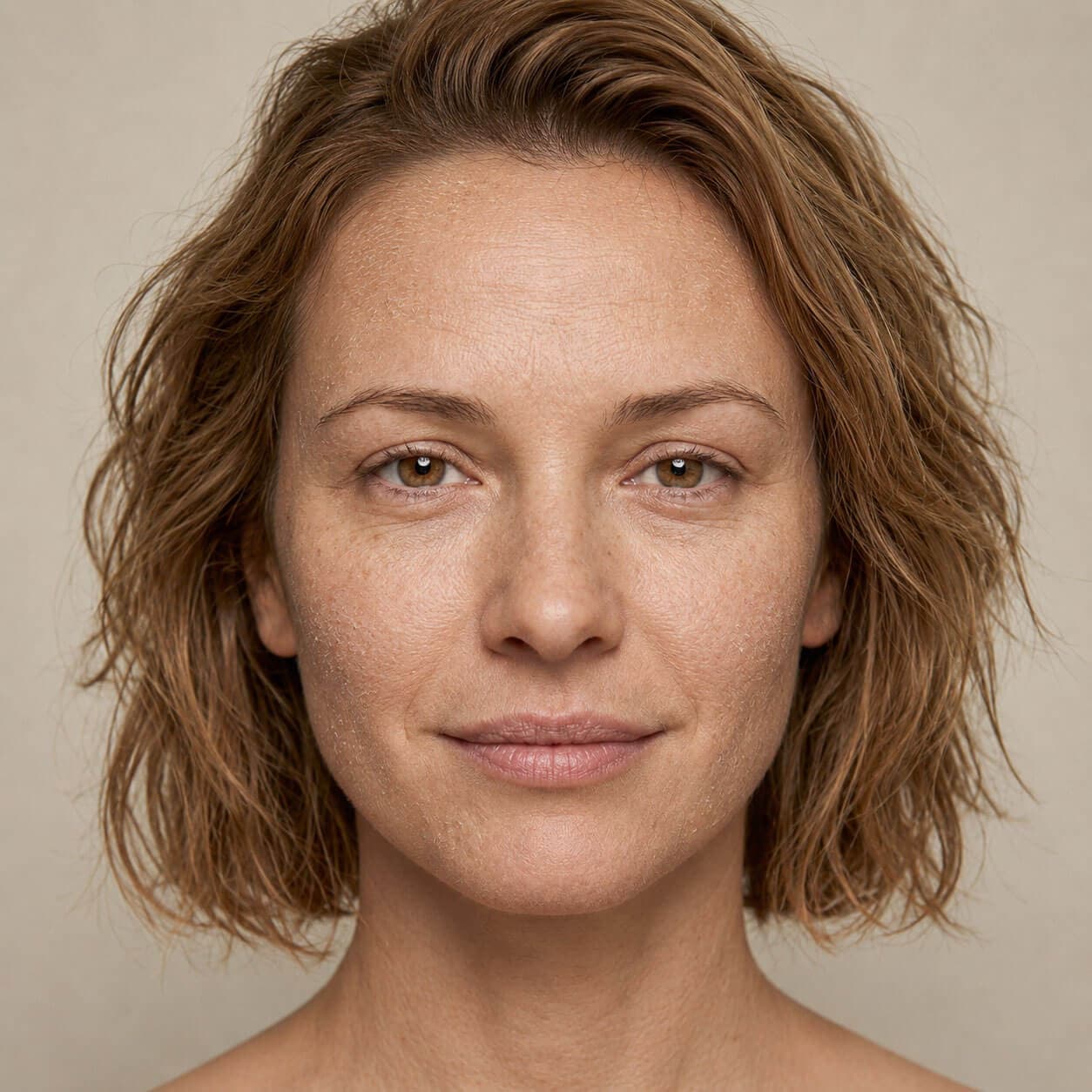
Dry skin
Dry skin is usually a barrier problem, not simply a water problem. Here's the difference between dry and dehydrated, why it matters, and the routine that actually helps.
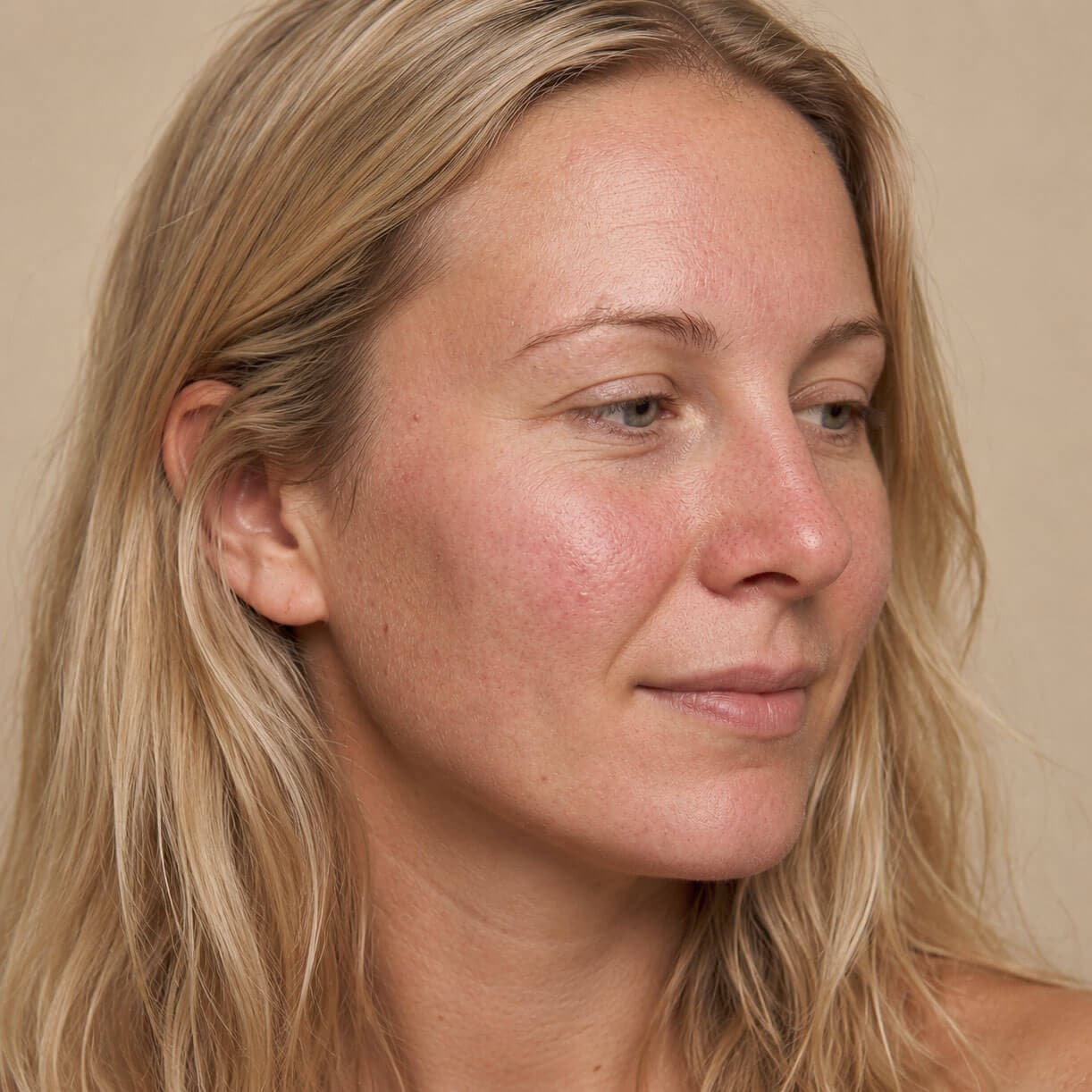
Sensitive skin
"Sensitive" is a symptom, not a diagnosis. Learn what drives reactive skin, the routine that calms it, and what to leave out.
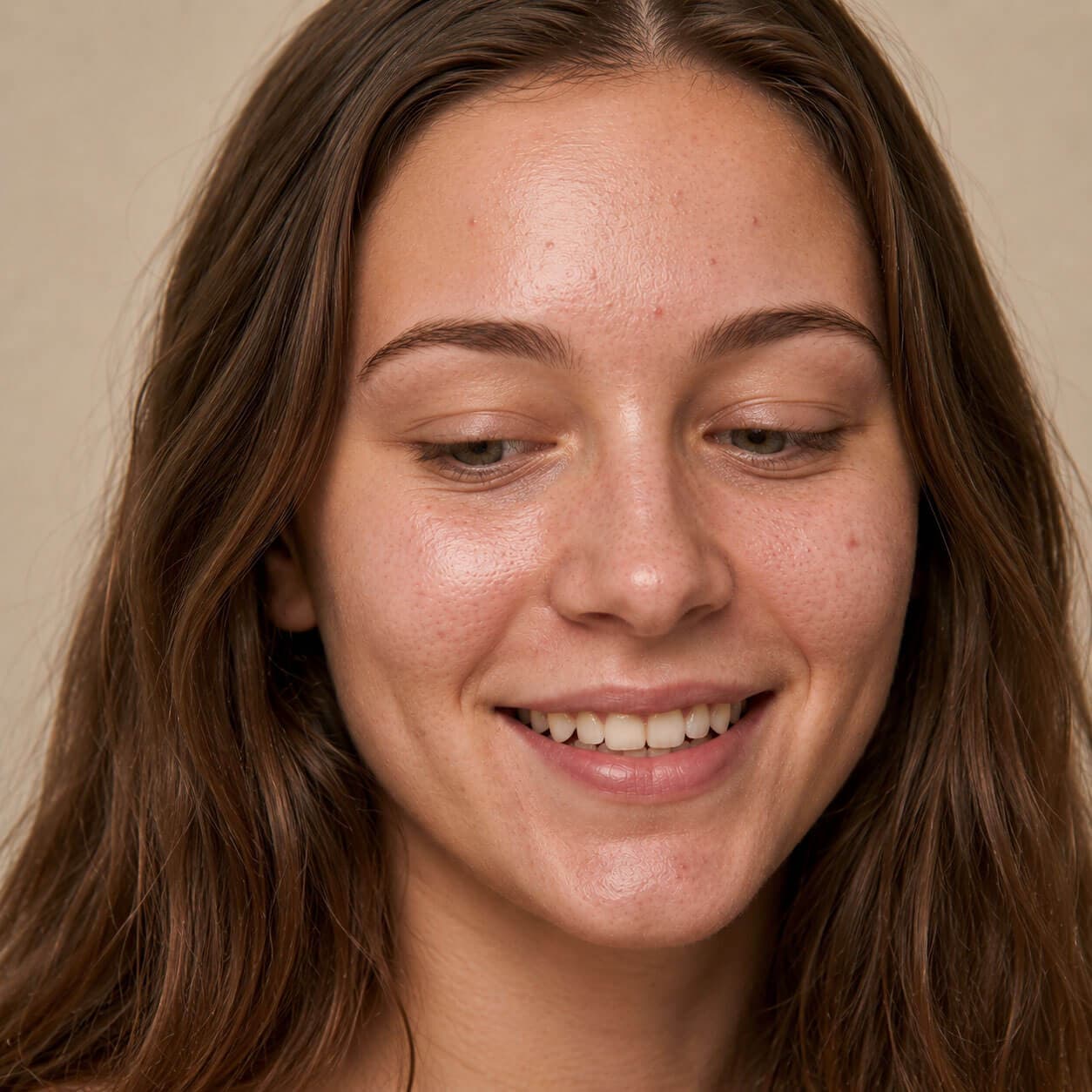
Combination skin
Oily T-zone, drier or normal cheeks, and a routine that has to address both without making either worse. Here's how to actually balance combination skin.