
Sorbitan Olivate
A non-ionic sorbitan ester used mainly to help oil and water form a stable cream. Useful formula architecture, not a stand-alone treatment active.
At a glance
What Sorbitan Olivate does for skin, and how to read the practical safety signals.
- Main job: Helps oil and water phases stay together in creams and lotions.
- Label context: Often appears beside Cetearyl Olivate in an emulsifying system.
- Skin benefit: Supports smooth, low-friction spread through the finished formula rather than treating a condition directly.
- Type
- Emulsifier
- Rating
- Pregnancy
- Considered safe
- Comedogenic rating
- 1/5 (Low clogging risk)
- Vegan
- Yes
- Suited skin types
- All skin types
On this page
The short answer
Sorbitan olivate is a non-ionic emulsifier used to help water and oil form a smooth, stable cream.
It often appears beside Cetearyl Olivate in an emulsifying blend. That combination may sound like olive oil wearing office clothes, but it is a formulated ingredient system with a different job from kitchen oil.
Sorbitan olivate does not treat rosacea, acne, pigmentation, or dry skin by itself. It helps build the product carrying the ingredients that do the more visible work.
What the evidence shows
Function and safety. The Cosmetic Ingredient Review assessed sorbitan olivate alongside 19 related sorbitan esters. The report describes most of them as surfactant-emulsifying agents and concluded that the group was safe in the cosmetic uses and concentrations reviewed[1].
That conclusion is more useful than a comedogenicity score from a random ingredient app. It still does not guarantee that every finished cream suits every face.
Formula stability. A 2026 formulation study compared deliberately stable and unstable topical products. In the face-cream models, the inclusion of Cetearyl Olivate and Sorbitan Olivate was the key difference supporting the stable formula[2]. This tested complete experimental creams, so the result belongs to that system rather than proving sorbitan olivate makes any recipe stable automatically.
How it works in a cream
An emulsion contains water and oil phases. Left alone, they separate.
Sorbitan olivate has water-friendly and oil-friendly parts that help it sit at the boundary. It often works with other emulsifiers, fatty alcohols, and thickeners to control droplet movement and product texture.
That can help a moisturiser:
- stay evenly mixed
- spread smoothly
- feel less watery or oily
- distribute ingredients consistently
- require less rubbing during application
The guide to emulsion stability explains the full formula team, including preservatives, pH support, and texture ingredients.
What “olive-derived” does and does not mean
The olivate part refers to fatty-acid material associated with olive oil. It does not make the finished product automatically natural, organic, sustainable, hypoallergenic, or better for rosacea.
Source stories can be interesting. Skin still meets the finished formula.
A review of topical vehicles explains that creams, lotions, gels, and ointments behave differently based on their complete composition and intended use[3]. Choose the texture you will use consistently and that your skin tolerates, not the ingredient with the prettiest family tree.
Sensitive and rosacea-prone skin
Sorbitan olivate may be useful inside a low-friction moisturiser for sensitive skin or rosacea-prone skin. That is a formula-level benefit, not evidence that the isolated ingredient calms inflammation.
Patch test a new product when your skin reacts easily. Stop and seek medical advice if it causes persistent swelling, hives, blistering, or worsening dermatitis. For ongoing central facial redness, bumps, burning, or eye symptoms, ask a qualified dermatologist whether the concern is rosacea rather than trying to solve it from an INCI list.
The practical takeaway
My goal with this guide was to gather the useful science on sorbitan olivate in one place, so you can stop chasing the next clever fix and focus on a simple, effective routine.
That is also why I made the Danish Skin Care Kit: the routine I created after helping more than 100,000 people with problem skin. It keeps the steps calm and repeatable because the quiet structure of a formula matters too. If even the smallest question is still nagging you, email me at info@danishskincare.com.
Common questions
What does sorbitan olivate do in skincare?
It works mainly as a non-ionic emulsifier, helping water and oil phases form a smooth, stable cream or lotion.
Is sorbitan olivate olive oil?
No. It is a processed sorbitan ester made using fatty acids associated with olive oil. Its cosmetic job and properties differ from applying olive oil to skin.
Is sorbitan olivate good for sensitive skin?
It can be part of a comfortable sensitive-skin formula, but tolerance depends on the complete product, including fragrance, preservatives, actives, texture, and personal allergy history.
Reading a real label?
Scan a product to see how it is formulated
Upload a photo of the ingredient list and get a quick ingredient-by-ingredient read against the evidence-led database.
I recommend these products

Sorbitan olivate is not a headline treatment active; it represents the quiet formulation work that makes a simple routine comfortable to repeat.
Skin conditions it actively helps with
Where the published evidence puts Sorbitan Olivate on the short list of active ingredients worth reaching for.

Dry skin
Dry skin is usually a barrier problem, not simply a water problem. Here's the difference between dry and dehydrated, why it matters, and the routine that actually helps.
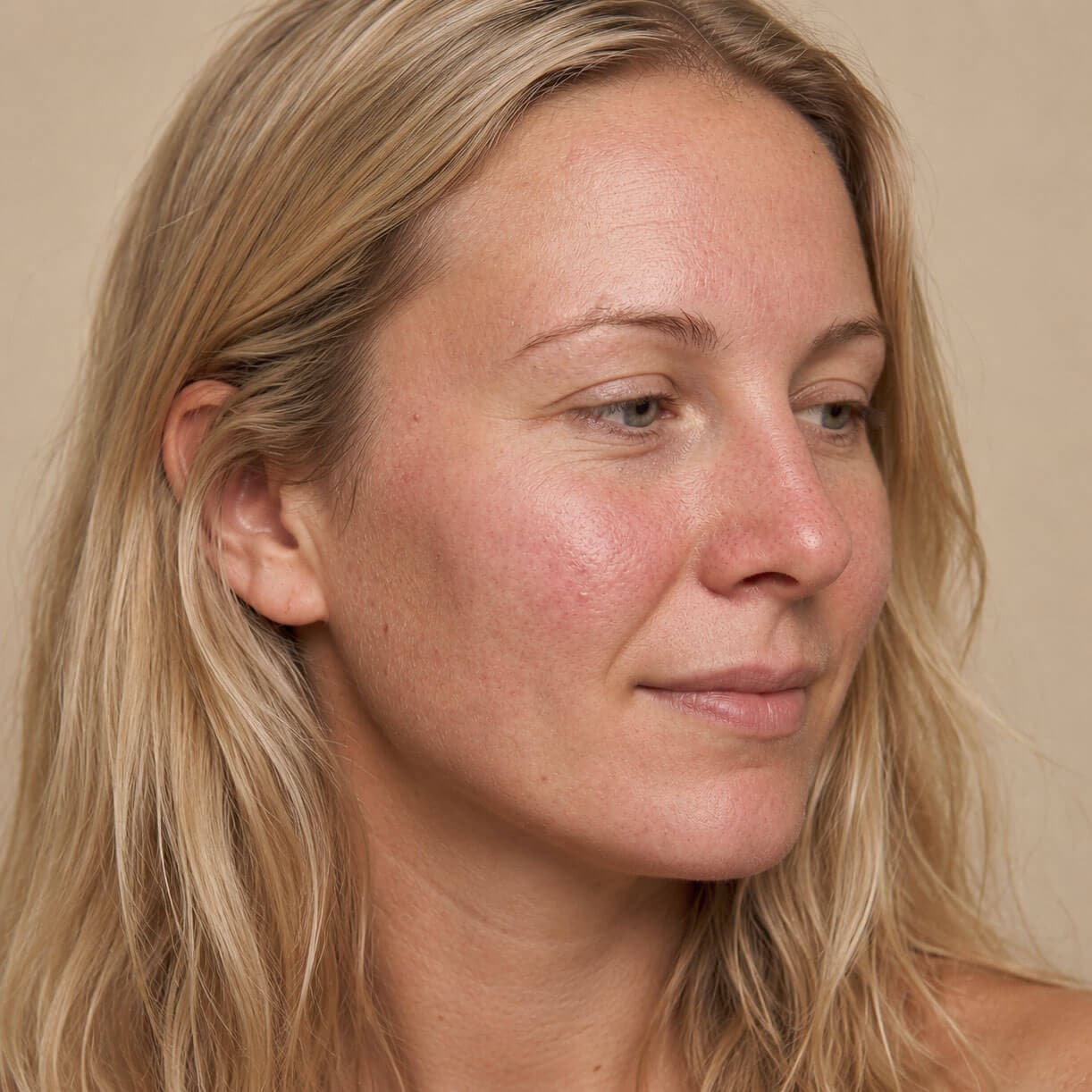
Sensitive skin
"Sensitive" is a symptom, not a diagnosis. Learn what drives reactive skin, the routine that calms it, and what to leave out.
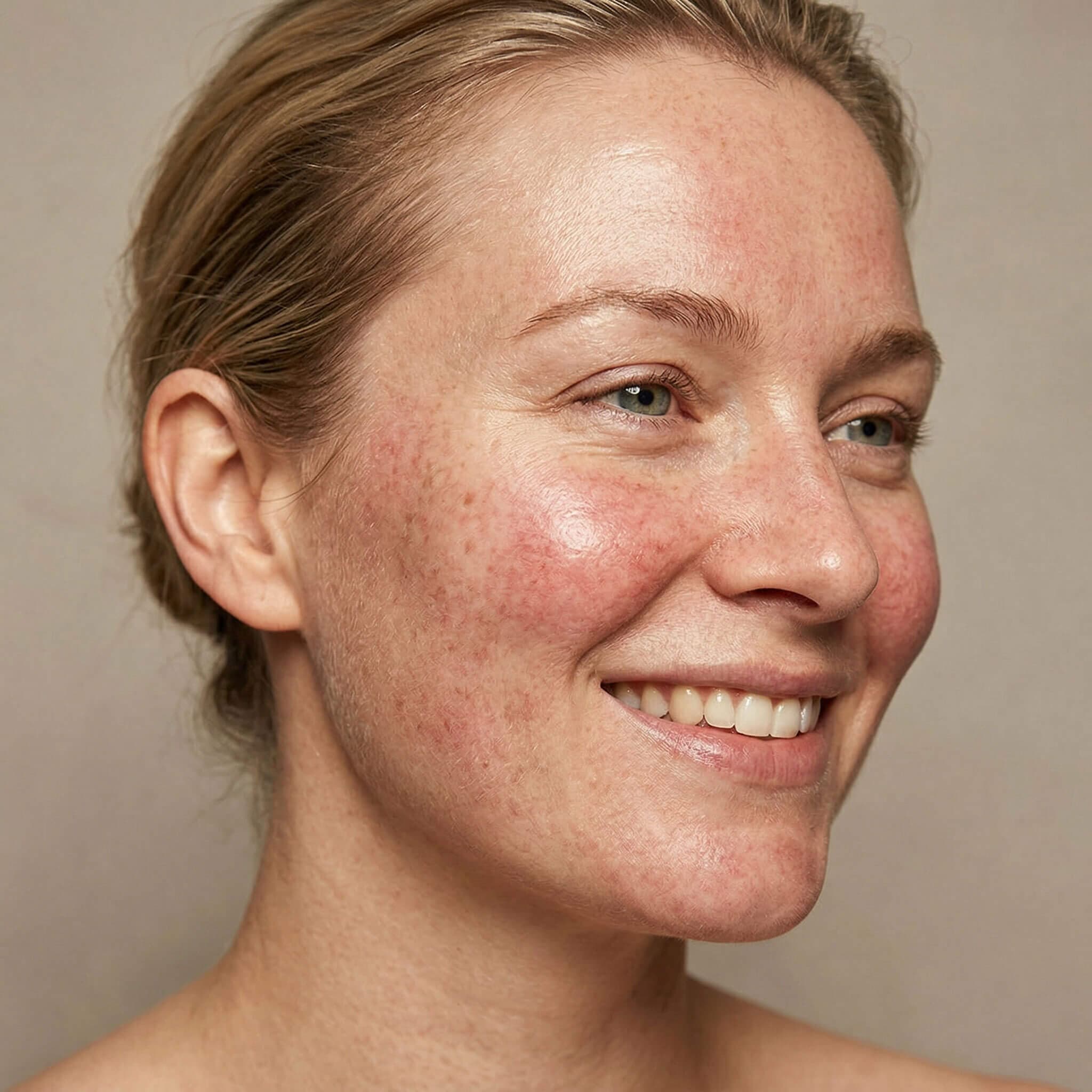
Rosacea and redness
Rosacea is a chronic inflammatory condition, not a temporary flush. Here's what causes it, what calms it, and the routine that doesn't make the reactivity worse.
Related ingredients
Citations
- Fiume MM, Heldreth B. Safety Assessment of Sorbitan Esters as Used in Cosmetics. Cosmetic Ingredient Review. 2015. — CIR final amended report
- Czerniewicz K, et al. Suitability of stability assessment methods for topical formulations enriched with apple pomace extract. PLoS One. 2026;21(6):e0351678. — PMID 42341018
- Barnes TM, et al. Vehicles for Drug Delivery and Cosmetic Moisturizers: Review and Comparison. Pharmaceutics. 2021;13(12):2012. — PMID 34959294