
Diethylamino Hydroxybenzoyl Hexyl Benzoate
A modern organic UVA filter used in European and many international sunscreens. It contributes long-wave UVA coverage but needs UVB partners for a complete broad-spectrum formula.
At a glance
What Diethylamino Hydroxybenzoyl Hexyl Benzoate does for skin, and how to read the practical safety signals.
- UVA specialist: DHHB is used to protect against UVA, the longer UV wavelengths linked with pigment darkening and photoageing.
- A formula partner: It does not provide complete broad-spectrum protection alone, so finished sunscreen combines it with UVB-covering filters.
- EU-regulated: It is listed as an authorised UV filter in the EU cosmetics regulation, with conditions that apply to the finished product.
- Type
- UV filter
- Rating
- Pregnancy
- Considered safe
- Comedogenic rating
- 0/5 (Won't clog pores)
- Vegan
- Yes
- Suited skin types
- All skin types
On this page
The short answer
Diethylamino Hydroxybenzoyl Hexyl Benzoate, often shortened to DHHB, is an organic sunscreen filter used mainly for UVA protection.
You may know it by the trade name Uvinul A Plus. On an ingredient list, the long INCI name simply tells you the formula contains that filter. It does not tell you the SPF, the UVA protection factor, or whether the finished sunscreen will suit your skin.
What DHHB does
UVA reaches into the longer end of the ultraviolet spectrum. It contributes to pigment darkening and photoageing, and it matters even on days when you do not burn.
DHHB is included in sunscreen systems to absorb UVA. It is useful because sunscreen needs coverage across UVA and UVB, not a heroic performance from one ingredient. A finished formula may pair DHHB with UVB-focused filters such as Ethylhexyl Triazone and with other UVA or broad-spectrum filters.
The tested formula matters more than the ingredient roll call. ISO sunscreen methods assess UVA protection from the product as a whole, not by giving one filter a medal[3].
What it cannot do alone
DHHB is not complete broad-spectrum protection by itself. It is a UVA specialist, so it needs other filters for meaningful UVB coverage and a finished product with a tested label claim.
That is why I would not shop by searching for one clever-looking INCI name. Look for broad-spectrum or the relevant UVA label in your market, an SPF suited to your exposure, and a texture you can apply generously.
Safety and EU status
DHHB is listed as an authorised UV filter in Annex VI of the EU Cosmetics Regulation[2]. The European Commission's 2025 scientific advice examined a specific manufacturing impurity, DnHexP, and calculated a maximum safe level of that impurity when DHHB is used up to 10% in cosmetics[1].
That is more nuance than a front label can hold. The practical message is calmer: cosmetic safety assessments apply to the permitted filter, the quality of the raw material, and the finished product. They do not turn every unfamiliar chemical name into a reason for alarm.
Is it good for sensitive or acne-prone skin?
The ingredient alone cannot predict that. DHHB is not a known acne treatment, nor is it a useful standalone measure of pore-clogging risk.
For sensitive or acne-prone skin, the whole sunscreen decides the experience:
- other filters and the base formula
- fragrance or alcohol content
- how the product behaves around the eyes
- whether it feels heavy under sweat
- how gently you can remove it at night
If a sunscreen stings or breaks you out, test a different finished formula rather than blaming one INCI name immediately. Our guide to why sunscreen can cause breakouts can help you sort irritation, texture, and removal from filter panic.
The practical takeaway
DHHB is a useful UVA filter, not a skincare personality test. It helps a finished sunscreen cover part of the UV spectrum; it does not make the product complete on its own.
I gathered the useful science here so you can stop chasing the next clever filter and return to a simple, effective routine. That is also why I created the Danish Skin Care Kit: the routine I built after helping more than 100,000 people with problem skin. If you have a question about a sunscreen label or your routine, write to me at info@danishskincare.com.
Common questions
What does Diethylamino Hydroxybenzoyl Hexyl Benzoate do in sunscreen?
It is an organic UV filter used mainly for UVA coverage. In a finished sunscreen, it works alongside other filters that cover UVB and complete the product's tested broad-spectrum protection.
Is DHHB the same as Uvinul A Plus?
Uvinul A Plus is a trade name commonly used for Diethylamino Hydroxybenzoyl Hexyl Benzoate. The INCI name on a cosmetic label is Diethylamino Hydroxybenzoyl Hexyl Benzoate.
Is DHHB safe for acne-prone skin?
DHHB does not have a useful standalone comedogenic rating. Whether sunscreen suits acne-prone skin depends on the complete formula, how it feels, and how your skin responds.
Reading a real label?
Scan a product to see how it is formulated
Upload a photo of the ingredient list and get a quick ingredient-by-ingredient read against the evidence-led database.
Skin conditions it actively helps with
Where the published evidence puts Diethylamino Hydroxybenzoyl Hexyl Benzoate on the short list of active ingredients worth reaching for.
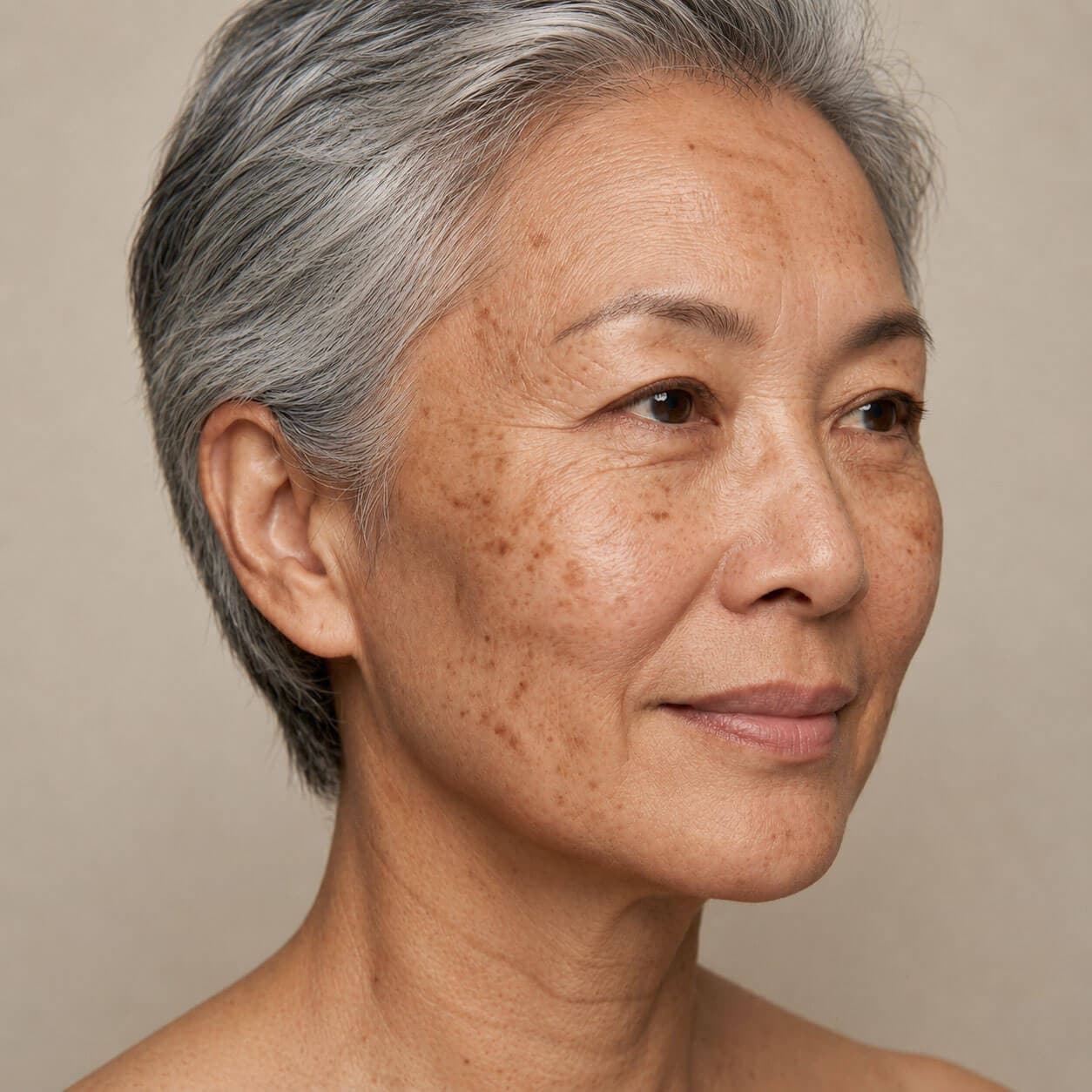
Pigmentation
Pigmentation is one of the most-asked-about, most-misunderstood skin concerns. Here's what's happening in your skin and the slow, evidence-led routine that actually fades it.

Signs of ageing
Wrinkles, sallowness, slack tone, and uneven pigment all share the same drivers. Here's the unglamorous routine that genuinely slows them.
Related ingredients
Citations
- Scientific Committee on Consumer Safety. Scientific Advice on the safety of Diethylamino Hydroxybenzoyl Hexyl Benzoate – DHHB. SCCS/1678/25, adopted 26 June 2025. — SCCS 1678/25
- Regulation (EC) No 1223/2009 of the European Parliament and of the Council on cosmetic products, Annex VI. — EU 1223/2009
- ISO 24443:2021. Cosmetics — Determination of sunscreen UVA photoprotection in vitro. — ISO 24443:2021