
Chromium Oxide Greens
A regulated green mineral pigment used in colour cosmetics. It can help neutralise the look of facial redness, but the pigment does not treat rosacea or inflammation.
At a glance
What Chromium Oxide Greens does for skin, and how to read the practical safety signals.
- Label names: Look for Chromium Oxide Greens or CI 77288 on colour-cosmetic ingredient lists.
- Visual role: Green pigment can reduce the visible contrast of red areas through colour correction.
- Regulatory status: FDA permits it in externally applied cosmetics, including the eye area, when specifications and good manufacturing practice are met.
- Type
- Colour additive
- Rating
- Pregnancy
- Considered safe
- Comedogenic rating
- 0/5 (Won't clog pores)
- Vegan
- Yes
- Suited skin types
- All skin types
On this page
The short answer
Chromium Oxide Greens is a green mineral pigment used in makeup and other externally applied colour cosmetics.
On an ingredient list, you may see Chromium Oxide Greens, CI 77288, or Pigment Green 17. In a green concealer, the pigment can reduce the visible contrast of facial redness. That is colour correction, not rosacea treatment.
What it does in a formula
Chromium oxide greens gives a formula a stable green colour.
You may find it in:
- green redness correctors
- concealers
- pressed or loose powders
- eye shadows and liners
- colour-adjusting foundations
The FDA lists Chromium Oxide Greens as permanently permitted, exempt from batch certification, for externally applied drugs and cosmetics under its stated restrictions[1]. The listing includes the eye area. The pigment still has to meet identity, purity, and good-manufacturing specifications.
This is why an INCI name matters. Cosmetic-grade pigment in a properly made product is not the same as craft pigment, historical paint, tattoo ink, or an unknown powder bought for home mixing.
Why green can soften the look of redness
Green and red sit opposite each other in basic colour correction. A thin green layer can make red areas look more neutral once skin-toned makeup is placed over it.
The AAD notes that green-tinted concealer can camouflage rosacea redness[3]. A small amount usually works better than an opaque green mask. If the face looks grey, the shade or dose is doing too much.
The practical makeup guide for rosacea explains how to use colour correction with less rubbing and fewer layers.
What the pigment cannot do
Chromium oxide greens does not:
- calm inflammation
- shrink visible vessels
- stop flushing
- treat papules or pustules
- repair the skin barrier
- make an irritating concealer gentle
It changes what the eye sees. It does not change the biology underneath.
That distinction matters because “anti-redness” on a cosmetic can describe either visual camouflage or a treatment claim. Read the context. Immediate neutralisation usually comes from pigment.
Safety and chromium confusion
The word chromium can sound alarming because several chromium compounds exist and they do not share one safety profile.
The FDA also reports testing cosmetics for chromium and other metals as potential contaminants[2]. A metal name alone is not enough to judge a colour additive; its chemical identity, purity, and manufacturing rules matter.
If you know you are sensitive to chromium or develop repeated eyelid or facial dermatitis from green cosmetics, stop using the product and speak with a dermatologist. The complete formula may contain many possible triggers, so a home guess cannot identify an allergy reliably.
How to use it calmly
Choose the finished product, not loose pigment.
Patch-test the formula, then use a very thin layer on the red areas that bother you. Press or glide gently rather than buffing. If you need heavy rubbing to blend the corrector or remove it, the texture may not suit rosacea-prone skin even when the pigment itself is permitted.
Pair visual camouflage with appropriate care for the cause of redness. Persistent central-facial redness, inflammatory bumps, eye discomfort, or changing nose texture deserves qualified assessment.
The practical takeaway
Chromium oxide greens has one clear job: make a cosmetic green. In a well-designed corrector, that can make redness less visible and help someone feel more comfortable without pretending the pigment is medicine.
My goal with this guide was to gather the useful facts in one place, so you can stop chasing colour-correction claims and focus on a simple routine that your skin tolerates.
That is also why I made the Danish Skin Care Kit: the routine I created after helping more than 100,000 people with problem skin. It does not contain green pigment; it keeps the daily steps calm and understandable. If you have a question, email me at info@danishskincare.com.
Common questions
What do Chromium Oxide Greens do in makeup?
They add a stable green colour to products such as concealers, powders, and eye makeup. In a redness corrector, green pigment can make red areas look less prominent.
Is CI 77288 the same as Chromium Oxide Greens?
Yes. CI 77288 is the Colour Index identifier commonly used on cosmetic labels for Chromium Oxide Greens.
Do Chromium Oxide Greens treat rosacea?
No. The pigment can camouflage visible redness, but it does not treat inflammation, flushing, bumps, or visible blood vessels.
Reading a real label?
Scan a product to see how it is formulated
Upload a photo of the ingredient list and get a quick ingredient-by-ingredient read against the evidence-led database.
Skin conditions it actively helps with
Where the published evidence puts Chromium Oxide Greens on the short list of active ingredients worth reaching for.
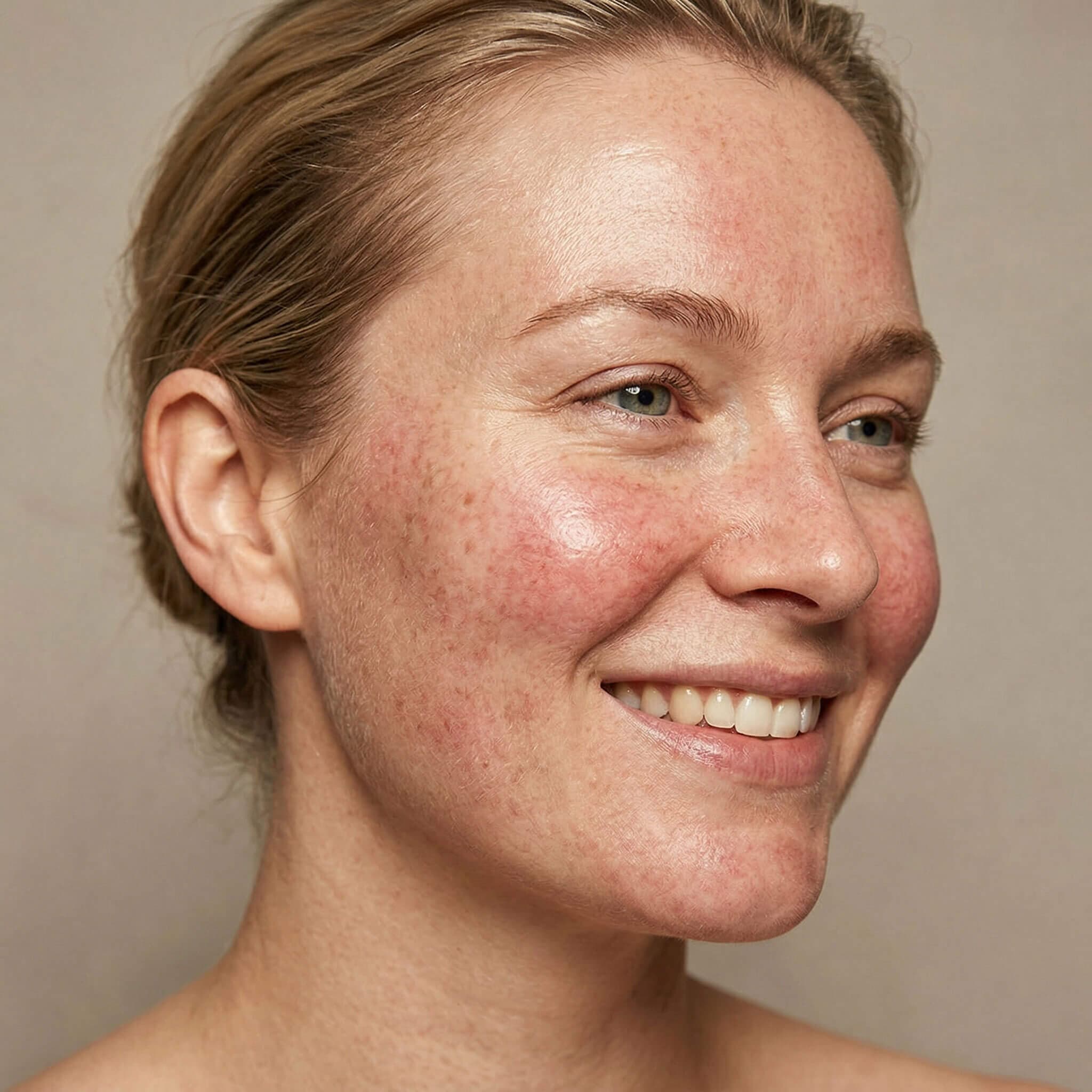
Rosacea and redness
Rosacea is a chronic inflammatory condition, not a temporary flush. Here's what causes it, what calms it, and the routine that doesn't make the reactivity worse.
Sensitive skin
"Sensitive" is a symptom, not a diagnosis. Learn what drives reactive skin, the routine that calms it, and what to leave out.
Related ingredients
Citations
- U.S. Food and Drug Administration. Regulatory Status of Color Additives: Chromium Oxide Greens. — FDA
- U.S. Food and Drug Administration. FDA's Testing of Cosmetics for Arsenic, Cadmium, Chromium, Cobalt, Lead, Mercury, and Nickel Content. — FDA
- American Academy of Dermatology Association. 7 rosacea skin care tips dermatologists recommend. — AAD