
Cetyl Alcohol
A waxy fatty alcohol that softens and thickens creams. It is not drying ethanol, though any finished formula can still be too rich or rarely cause contact allergy.
At a glance
What Cetyl Alcohol does for skin, and how to read the practical safety signals.
- Fatty alcohol, not ethanol: Cetyl alcohol is a waxy texture ingredient rather than a fast-evaporating solvent.
- Cream builder: Helps lotions feel smoother, thicker, and more stable.
- Usually well tolerated: Safety assessments support cosmetic use, with rare contact-allergy reports providing sensible nuance.
- Type
- Fatty alcohol
- Rating
- Pregnancy
- Considered safe
- Comedogenic rating
- 2/5 (Low clogging risk)
- Vegan
- Yes
- Suited skin types
- All skin types
On this page
The short answer
Cetyl alcohol is a waxy fatty alcohol used to make creams and lotions feel smoother, thicker, and more stable.
It is not the quick-drying alcohol people picture when they remember a harsh toner. The shared word is confusing; the skin feel is usually very different.
Cetyl alcohol supports the formula. It does not treat acne, rosacea, pigmentation, or wrinkles by itself.
What cetyl alcohol does in a formula
Cetyl alcohol is a long-chain alcohol, also known as 1-hexadecanol. Its waxy structure lets formulators use it for several practical jobs:
- adding body to a lotion
- helping a cream spread smoothly
- softening the skin surface
- supporting emulsion stability
- reducing a thin or watery feel
You will often find it near water, glycerin, oils, esters, and other emulsifier ingredients. It can also appear as part of cetearyl alcohol, a mixture made mainly from cetyl and stearyl alcohol.
When you read a label, remember that cetyl alcohol is one defined fatty alcohol and cetearyl alcohol is a blend. Both usually do quiet texture work.
What the evidence supports
Cosmetic safety. A Cosmetic Ingredient Review assessment covering cetyl alcohol and related fatty alcohols concluded they were safe in the cosmetic practices reviewed[1]. That supports its ordinary use as an emollient and formula aid.
Moisturiser context. A dermatology review of moisturisers explains how emollient and barrier-support ingredients improve surface smoothness and help the stratum corneum retain water[2]. Cetyl alcohol fits that supporting architecture. It is useful because the cream feels better and stays usable, not because it acts like a prescription.
Allergy nuance. A 2022 report described seven cases of allergic contact dermatitis to stearyl alcohol in topical medicines; some of the tested people also reacted to cetyl alcohol[3]. A small case series cannot tell us that cetyl alcohol is a common allergen. It tells us that rare reactions are possible and repeated itchy dermatitis should be taken seriously.
Who may like it
Cetyl alcohol often suits:
- dry skin that wants a cream rather than a watery gel
- sensitive skin looking for a comfortable moisturiser
- combination skin that tolerates a balanced lotion
- mature skin that prefers a softer, cushioned texture
- barrier-focused routines that need consistency more than another active
Very oily or clog-prone skin may prefer lighter textures. That does not make cetyl alcohol inherently comedogenic. The complete formula, application amount, and your own pore response decide whether the product works.
Cetyl alcohol versus drying alcohol
Ethanol and Alcohol Denat. are smaller volatile solvents. They may help a product feel light and dry quickly. Cetyl alcohol is larger and waxy, so it behaves more like an emollient and thickener.
The guide to alcohol in skincare explains the families in context. The useful label habit is to read the full ingredient name. “Contains alcohol” is not enough information.
When to stop using it
Stop the finished product if it causes persistent burning, a delayed spreading itch, swelling, or an eczematous rash. An already damaged barrier can sting from many formulas, while allergic contact dermatitis needs a different investigation. The irritant contact dermatitis definition explains why the patterns can overlap.
If reactions repeat, see a qualified dermatologist. Formal patch testing is more useful than eliminating every fatty alcohol from your bathroom.
The practical takeaway
My goal with this guide was to gather the useful science on cetyl alcohol in one place, so you can stop chasing label panic and focus on a simple routine your skin accepts.
That is also why I made the Danish Skin Care Kit: the straightforward routine I created after helping more than 100,000 people with problem skin. Cetyl alcohol is not part of the current Kit formulas; the connection is the same formula-first philosophy, where comfort and consistency matter more than one fashionable ingredient. If you have a question, email me at info@danishskincare.com.
Common questions
Is cetyl alcohol bad for sensitive skin?
Usually not. Cetyl alcohol is a waxy fatty alcohol used to soften and stabilise creams. Very reactive skin should still judge the finished product and stop if a persistent rash develops.
Is cetyl alcohol the same as cetearyl alcohol?
No. Cetyl alcohol is one fatty alcohol; cetearyl alcohol is a mixture made mainly from cetyl and stearyl alcohols. Their formula roles overlap.
Can cetyl alcohol clog pores?
A rich formula containing cetyl alcohol can feel heavy for some congestion-prone skin, but pore response depends on the whole formula, amount, and individual skin.
Can cetyl alcohol cause allergy?
Rarely, yes. Recurrent itchy dermatitis after a cream deserves qualified assessment and possible patch testing rather than a blanket ban on fatty alcohols.
Reading a real label?
Scan a product to see how it is formulated
Upload a photo of the ingredient list and get a quick ingredient-by-ingredient read against the evidence-led database.
Skin conditions it actively helps with
Where the published evidence puts Cetyl Alcohol on the short list of active ingredients worth reaching for.

Dry skin
Dry skin is usually a barrier problem, not simply a water problem. Here's the difference between dry and dehydrated, why it matters, and the routine that actually helps.
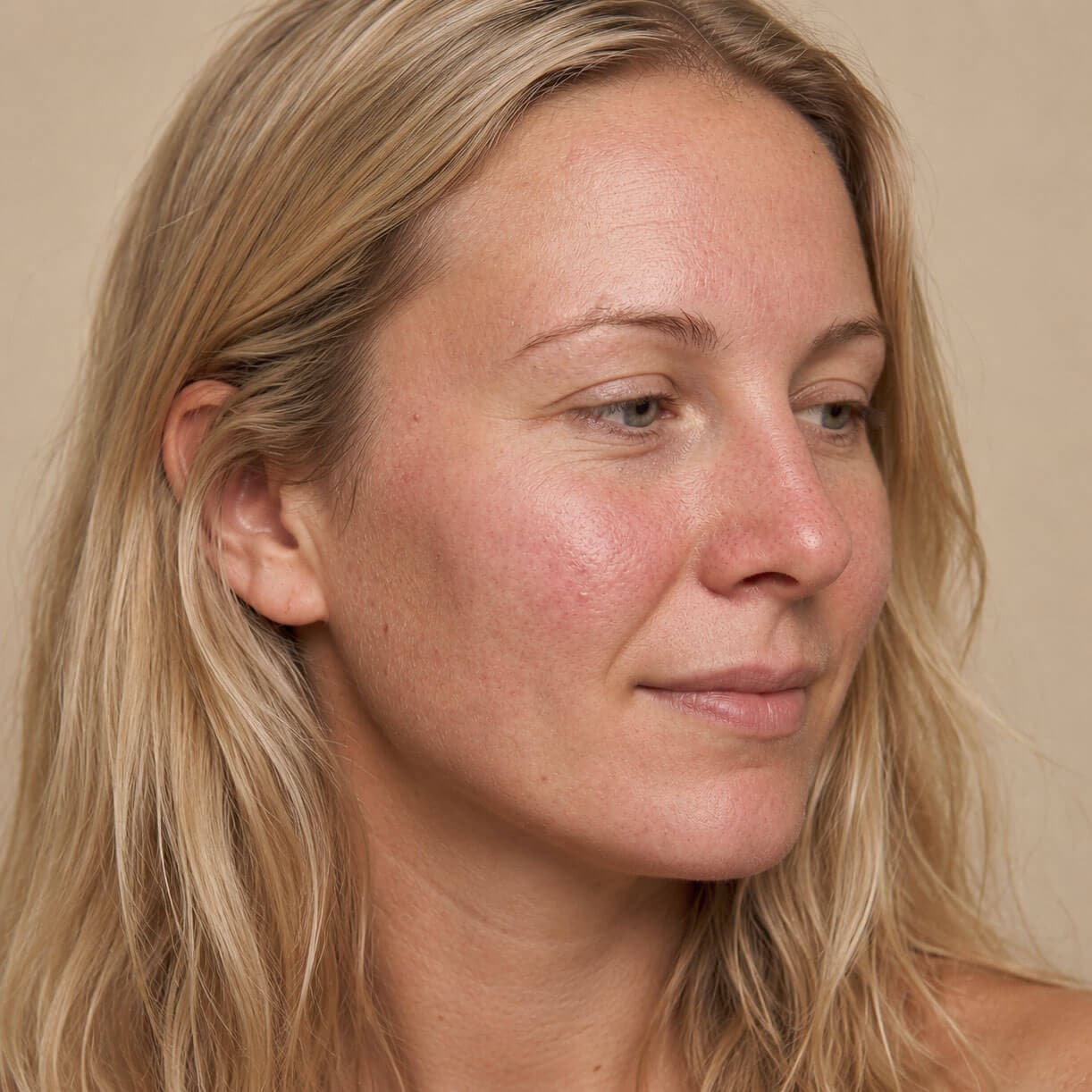
Sensitive skin
"Sensitive" is a symptom, not a diagnosis. Learn what drives reactive skin, the routine that calms it, and what to leave out.

Combination skin
Oily T-zone, drier or normal cheeks, and a routine that has to address both without making either worse. Here's how to actually balance combination skin.
Related ingredients
Citations
- Final report on the safety assessment of cetearyl alcohol, cetyl alcohol, isostearyl alcohol, myristyl alcohol, and behenyl alcohol. Int J Toxicol. 1988;7(3):359-413. — CIR safety assessment
- Nolan K, Marmur E. Moisturizers: reality and the skin benefits. Dermatol Ther. 2012;25(3):229-233. — PMID 22913439
- Nishioka K, Koizumi A, Takita Y. Seven cases of contact dermatitis due to stearyl alcohol contained in topical medications. J Dermatol. 2022;49(5):515-518. — PMID 35174533