
Capryloyl Glycerin/Sebacic Acid Copolymer
A modern film-forming emollient used to give formulas slip, softness, and a light protective feel, often as part of silicone-alternative texture systems.
At a glance
What Capryloyl Glycerin/Sebacic Acid Copolymer does for skin, and how to read the practical safety signals.
- Helps formulas feel smoother and less greasy while leaving a flexible film.
- Often paired with lightweight esters such as diheptyl succinate in silicone-alternative blends.
- Evidence is mostly formulation and regulatory-function data, so keep skin claims modest.
- Type
- Film-forming emollient
- Rating
- Pregnancy
- Considered safe
- Comedogenic rating
- 1/5 (Low clogging risk)
- Vegan
- Yes
- Suited skin types
- All skin types
On this page
The short answer
Capryloyl glycerin/sebacic acid copolymer is a film-forming emollient.
That is a long INCI name for a fairly practical job: make the formula spread better, feel smoother, and leave a light flexible film on the skin.
It is not a treatment active. It is texture engineering.
What the ingredient does
The Cosmadex ingredient entry summarises capryloyl glycerin/sebacic acid copolymer as a cosmetic ingredient with film-forming, skin-conditioning, skin-protecting, and hair-conditioning functions[1]. In face products, the interesting parts are usually the film-forming and skin-conditioning feel.
You may see it in formulas that want:
- slip without heavy oiliness
- a smoother finish
- a flexible surface feel
- less tack
- a silicone-alternative texture
Supplier technical listings for LexFeel N5 MB describe a blend containing capryloyl glycerin/sebacic acid copolymer and diheptyl succinate as a plant-based dimethicone alternative with emollient and sensory benefits[2].
That does not mean the ingredient is "better than silicone." It means formulators have different texture tools.
Silicone-alternative does not mean silicone is bad
This is where skincare marketing can get silly.
An ingredient can be used as a silicone alternative without making dimethicone a villain. Dimethicone is useful, well tolerated by many people, and excellent in barrier-friendly formulas.
Capryloyl glycerin/sebacic acid copolymer simply gives formulators another way to create slip and a soft finish.
More tools. Not more fear.
Who might like formulas that use it
This kind of ingredient is most interesting for people who dislike:
- greasy creams
- sticky sunscreen
- heavy oils
- formulas that pill easily
- moisturisers that feel like they never settle
For oily, combination, or acne-prone skin, elegant texture can be the difference between using a product daily and quietly abandoning it after four mornings.
The practical takeaway
My goal with this guide was to gather the useful science on capryloyl glycerin/sebacic acid copolymer in one place, so you can stop chasing the next clever fix and focus on a simple, effective routine.
That is also why I made the Danish Skin Care Kit: a calm routine built around documented ingredients, and one that has helped more than 100,000 people with problem skin. If even the smallest question is still nagging you, send me an email at info@danishskincare.com.
Common questions
What does capryloyl glycerin/sebacic acid copolymer do?
It is used as a film-forming and skin-conditioning ingredient that improves slip, softness, and texture.
Is it a silicone?
No. It is not a silicone, though it is often used in blends designed to give a smooth, silicone-like skin feel.
Is it an active skincare ingredient?
No. It is a formulation support ingredient. It can make a product feel better, but it is not a treatment for acne, redness, or pigmentation.
Reading a real label?
Scan a product to see how it is formulated
Upload a photo of the ingredient list and get a quick ingredient-by-ingredient read against the evidence-led database.
Found in these Danish Skin Care products

Texture ingredients like this support the bigger goal: a routine that feels good enough to use consistently.
Skin conditions it actively helps with
Where the published evidence puts Capryloyl Glycerin/Sebacic Acid Copolymer on the short list of active ingredients worth reaching for.

Oily skin
Oily skin isn't a problem to "fix". It's a feature with trade-offs. Here's what actually controls sebum, what doesn't, and the routine that works without stripping.

Combination skin
Oily T-zone, drier or normal cheeks, and a routine that has to address both without making either worse. Here's how to actually balance combination skin.
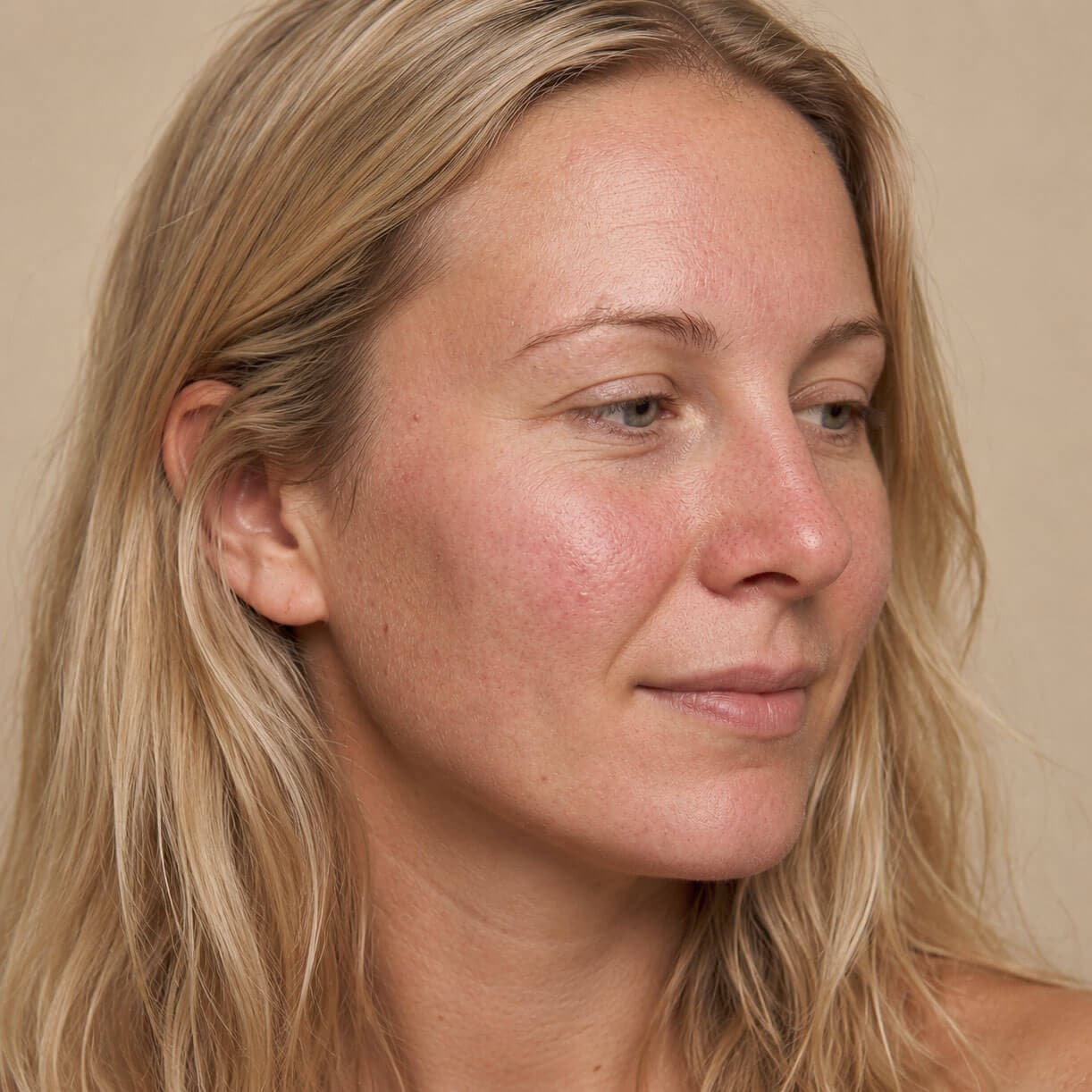
Sensitive skin
"Sensitive" is a symptom, not a diagnosis. Learn what drives reactive skin, the routine that calms it, and what to leave out.