
Ethylhexyl Salicylate
A common organic UVB sunscreen filter used to support SPF in finished formulas. Useful, but rarely the star filter by itself.
At a glance
What Ethylhexyl Salicylate does for skin, and how to read the practical safety signals.
- A sunscreen active also known as octisalate or octyl salicylate.
- Mainly helps absorb UVB, so it is usually combined with other UVA/UVB filters.
- The FDA sunscreen monograph lists octisalate as a permitted sunscreen active up to 5%.
- Type
- UV filter
- Rating
- Pregnancy
- Considered safe
- Comedogenic rating
- 0/5 (Won't clog pores)
- Vegan
- Yes
- Suited skin types
- All skin types
On this page
The short answer
Ethylhexyl Salicylate is a sunscreen filter, better known as octisalate.
It mainly helps absorb UVB rays, which are the rays most directly tied to sunburn. In real sunscreens, it usually works as part of a filter team rather than as the only active doing the whole job.
The FDA sunscreen monograph lists octisalate as a permitted sunscreen active up to 5%[1]. The current U.S. sunscreen framework is described in FDA's sunscreen order Q&A[2].
What it does in a formula
Think of ethylhexyl salicylate as support.
It can help build SPF, improve the feel of a formula, and sit alongside stronger UVA/UVB partners such as avobenzone, octocrylene, zinc oxide, or titanium dioxide.
By itself, the name does not tell you whether the sunscreen is elegant, greasy, acne-friendly, eye-stinging, or lovely. Sunscreen is a finished-formula sport.
Who may like it
Ethylhexyl salicylate can appear in sunscreens for:
- daily face SPF
- body SPF
- lighter organic-filter formulas
- hybrid formulas
- makeup or moisturisers with SPF
If your skin tolerates the sunscreen and you wear enough of it, that matters more than whether octisalate is in the INCI list.
Safety and irritation nuance
Most people do not need to fear ethylhexyl salicylate as a name.
But sunscreens can irritate or cause contact allergy in a smaller group of people. A 2024 review discusses allergic and photoallergic contact dermatitis from topical sunscreens[3]. If you repeatedly get eyelid swelling, rash, itching, or burning from sunscreens, patch testing is more useful than guessing from filter names alone.
The practical takeaway
My goal with this guide was to gather the useful science on ethylhexyl salicylate in one place, so you can stop treating every sunscreen filter like a mystery villain.
That is also why I made the Danish Skin Care Kit: a calm routine built around documented ingredients, and one that has helped more than 100,000 people with problem skin. If even the smallest question is still nagging you, send me an email at info@danishskincare.com.
Common questions
Is ethylhexyl salicylate the same as octisalate?
Yes. Octisalate and octyl salicylate are common names for ethylhexyl salicylate.
Does ethylhexyl salicylate protect against UVA?
It is mainly a UVB filter, so broad-spectrum sunscreens combine it with other filters that cover UVA.
Is ethylhexyl salicylate comedogenic?
The filter name alone does not tell you whether a sunscreen will clog your pores. The finished formula, texture, removal, and your skin matter more.
Reading a real label?
Scan a product to see how it is formulated
Upload a photo of the ingredient list and get a quick ingredient-by-ingredient read against the evidence-led database.
I recommend these products

Daily SPF context: judge sunscreen filters by the whole formula, comfort, and whether you actually wear enough.

The Kit keeps sunscreen as a daily habit instead of a separate project.
Skin conditions it actively helps with
Where the published evidence puts Ethylhexyl Salicylate on the short list of active ingredients worth reaching for.
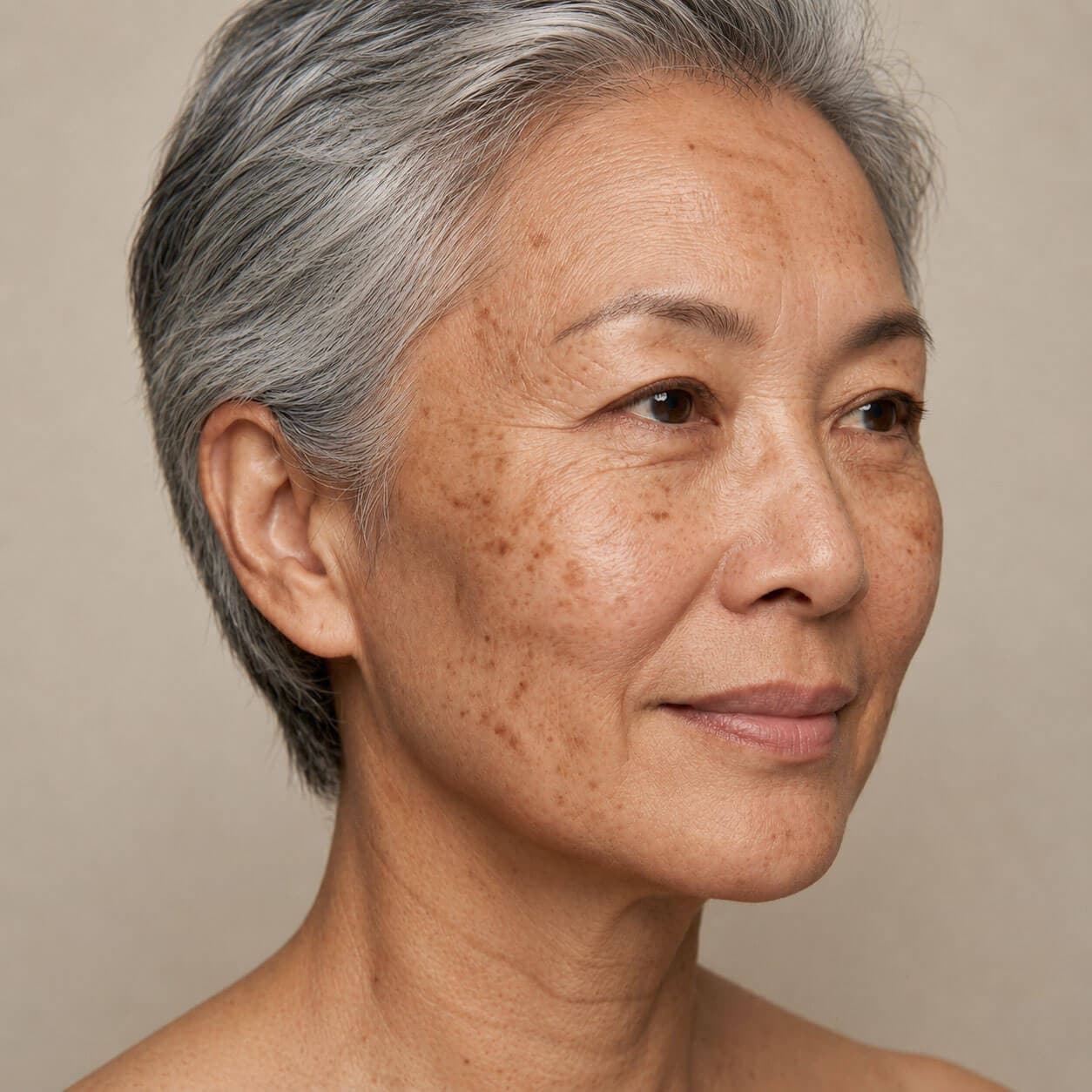
Pigmentation
Pigmentation is one of the most-asked-about, most-misunderstood skin concerns. Here's what's happening in your skin and the slow, evidence-led routine that actually fades it.

Signs of ageing
Wrinkles, sallowness, slack tone, and uneven pigment all share the same drivers. Here's the unglamorous routine that genuinely slows them.
Related ingredients
Citations
- FDA. OTC Monograph M020: Sunscreen Drug Products for Over-the-Counter Human Use. — FDA M020
- FDA. Questions and Answers: FDA posts deemed final order and proposed order for over-the-counter sunscreen. — FDA
- Heurung AR, Raju SI, Warshaw EM. Topical Sunscreens: A Narrative Review for Contact Sensitivity, Allergic Contact Dermatitis, and Photoallergic Contact Dermatitis. Dermatitis. 2024. — PMC11616936